



PARK COUNTY, Colo. — Drought conditions are being felt all across Colorado, with some parts of our state feeling it more than others. Officials in Park County, Teller County, and El Paso County met on Tuesday morning to discuss the 'major emergency water issues' in their communities.
Jason Gemmer, Park County Commissioner for District 2, has called the area home for 35 years. This is not the first time he's seen drought hit the county, but it is the most severe.
"This year, what we're seeing is no rain, water depletion from the hillsides, no snowpack to fill the aquifers or to fill the tributaries underground. So you're talking static level of people's wells up here, dropping 40-plus feet down to where they're coming to the point where little usage will completely deplete their wells," Gemmer said.
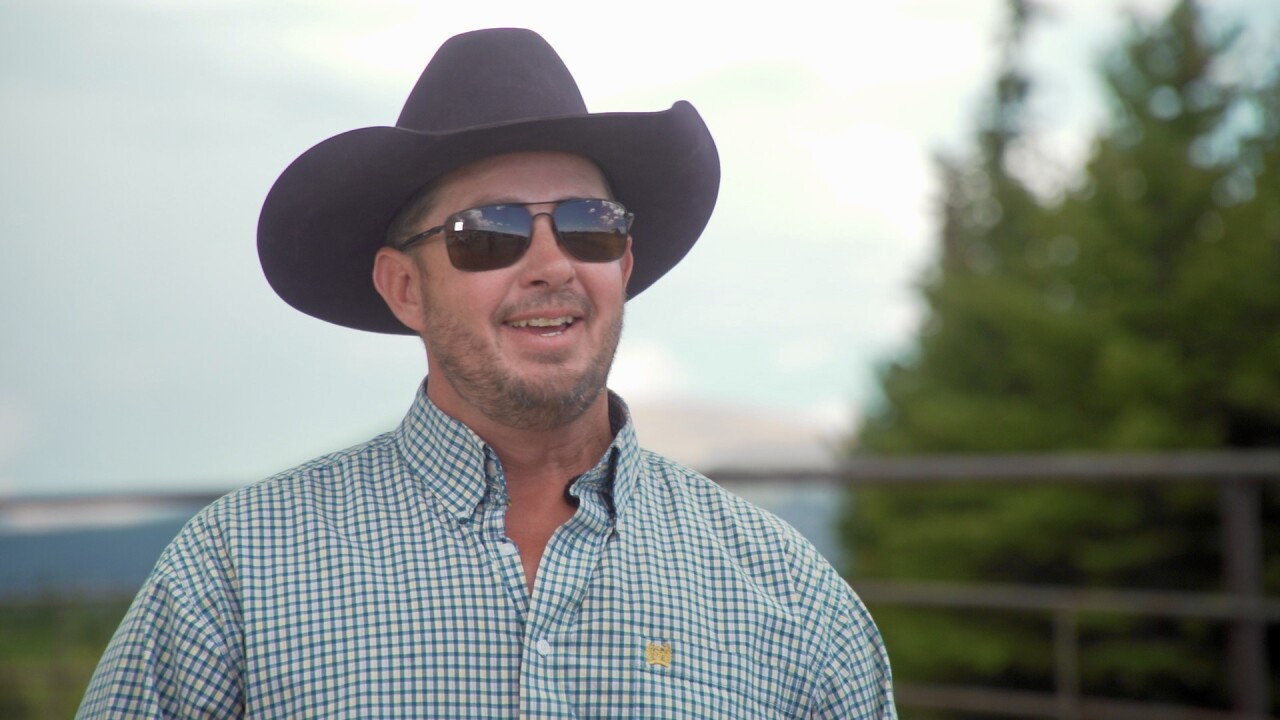
These drought conditions are creating challenges not only for those who farm and ranch on the land, but also for those who rely on wells. Gemmer explained that a vast majority of the county lives off wells, and 'people can't pump water out.'
► Watch Maggy Wolanske's report in the video below:
"We're seeing this issue of the water table and the surface water is completely depleted," said Gemmer. "We don't have waters and ditches anymore that ran forever. We're seeing it gone."
Daniele Garner grew up in Park County and is raising her girls on the same ranch where she grew up. Their home, Pettee Ranch, is 'one of the most well-known ranches in the United States for the yaks.'
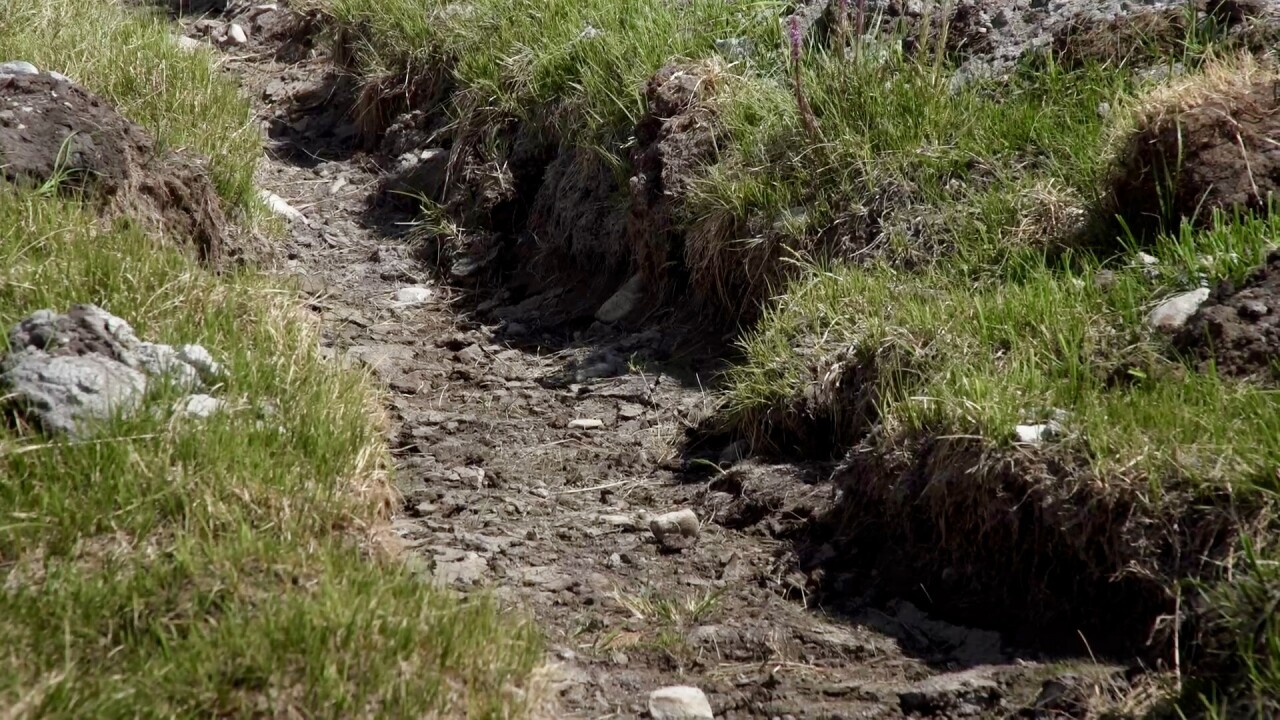
Looking out at the land, Garner explained that they usually have runoff from the mountain snowpack during June and July, but it dried up in April.
"The drought really started last year, and then as we waited for winter to see where the snow was, and then all the ski resorts were closing down, you know, months earlier than normal. We just knew that we weren't going to get the snowpack that we need for our pastures," Garner said.
With the ditches on the land drying out, Garner said they have to buy feed for this year, when they usually have enough to feed the herd through the winter.
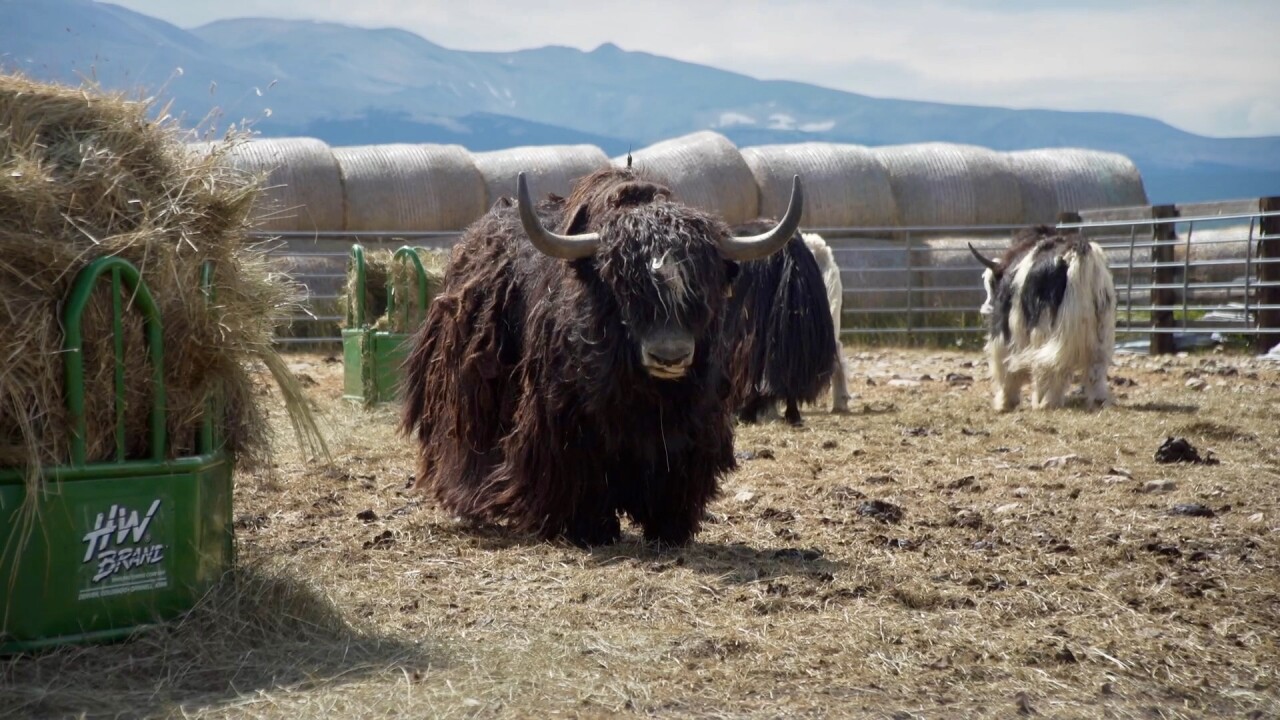
"We have to be a lot more careful with our management as far as grazing and rotating pastures. We also downsized our herd just to make sure that we didn't put so much pressure on the dry pastures," Garner said.
As far as finding an answer to these water worries, Gemmer said there will be future meetings and 'the solution was we need to figure out a solution.' Our weather team is forecasting another hot and dry week with elevated fire concerns.

