

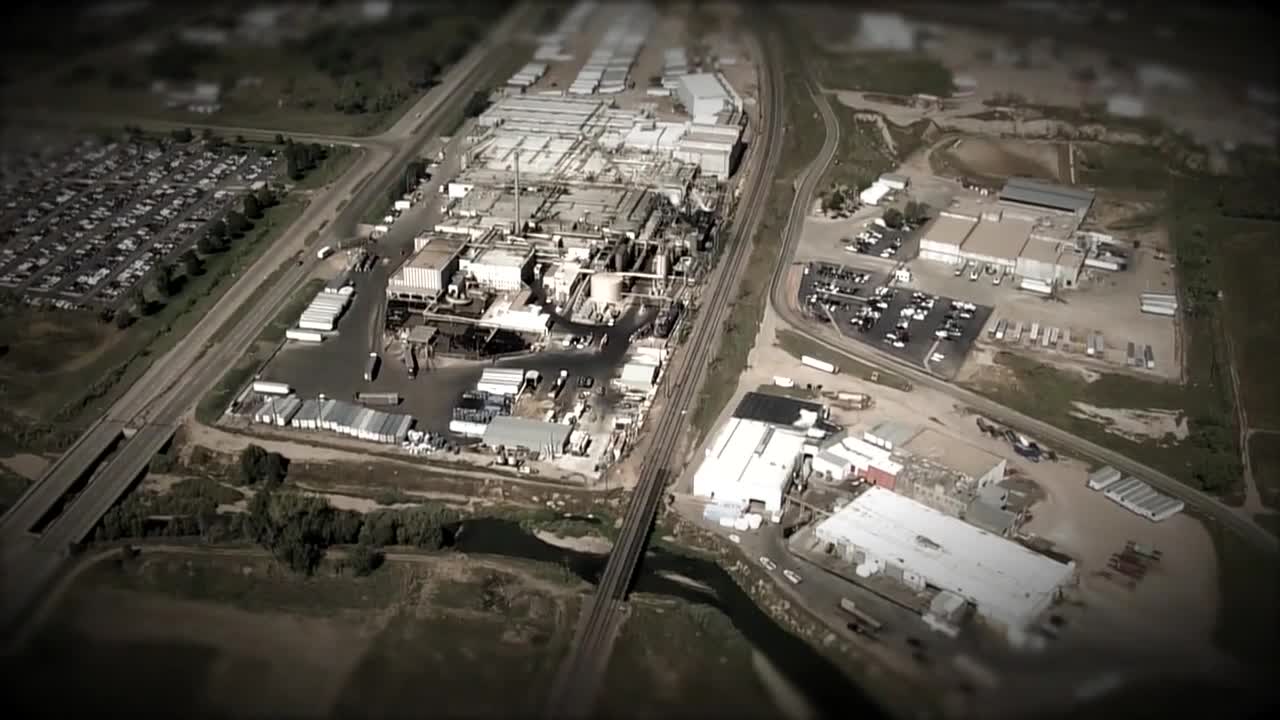


GREELEY, Colo. — The impact of the JBS meatpacking plant strike on consumer beef prices is imperceptible in the short term, but the long-term impact is more complicated.
About 3,800 workers at JBS Beef in Greeley walked off the job Monday as the union claimed the company retaliated against workers and committed unfair labor practices.
The beef production facility processes between 5,000 and 6,000 head of cattle per day.
“In the short term, the impact of the consumer level is probably pretty small, negligible, maybe not even present whatsoever, but if this continues, supply and demand will play out, and it's almost unavoidable that we wouldn't see some consumer level price change,” said CSU Professor of Animal Sciences Jennifer Martin.
Martin says the beef supply chain is complicated and under several stressors. There is high demand for beef in the United States. Prices are at record highs. Meanwhile, cattle populations are at a historic low.
Producers also face the same economic strains as consumers, like rising gas prices, high interest rates, and inflation.
“How do you detangle the impact on prices of this event from all of the other things that may also be impacting prices?” Martin said. “We are in a global economy, and it's the cumulative effect of a series of stressors that make this particular acute issue potentially really problematic.”
The Colorado Cattleman’s Association echoed the concerns about the supply chain in a statement:
"Any disruption in the cattle marketplace is ultimately felt by cattle producers and feedlots," said Erin Karney Spaur, Executive Vice President of the Colorado Cattlemen's Association. "Producers operate within a very tight marketing window for finished cattle, and when processing capacity is uncertain, it can create real challenges in the supply chain.
In the short term, we are seeing some cattle redirected to other packing plants, including facilities in neighboring states, as producers and feeders work to maintain marketing schedules. Situations like this highlight just how critical reliable processing capacity is to the entire cattle industry, from ranchers and feedlots to rural communities and consumers."
The union says workers will strike for two weeks and remain on the picket lines until JBS negotiates fairly.


