



DENVER — Newly released Census data shows Colorado’s population growth is being driven overwhelmingly by suburban counties like Douglas and Weld, while cities like Boulder and Denver are seeing stagnant growth.
The U.S Census Bureau data — which shows county-level estimated population growth from 2020 to 2024 — reveals that the fastest-growing large counties are the following:
- Elbert County: From 26,046 to 29,382 (a 12.8% increase)
- Weld County: From 328,986 to 369,745 (a 12.4% increase)
- Douglas County: From 357,990 to 393,995 (a 10% increase)
- Adams County: From 519,575 to 542,973 (a 4.5% increase)
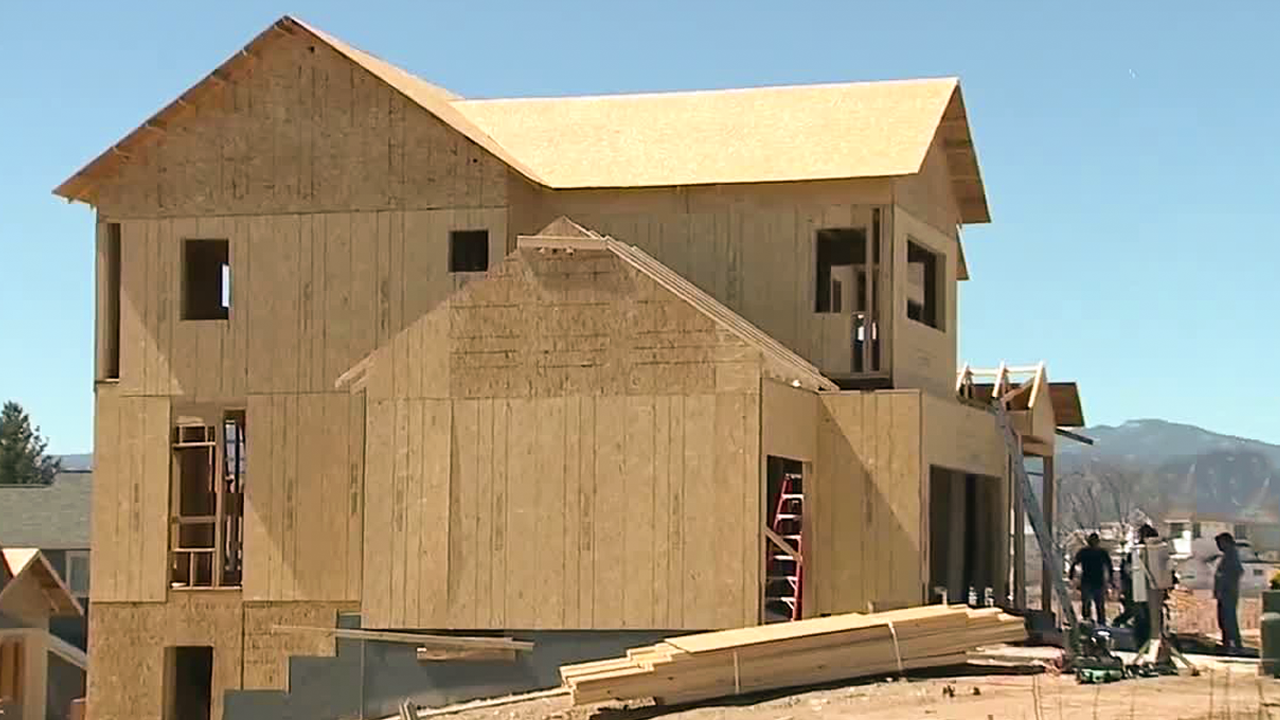
The growth of these counties reflects suburban expansion driven by new housing construction, according to Gov. Jared Polis.
“This new data shows why it's so important to break down barriers that stop new homes from being built. Colorado is the best place to live, work, and play and making sure housing is available, affordable, and accessible is the best way to bring more people to our state to experience all the best things Colorado has to offer,” Polis said in a statement Thursday.
Meanwhile, Census data also shows that 24 Colorado counties have lost population since 2020. This trend, Polis says, reflects national patterns tied to slower growth, high housing costs, shifting immigration policies, rising interest rates, and more people aging in place rather than moving.
This data comes after Colorado reached a milestone in January, exceeding an estimated population of 6 million for the first time.
The estimated population of 6,012,561 was reached on July 1, 2025.
This figure represents a nearly 1% year-over-year increase from the previously published 2024 estimates, according to the Census Bureau.


Denver7 is committed to making a difference in our community by standing up for what's right, listening, lending a helping hand and following through on promises. See that work in action, in the videos above.