

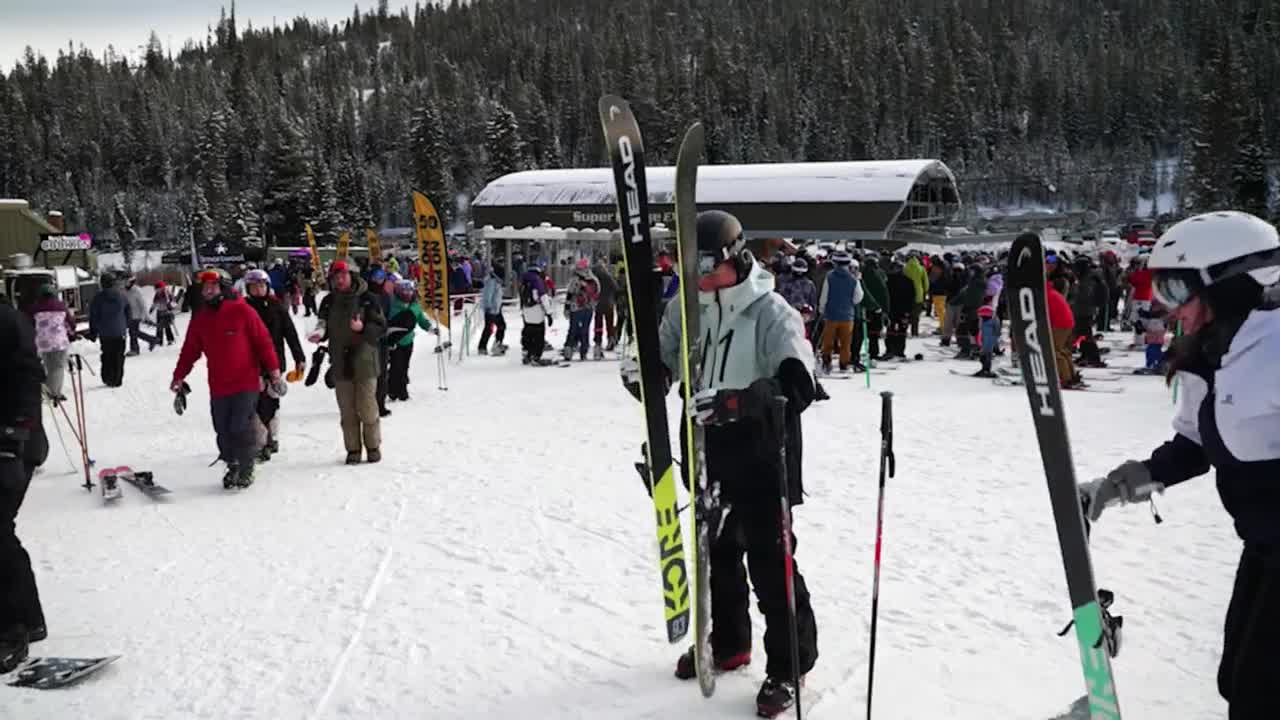


DENVER – A slow start to Colorado’s ski season is being felt far beyond the slopes, from local ski shops along the Front Range to the mountain resorts that depend on winter crowds to fuel a multi-billion-dollar industry.
At Larson’s Ski & Sport in Wheat Ridge, manager Jack Marriott said business has been slower than usual this winter as snowfall has lagged across much of the state.

“Across the board, between service, work, rental and retail, we are down,” Marriott said.
Marriott estimates sales are down about 20 to 30% compared to a typical winter. Fewer people heading to the mountains has meant fewer rentals and fewer purchases, forcing the family-owned shop to rethink how much inventory it orders for next season.
“We’re planning on buying fewer skis and snowboards and boots and things like that for next year, because fewer people are coming in to buy them,” Marriott said.
The slowdown at ski shops reflects broader challenges facing ski areas themselves. According to Lincoln Davie, an associate professor of sport management at Metropolitan State University of Denver, modern ski resorts rely heavily on revenue that comes in well before winter even begins.
“Ticket sales are incredibly important. We see that with season tickets, which are really their money maker these days, in terms of getting revenue on hand before the start of the season,” Davie said.

Season and multi-mountain passes are typically sold months in advance, helping resorts cover major early expenses such as staffing, snowmaking and infrastructure upgrades. Davie said that early revenue acts as a form of financial protection, allowing resorts to plan ahead despite unpredictable weather.
“It’s a really good risk management plan on their part,” Davie said.
Season passes also encourage skiers to return multiple times throughout the winter, increasing the chances they will spend additional money on lodging, dining, rentals and other on-mountain amenities. Davie said those secondary purchases are critical to a resort’s bottom line.
Colorado’s ski industry is a major economic driver, generating an estimated $4.8 billion annually and supporting more than 46,000 jobs statewide, according to Davie.
But low snowfall has created a challenge even for resorts that already locked in pass revenue. With limited terrain open at many ski areas this season, some skiers have stayed home, cutting into spending that normally happens once guests arrive at the mountain.
“If you start seeing bad years stack up, one after another, and that becomes more of a consistent issue, that’s where you start seeing a lot more challenges,” Davie said.
To help offset losses during weak winters, many resorts are expanding beyond skiing. Davie said ski areas are increasingly investing in summer activities such as mountain biking, hiking and festivals as part of a push to become year-round destinations.
With snowfall becoming more unpredictable, Davie said adaptation is becoming a necessity rather than an option. At the same time, skiers who bought passes but were unable to use them as much this season will be weighing whether to renew next year.
“If we think about who’s actually impacted, it’s that small business in Vail,” Davie said. “It’s the individual who’s trying to make a livelihood in the ski industry, but their season’s cut short.”
For now, businesses across Colorado’s ski economy are watching the weather closely, hoping for more snow before the season comes to an end.

