



LARIMER COUNTY, Colo. — The American bison's story could have ended in extinction — but the species endures, and in northern Colorado, one herd is proving bison can flourish once again.
A partnership between Colorado State University, Fort Collins and Larimer County is proving that collaboration can bring back America's most iconic species. In 2015, 10 bison with ancestry from Yellowstone herds arrived at Soapstone Prairie Natural Area. Over the years, the Laramie Foothills Bison Conservation Herd has grown in size and currently has three adult females and 29 calves on the land.
🦬 WATCH: Denver7's Maggy Wolanske headed north to learn about the iconic species and the effort to bring them back to Northern Colorado
CSU associate professor Jennifer Barfield has been with the original herd since the beginning. She explained the cultural significance of this herd coming from the Yellowstone lineage, as they are known to be the more free-ranging of the animals.
"The idea is that this herd will be here for the foreseeable future, which does mean that the generations will pass through this herd here and that they will continue to live here and be bison," Barfield said.
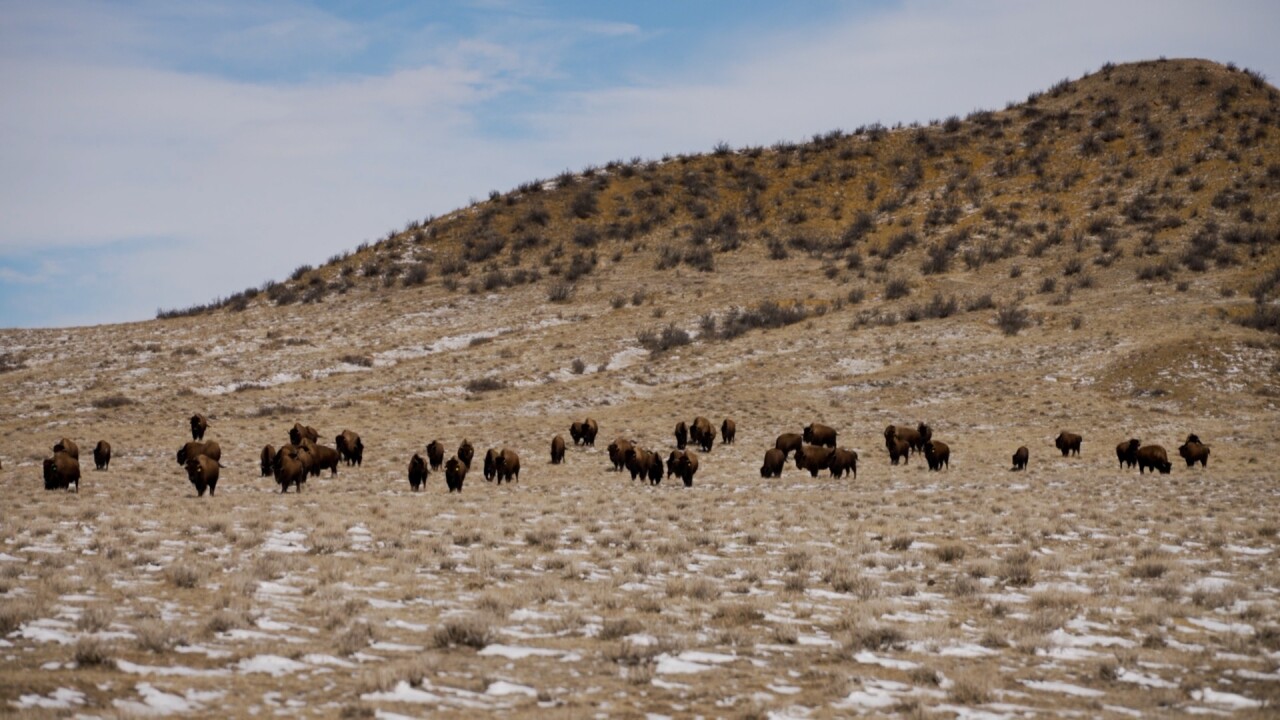
This marks the 11th year of the herd out on the prairie, with Barfield seeing the animals thrive from "beginning to end." Her reproduction research benefits directly from the herd, which provides invaluable data and learning experiences for students back in the laboratory.
"It's really special to see them out here on the prairie where they should be and should remain, and it's great to know that we have a project where the community is engaged," Barfield said. "We have the support of the city and the county to keep this herd here for the indefinite future to have bison on the landscape, to be the ecological engineers. They are to be the cultural connection that they can be for our community, and all of those things make this project really special."
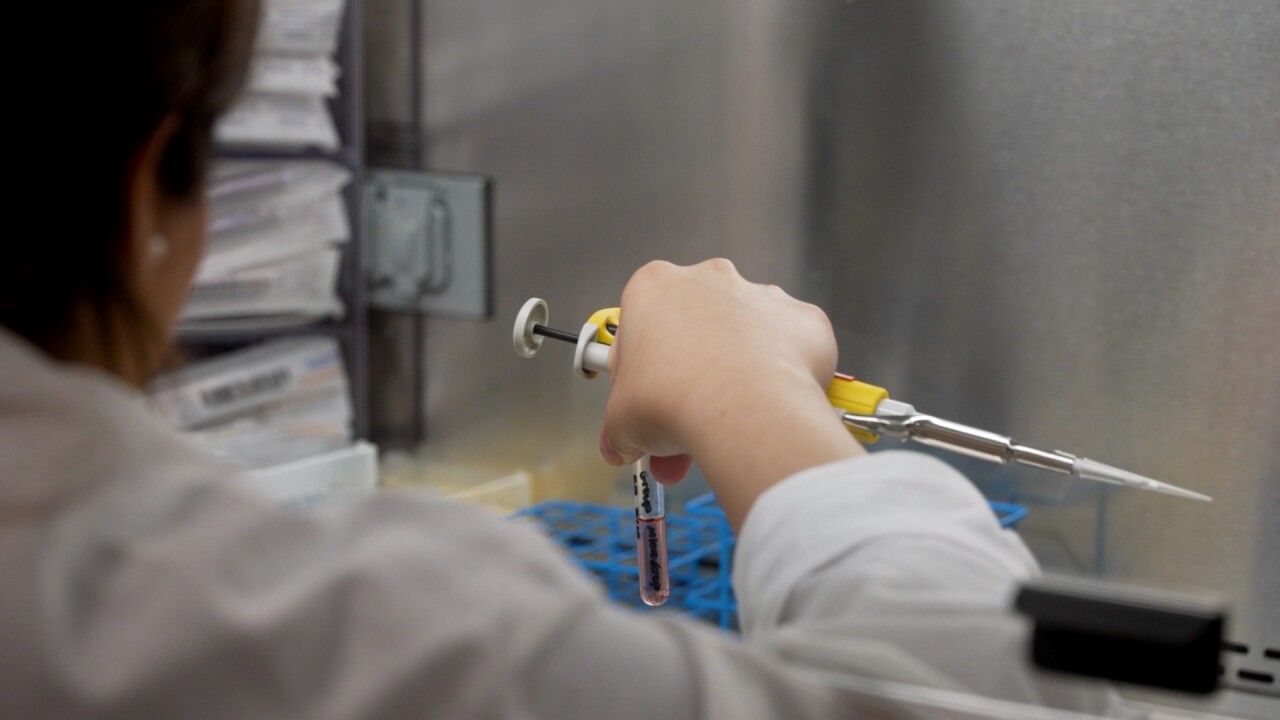
CSU offers a one-year master's program in assisted reproductive technology, with Barfield serving as the director. The program teaches students how to become an embryologist while studying techniques and technology used in reproductive clinics for humans.
"There is no other program really like it in the U.S. that gives you as much hands-on experience in the lab, making embryos, freezing them, and thawing them out and doing all of those things, that you can find in reproductive clinics and labs across the world," said Barfield. "So it's a really special program, and yeah, it's housed right here at CSU."
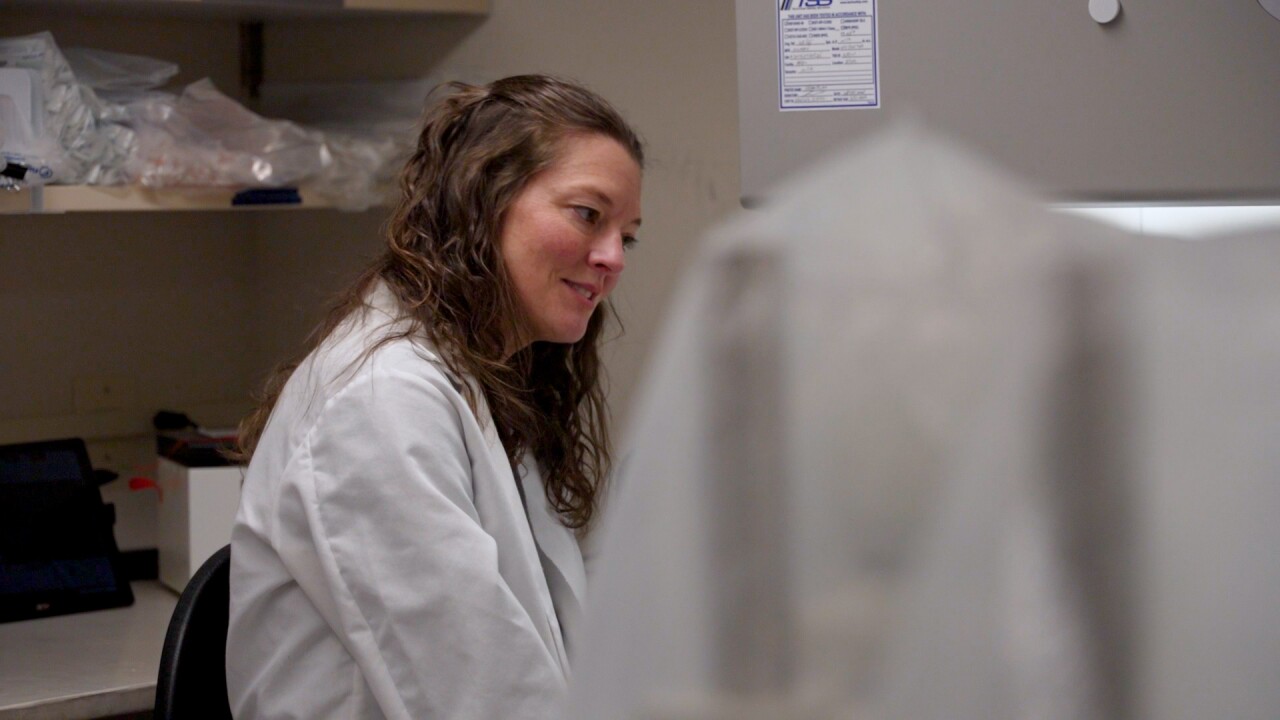
A poster of a bison and calf is visible outside one of the labs. Barfield explained they have used reproductive technologies to support the bison herd and ensure the species exists for a long time. Specifically, they have embryos that are frozen, which can be used "decades or hundreds of years from now."
"We have a few animals in the herd that have been produced by these technologies," said Barfield. "Now, all of the bison out at Soapstone in the Laramie Foothills herd, they are all breeding naturally, and when we do the reproductive technologies, we do them here on the campus of the university and then introduce those animals back into the herd."
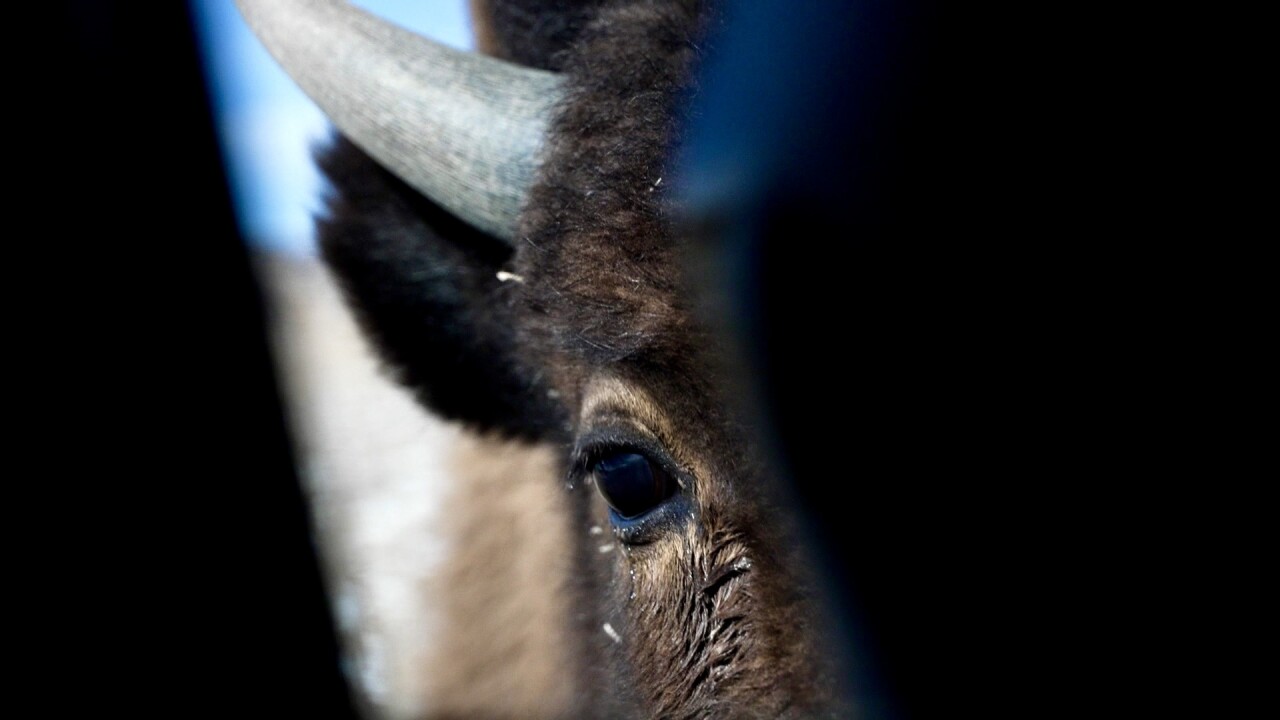
For students in the program, like Jacob Cook, he was excited to have the opportunity to work with bison embryos and learn from Barfield.
"Anybody who comes here truly cares and loves the bison," Cook said.
"It's inspirational to see what we can do here and how it truly impacts other national parks and herds and other science programs that could start their own program one day," he added.
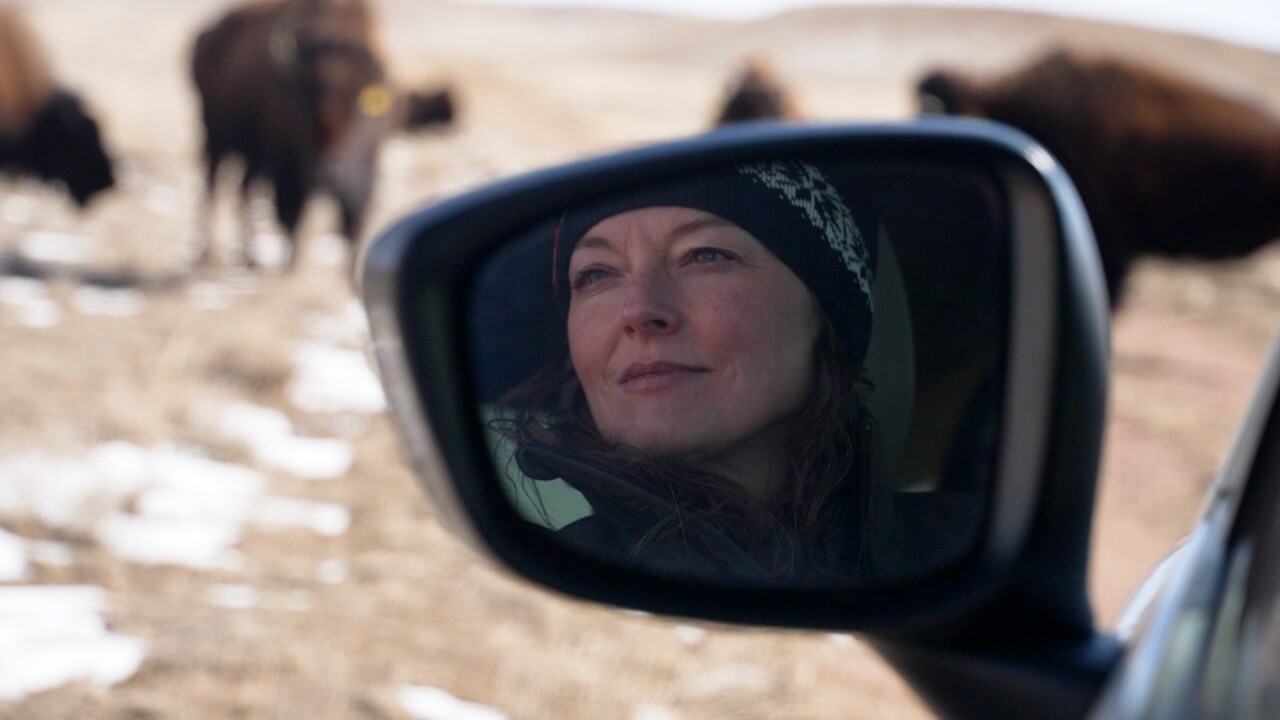
The program has transferred more than 200 bison to Native American Tribes and to conservation programs like the Bronx Zoo and the Crane Trust. Being out in the prairie surrounded by this herd, Barfield sees her life's work in action, a thriving conservation story that she helped create.
"I have known these animals, many of them, for more than 10 years now, and so just to see them living our lives out here is probably the best part," Barfield said.
