



DENVER — Driving is a source of freedom for many Americans, but as we age, changes in health and abilities can make it harder — and sometimes dangerous — to stay behind the wheel.
This week marks Older Driver Safety Awareness Week, a nationwide push to discuss safe driving for older adults before a crisis forces difficult decisions.
“I think it’s important to think about retiring from driving,” said Hilary Simmons, executive director of A Little Help, a nonprofit that offers transportation assistance to older adults. “It’s something you make a plan for proactively.”
Simmons said starting the conversation early — before an accident happens — can make the transition smoother and protect independence.
“When you do give up the keys it doesn’t have to be the end of your social life, the end of access to the community, the end of independence,” Simmons said. “Having a proactive plan and not getting to a point of desperation is going to make the transition a lot easier.”
She suggests reframing the issue as “retiring” from driving, rather than focusing on loss.
“There’s not a sense of defeat to say you need to give up the keys. It can be, you know, the next phase of life,” she said.
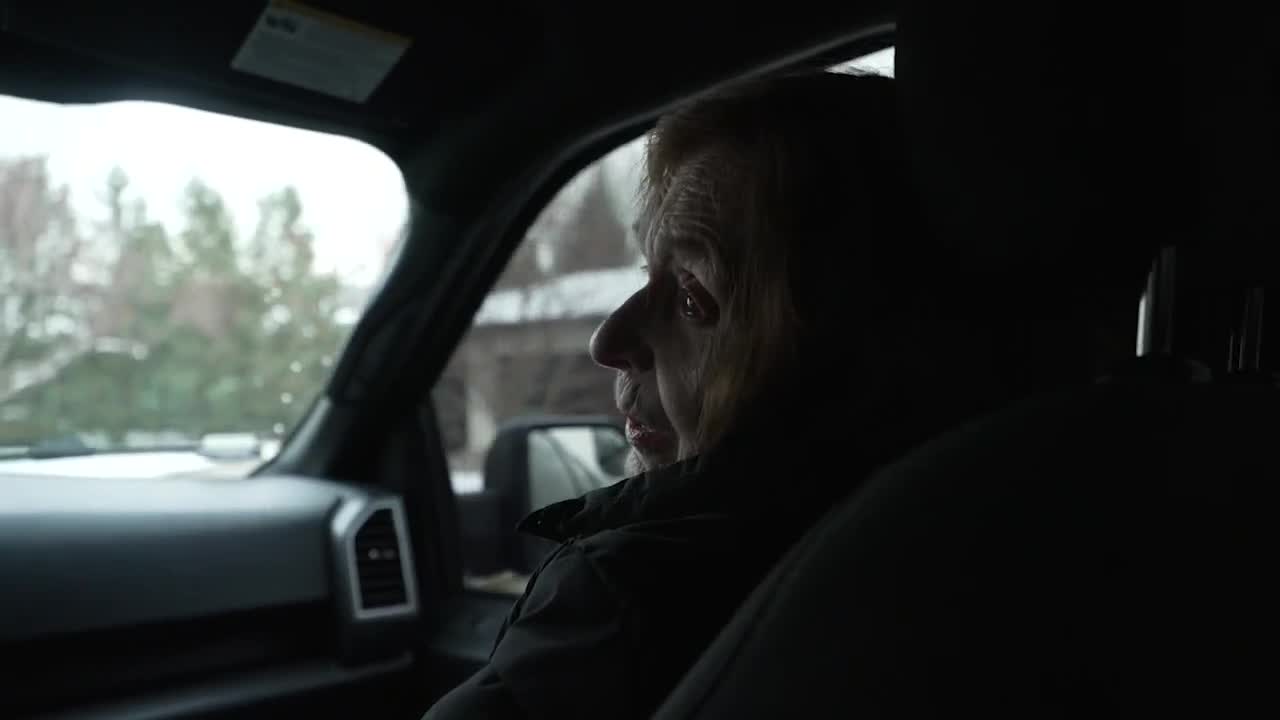
For 91-year-old Susie Schultz, the decision was made for her. She stopped driving more than a year ago when her vision deteriorated.
“I was angry because I couldn’t see, and I’m still angry,” Schultz said. “I don’t know why the Lord doesn’t listen to me,” she said, through laughter.
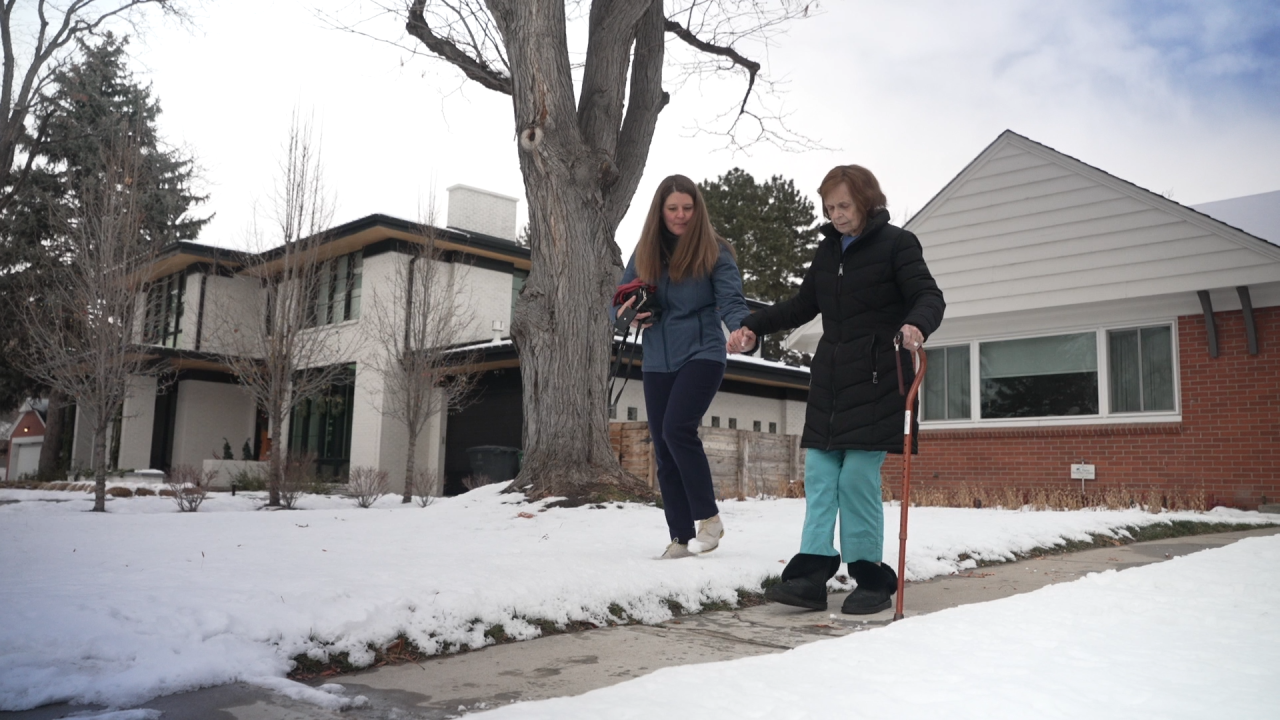
Schultz once volunteered to drive others to the grocery store and doctor appointments. Now she’s on the receiving end of those rides from friends, family and volunteers at A Little Help.
“I’ve gotten over it. And people are very gracious and take me,” she said.
While traffic deaths among older adults nationwide have decreased, they still account for nearly 20% of all fatalities, according to the National Highway Traffic Safety Administration.
According to NHTSA, crashes are often more physically harmful for older adults than younger drivers because reaction times decrease with age, and they may be more prone to injury in a collision. Still, safety decisions should never be based solely on age. Changes in vision, physical fitness and reflexes can raise concerns, and accurately assessing these changes can help drivers adjust their habits or explore alternative transportation.
NHTSA advises considering how medical conditions impact driving, planning trips during lighter traffic and avoiding nighttime driving when possible. For those who do drive in the dark, experts say to use headlights, slow down and stay alert for other road users. Older drivers and their families are encouraged to work together to maintain safe mobility — even beyond the driver’s seat.
In Colorado, drivers 70 and older have twice the fatality rate of any other age group, said Trooper Sherri Mendez with Colorado State Patrol.
“We basically want older drivers to know, to be safe, to be aware and know when it is time to stop driving,” Mendez said. “Self-evaluate. Make sure you’re keeping up with your health and safe enough to drive. There’s other resources out there.”
From 2021 to 2024, the top causes of crashes involving older drivers in Colorado were lane violations, distracted driving and failure to yield the right of way, Mendez said.
Advocates say avoiding those dangers — and maintaining quality of life — often comes down to starting the conversation early and building a network of support.
“Nobody wants to get to a crisis point and have to take away the keys,” Simmons said. “It doesn’t have to be that hard,” said Simmons.
For more information about older drivers, visit NHTSA.gov/OlderDrivers.


Denver7 is committed to making a difference in our community by standing up for what's right, listening, lending a helping hand and following through on promises. See that work in action, in the videos above.
