

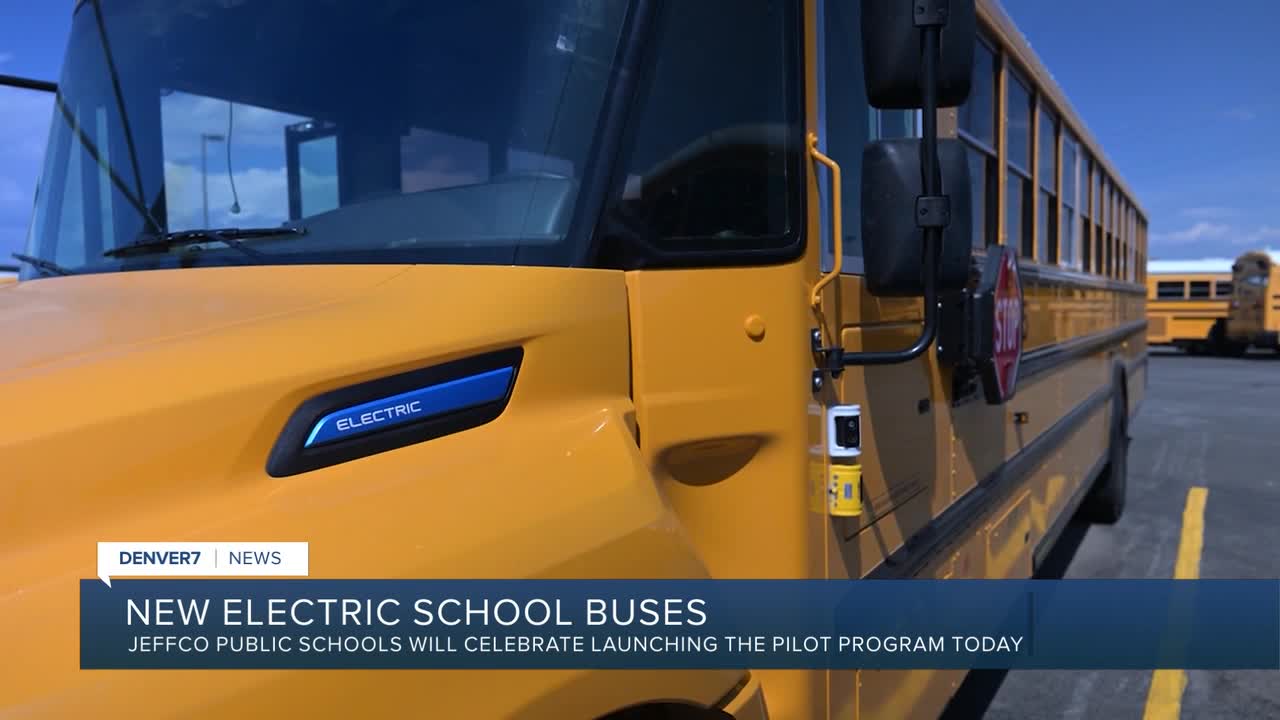


On Wednesday, Jeffco Public Schools will be celebrating the launch of its first ever electric buses along with six bi-directional chargers, which allows the energy to flow both ways.
See the full story in the video below
“Instead of acting only as energy consumers, these buses function as mobile, large-capacity battery storage systems. When sitting parked at the terminal during idle midday hours or summer breaks, they can feed stored electricity back into the local power grid or power nearby district facility buildings during peak energy demand periods,” the district said.
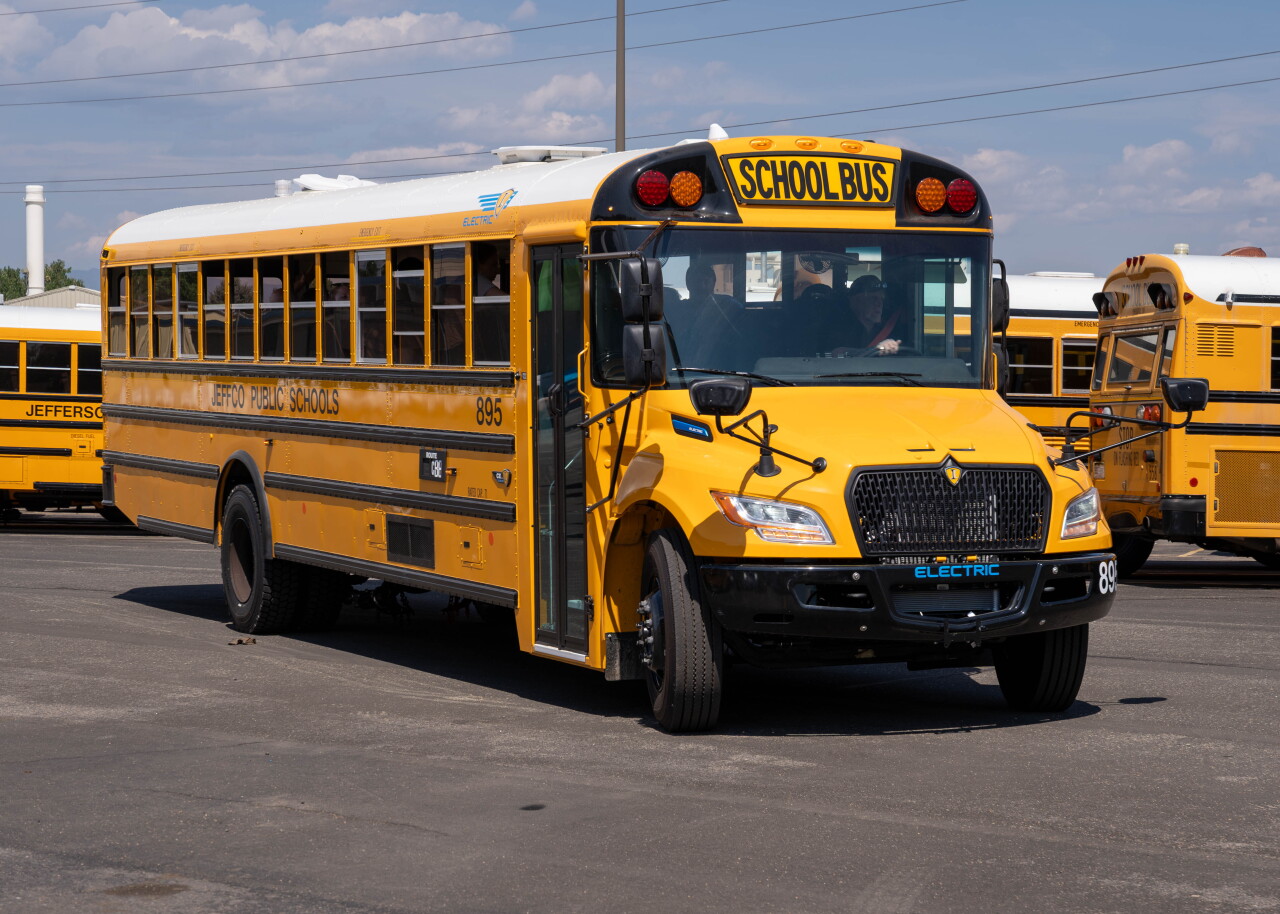
These six buses have been carrying students since the first day of school in August.
“They're very comfortable, not loud, and they're smooth. The smoothest bus I’ve driven,” said Jeffco Public Schools bus driver Albert Gallegos.
Denver7 spoke to a long-time bus driver with the district about how driving the electric buses have been so far.
“I’ve already got the reaction from my kids that I take to school that the bus is really quiet. Outside, I hear people yell, "is that bus making that noise? Because it sounds like a little jet taking off,” Gallegos said.
The district previously relied only on propane and hybrid buses and said its significantly cheaper per mile to operate an electric bus.
Over the 12-to-15-year life cycle of a bus, the cumulative fuel and routine maintenance savings are expected to reach around $560,000 between the six buses.
“Electricity prices are lower and far less volatile than liquid fuels like diesel or propane. Furthermore, electric drivetrains require substantially less maintenance due to having drastically fewer moving parts—eliminating routine engine oil changes, transmission fluids, and complex exhaust treatment systems, while regenerative braking significantly extends the life of brake pads,” the district said.
The electric buses have a range of about 100 to 150 miles per charge.
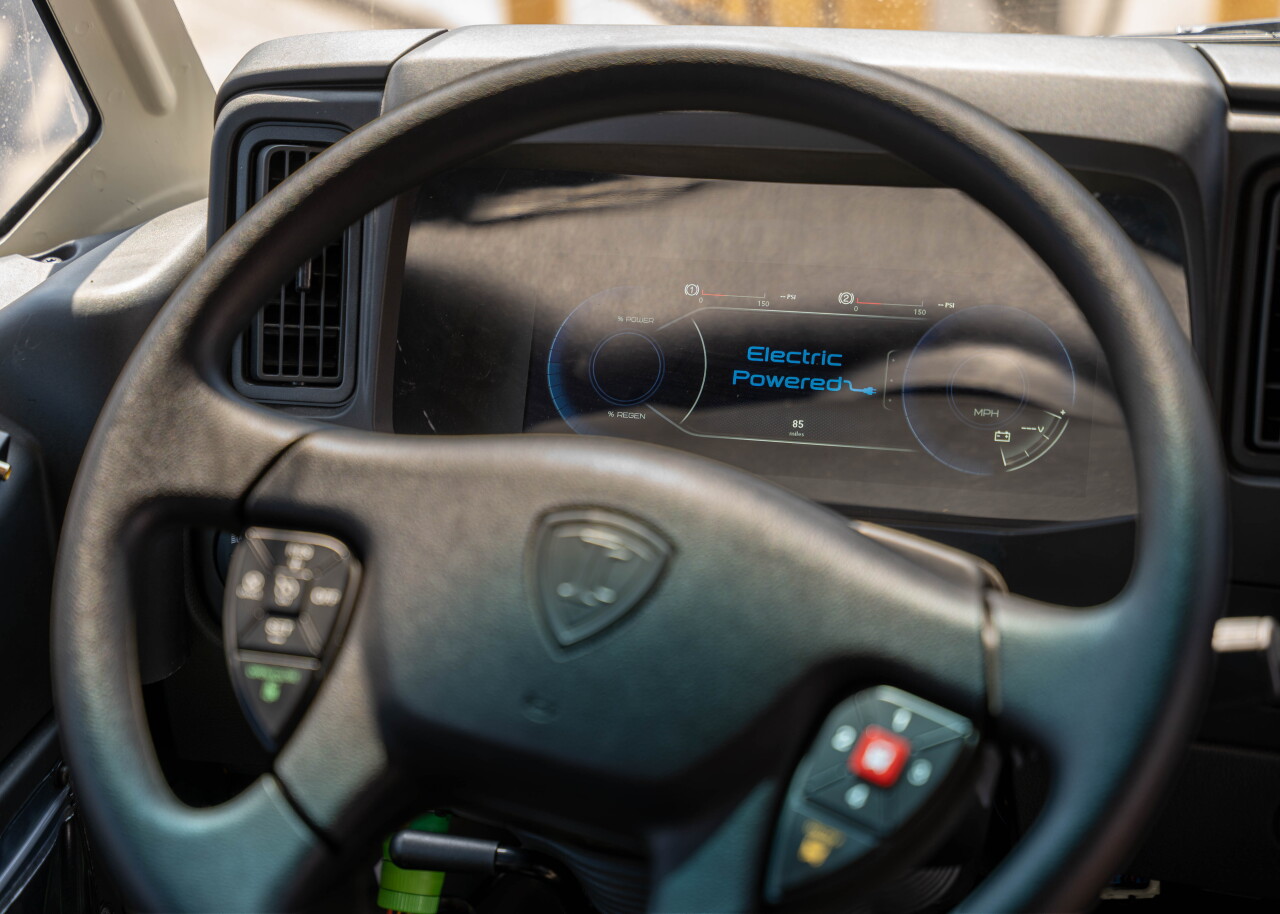
Jeffco sees the greatest benefit from electric buses on dense, suburban neighborhood routes where frequent stop-and-go driving maximizes energy recovery through regenerative braking.
“They are also ideal for predictable two-tier schedules with a standard morning run, an afternoon run, and several hours of midday idle time at the terminal for recharging. Finally, placing these buses on routes well within a 60-to-75-mile daily envelope ensures a comfortable safety buffer for heating or air conditioning usage regardless of seasonal weather,” the district said.
This pilot was supported by Highland Electric Fleets and about $3.4 million in Xcel Energy funding.
“It allows us to measure real-world range by seeing how battery performance holds up under real conditions—including mountain elevation changes, freezing winter temperatures, high heating or air conditioning usage, and full student passenger loads. It gives us critical insights into infrastructure demand; while six chargers support our current pilot, scaling further means evaluating charger lifespan, replacement cycles, depot grid capacity, and the substantial capital required to install electrical infrastructure at additional terminals,” the district added.
Jeffco said one of the goals of this pilot is to see how that range holds up in real Colorado conditions including cold temperatures, hills, heating, and full student loads.
“Starting with cold-weather range degradation caused by slowed battery chemistry in freezing Colorado temperatures and the extra power needed for cabin heating.
It will also test whether they can eventually help power the electrical grid.
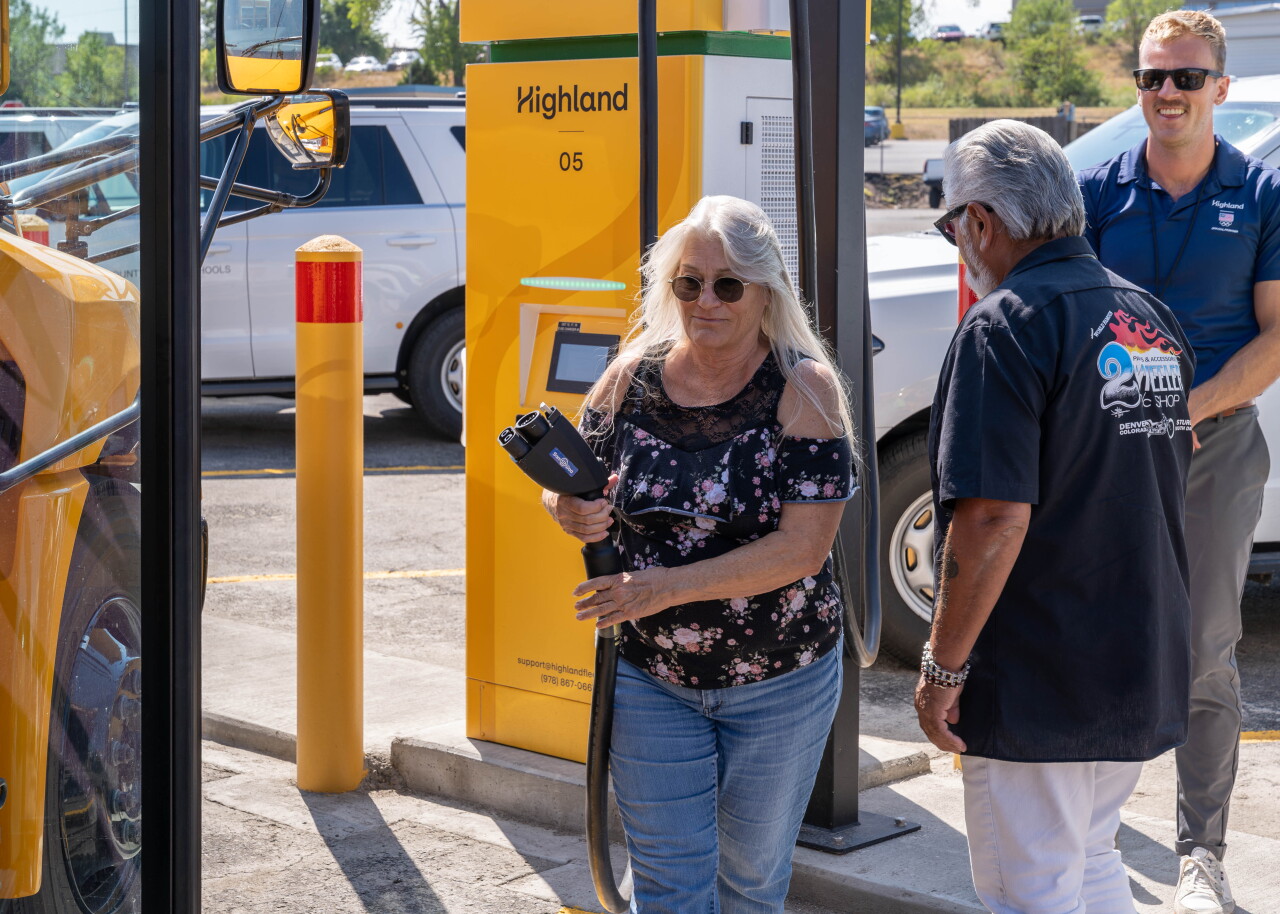
“Sending energy from the buses back to the grid transforms a traditional transit asset into a dual-purpose community resource. During the school day, the buses serve their core mission of transporting students, but during idle periods—particularly high-demand summer months or peak evening hours—they function as mobile, large-capacity energy storage units. Through utility partnerships with Xcel Energy, discharging stored power back into the system allows Jeffco to earn revenue or utility bill credits, directly lowering district operating costs,” the district said.
“I’d like to see what it does in the winter. In the snow. I have driven a lot of the buses, and I would like to see what it does because it's a lot heavier. It's all battery,” Gallegos added.
The district said this winter will be an important test because cold temperatures and heating can reduce the range the buses can reach.
“This winter will provide the district with crucial real-world data on how local Colorado temperatures, elevation changes, and cabin heating affect battery performance before making broader decisions about expanding the fleet,” the district said.
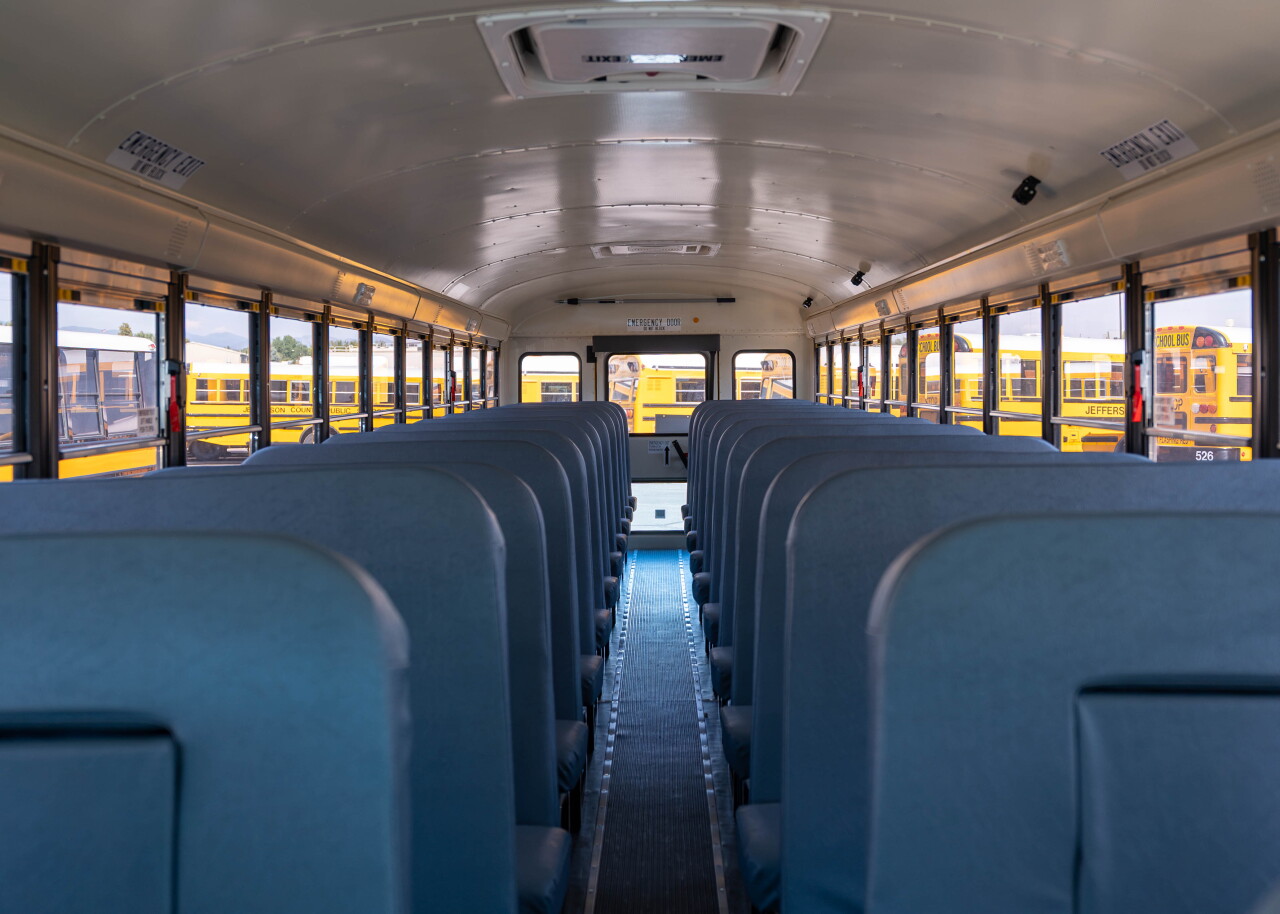
For now, they will keep these six buses on shorter, more predictable routes and utilizing the midday break to recharge. Jeffco is carefully tracking the fleet's true total cost of ownership to ensure long-term financial viability without relying permanently on grant subsidies.
“We will generate precise cost comparisons across electricity, maintenance, and facility overhead versus our existing diesel and propane fleets,” the district said.
The district said any potential expansion of electric buses following a successful pilot will be a gradual, phased process rather than an overnight replacement.
“Decisions on when and where to add vehicles will be grounded in hard data gathered from our initial six buses, evaluating key metrics like total cost per mile, cold-weather reliability, maintenance history, energy expenses, and overall total cost of ownership,” the district said.


Denver7 is committed to making a difference in our community by standing up for what's right, listening, lending a helping hand and following through on promises. See that work in action, in the videos above.