



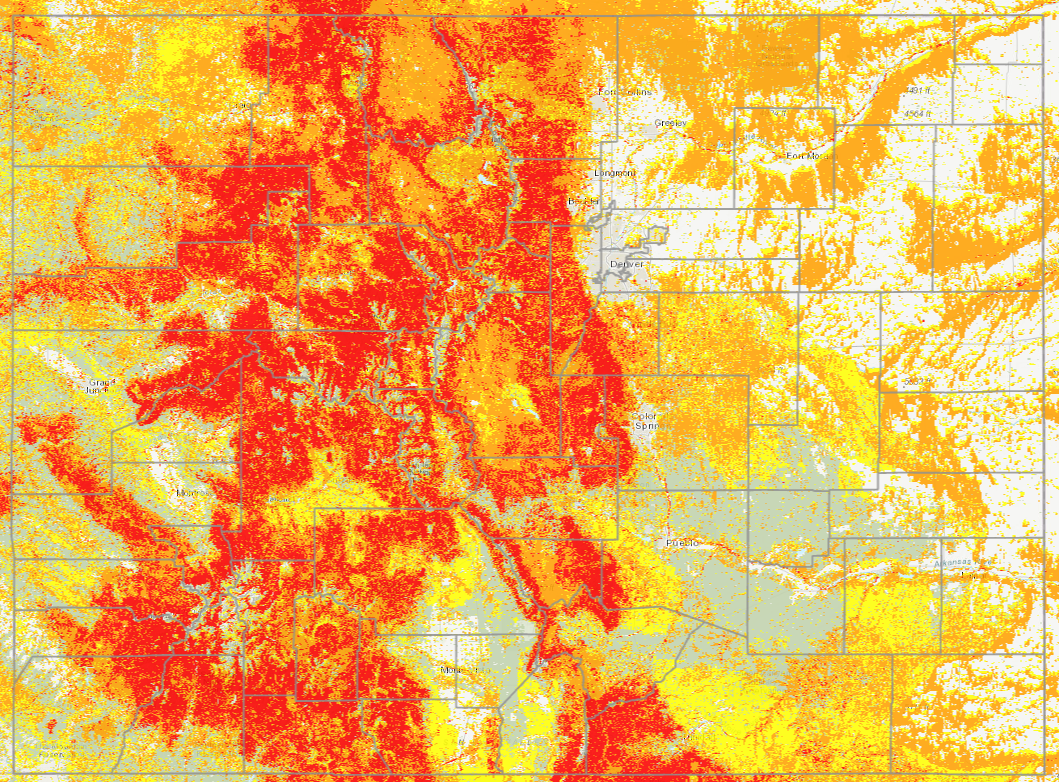
HIGHLANDS RANCH, Colo. - Parts of the south metro area are a true escape from dense city life, but the nearby wide open spaces and trail systems that make neighborhoods so special can also put them at higher risk for wildfire.
Not far from South Metro Fire Station 20 in Highlands Ranch, Denver7 crews spotted charred grass- the aftermath of a small fire. On the other side of that field is a neighborhood.
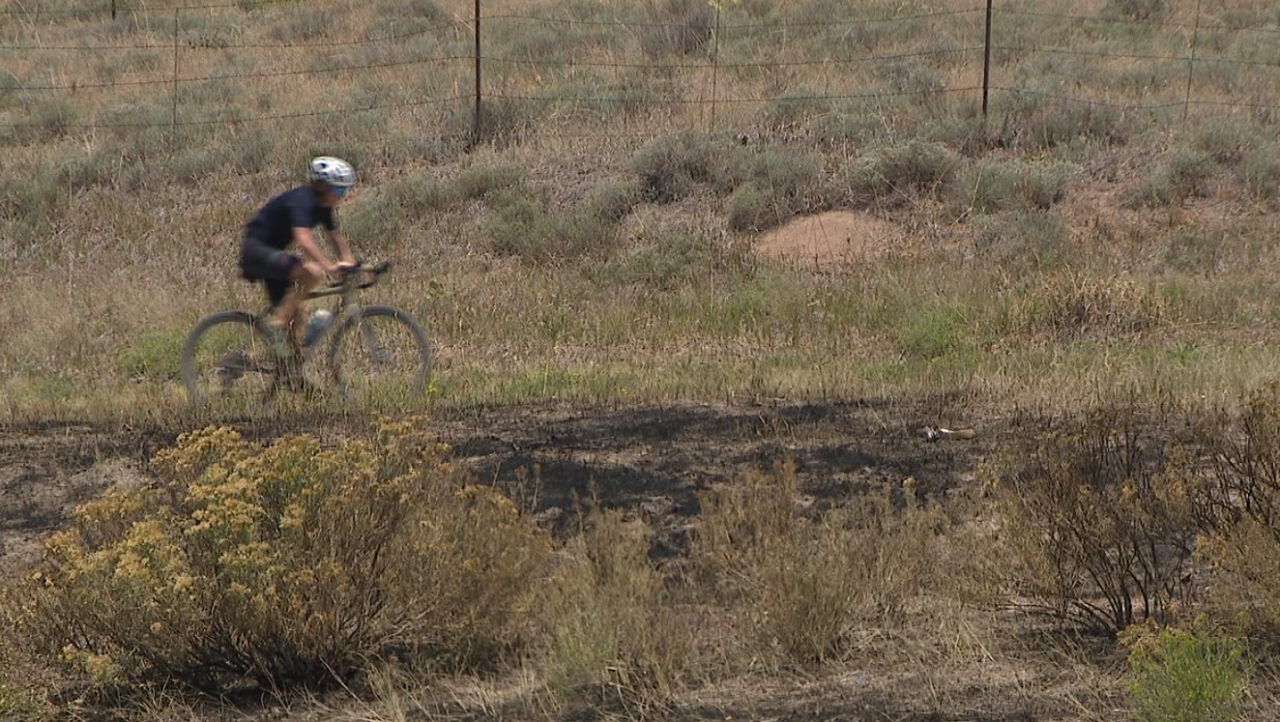
"We love having that [open] space right by our homes. But that natural habitat moving into a wildfire situation, and moving into where we live, is a concern," said Colleen Potton with South Metro Fire Rescue Community Risk Reduction.
This extremely dry year has not helped with all the dry grass and fuels surrounding homes.
"I think that this is when we, as a community, have to come together," Potton said.
Potton works with neighbors to assess their homes, for free, and suggest changes to reduce their wildfire risk.
► Watch Danielle Kreutter's report in the player below:
"What we're concerned about when it comes time for a wildfire is actually the embers that are blowing," she said.
Those embers can travel miles on the wind and ignite fuels around a home.
She walked Denver7's South Metro Reporter, Danielle Kreutter, through changes many homeowners could tackle in a weekend.
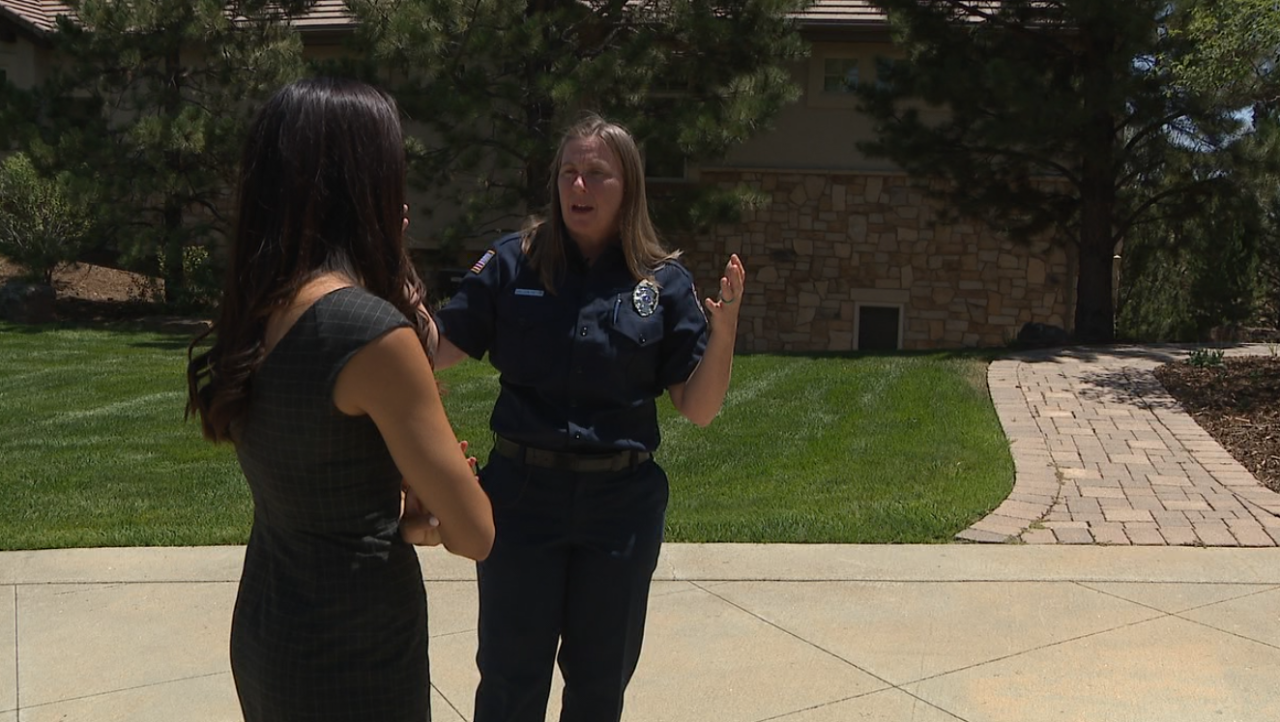
"It's super important that we have fire resistance as much as we can on that first five feet," Potton said.
Keeping gutters clean of leaves and pine needles can prevent any flying embers from spreading.
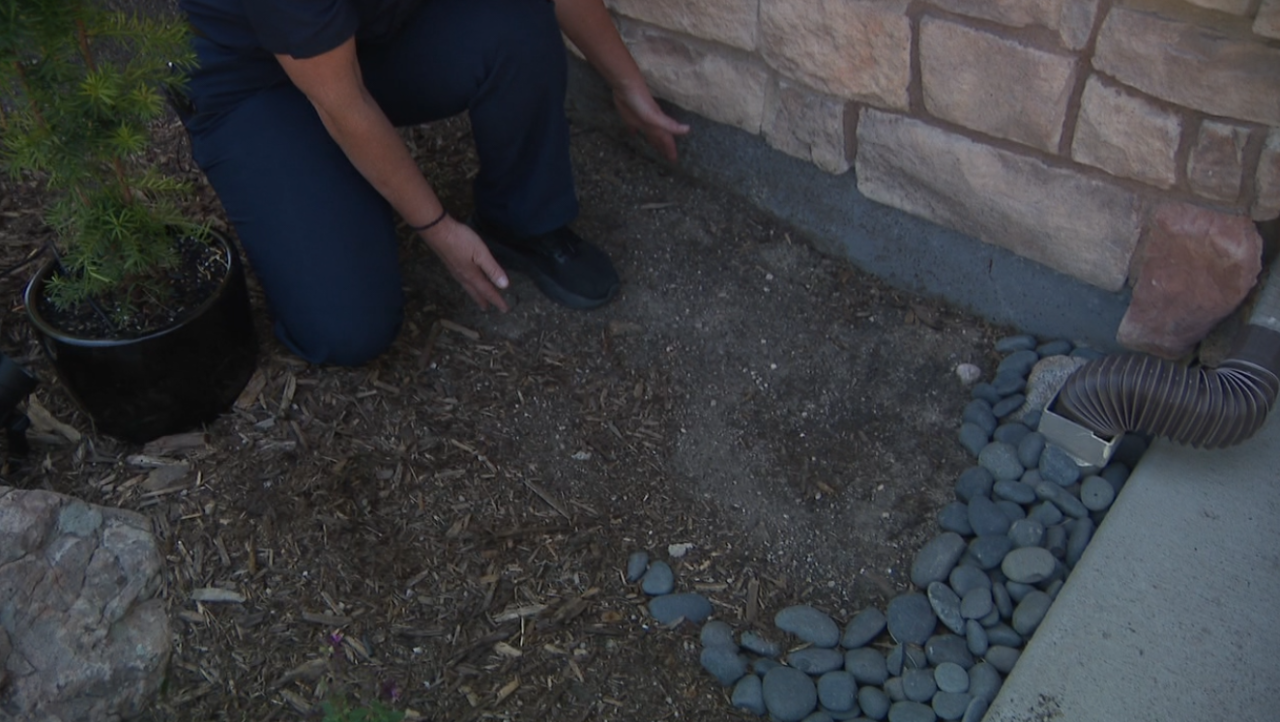
Potton recently worked with a homeowner in Castle Pines to remove mulch that used to cover the ground leading up to the home.
"Notice they gave me about two feet right here of mulch that they have removed down to the dirt. This is not going to burn," Potton noted.
Ladder fuels should also be addressed. Potton used an example of a shrub that could spread fire to a nearby tree.
"We could have an ember come in here into the mulch, and then from the mulch catching on fire, because we have the shrubbery branches so low, the shrub could catch on fire, and now because the shrub and the tree are touching, now we're going to get the tree catching on fire," she said.
Some of the changes can be time-consuming.
"We had like huge junipers all along a whole wall on our side there," said Castle Pines homeowner Stephanie Tanner, who has been chipping away at the suggestions made by South Metro.
Juniper plants catch fire quickly and burn very hot compared to other plants, so South Metro recommended they be removed.
"Fortunately, we had some friends that said, 'I've got a pickup truck and ropes, and we will come with some elbow grease and help you one Saturday,' and that's what they did," Tanner said.
Other changes were a lighter lift. She got rid of a highly flammable fiber welcome mat and swapped out patio furniture.
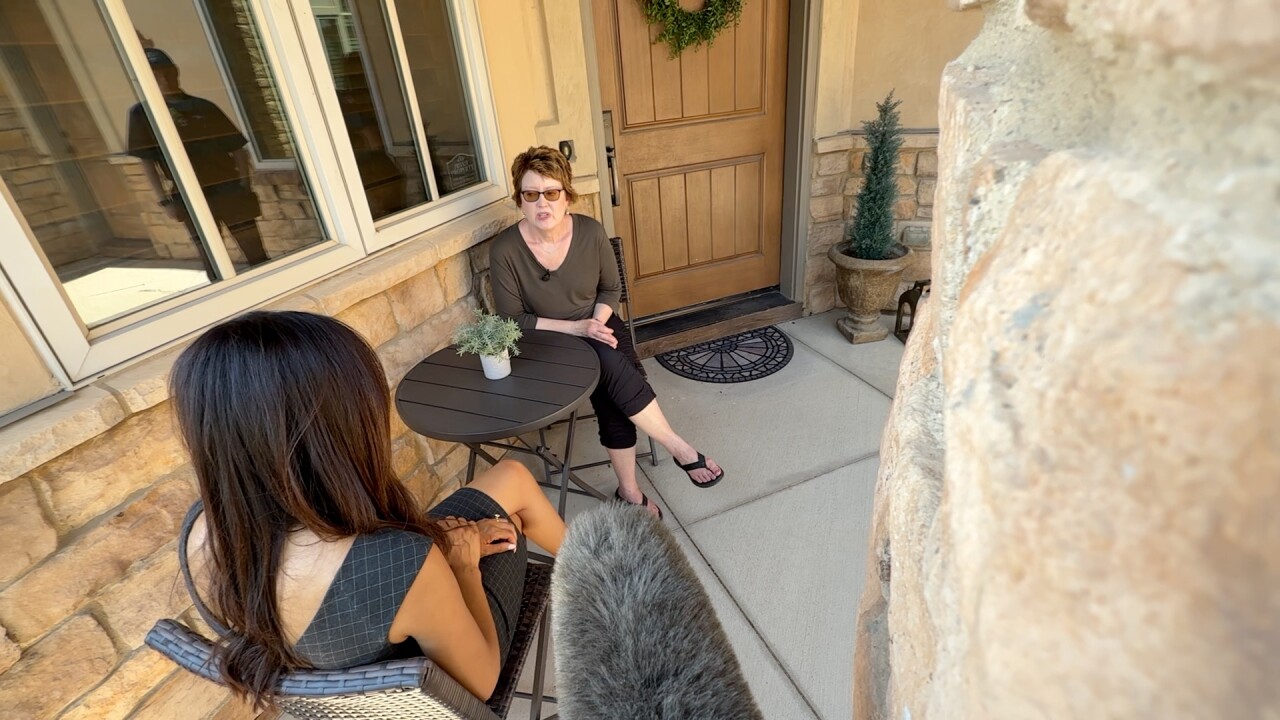
"I changed my wood bistro table to metal. Just little things, but they all add up. They matter when fire comes," said Tanner.
She's hopeful that more neighbors will learn what changes they can make, big or small.
"You still have a nice yard, and you're safe. So when that fire comes someday, if it does, we hope it doesn't. But your home can stand against it," said Tanner.
For a free assessment and more educational resources from South Metro Fire, click here.


