



ENGLEWOOD, Colo. - The city of Englewood is officially done with Flock. The company is behind automated license plate readers, or ALPRs, in communities across the country.
Flock has faced criticism over privacy concerns and possible data sharing.
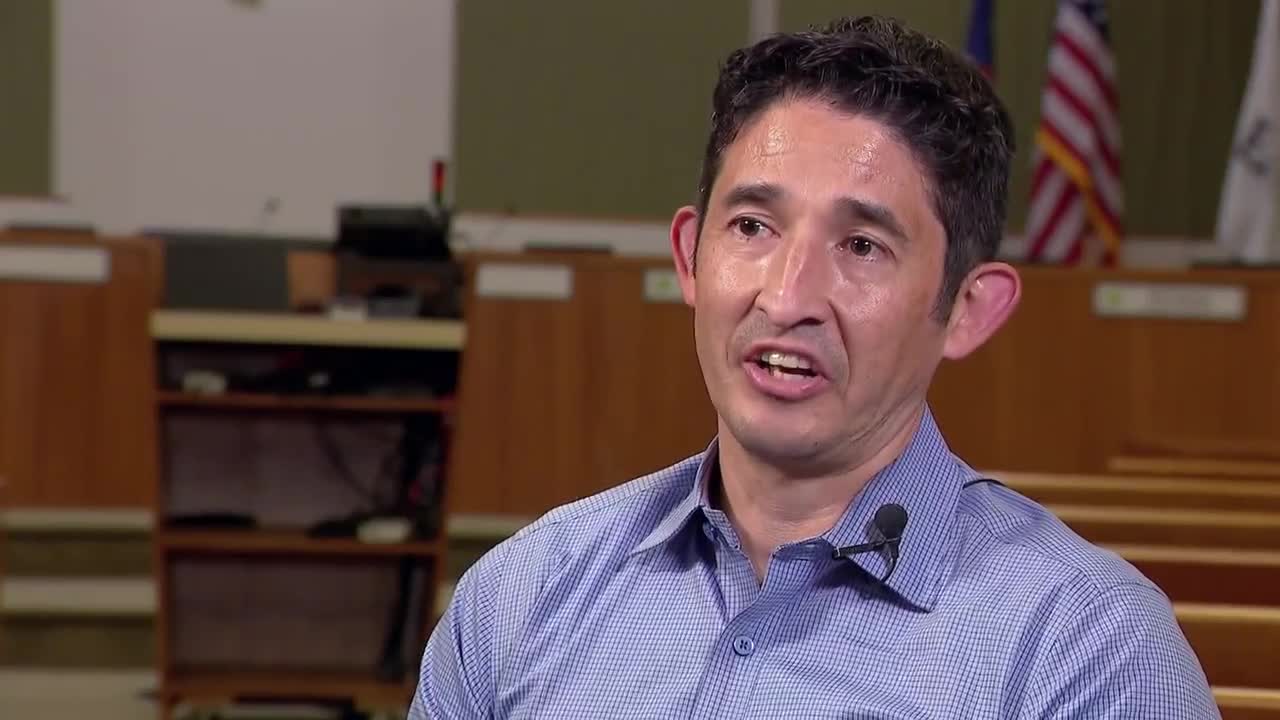
"We've been having conversations about Flock since October of last year. Obviously, it came up just because of concerns that were happening around the community about how Flock data was being used by other communities, other jurisdictions that aren't part of the city," said Englewood Mayor Othoniel Sierra.
He said city staff did not get satisfactory answers from Flock about how exactly the data collected could be used by other jurisdictions. The mayor noted there is no recorded case of an Englewood officer misusing data collected by an ALPR.
"Our police department, we didn't have concerns in terms of how they were using the data. But any time that another agency requested information, [that agency was] able to request other information outside of just that specific plate that was pinged while they were in the city of Englewood," he said.
City Council voted unanimously to terminate their contract with Flock. The City Attorney reported there was a fee of $27,500 to end the contract, and a total of $6,000 for Flock to remove their license plate readers from Englewood. In the time since the vote, the stationary ALPRS have not been removed by the company. A request sent by Denver7 asking Flock for an estimated time of removal was not responded to by the time of publication.
Following the vote to end the contract with Flock, city council considered an alternate ALPR company, Axon.
"It's more in a controlled environment, so it's actually within the actual servers of Englewood, within Evidence.com. So we actually control more of that information. At least three of us, myself included, felt a little bit more comfortable about how we can disseminate that information to other jurisdictions that are requesting," Sierra said.
Englewood Police Chief David Jackson advocated to keep some type of stationary ALPR technology within the city, citing a decrease in crime.
Data from the Englewood Police Department show that total motor vehicle thefts were over 600 cases in the two years before ALPRs were set up in Englewood. In 2023, the year Flock launched in the city, that number was 507. There were 448 cases in 2024 and 224 cases in 2025.
"The crime reduction in those three years is remarkable and I think the police officers, the police department, and frankly our community would be greatly impacted by that- negatively," Jackson said of losing access to stationary ALPRs, prior to the vote.
The final vote was split: 3-3, essentially putting a pause on that contract.
The mayor explained there are ALPRs within police vehicles, but there are now no longer any stationary ALPRs collecting data in the city.
"I hope it's not the end. I'm hoping that we still have a conversation about that in the future, whether it's this year or early next year, that would be my hope because I do see some value in the ALPR use," he said.
The mayor said some of the city's goals would be to have more conversations about citywide policies that could help shape the next possible contract. That policy would include issues like where the cameras can and can't be, how far they are from neighborhood, and other concerns expressed to council.


