



DENVER — Labor Day for some marks the unofficial end of summer, and many left hoping this upcoming winter season will be filled with snow. This year's severe drought has impacted industries across Colorado, from ski resorts to hay farms, with Denver7 extensively covering the lack of moisture and unusually high temperatures across our state.
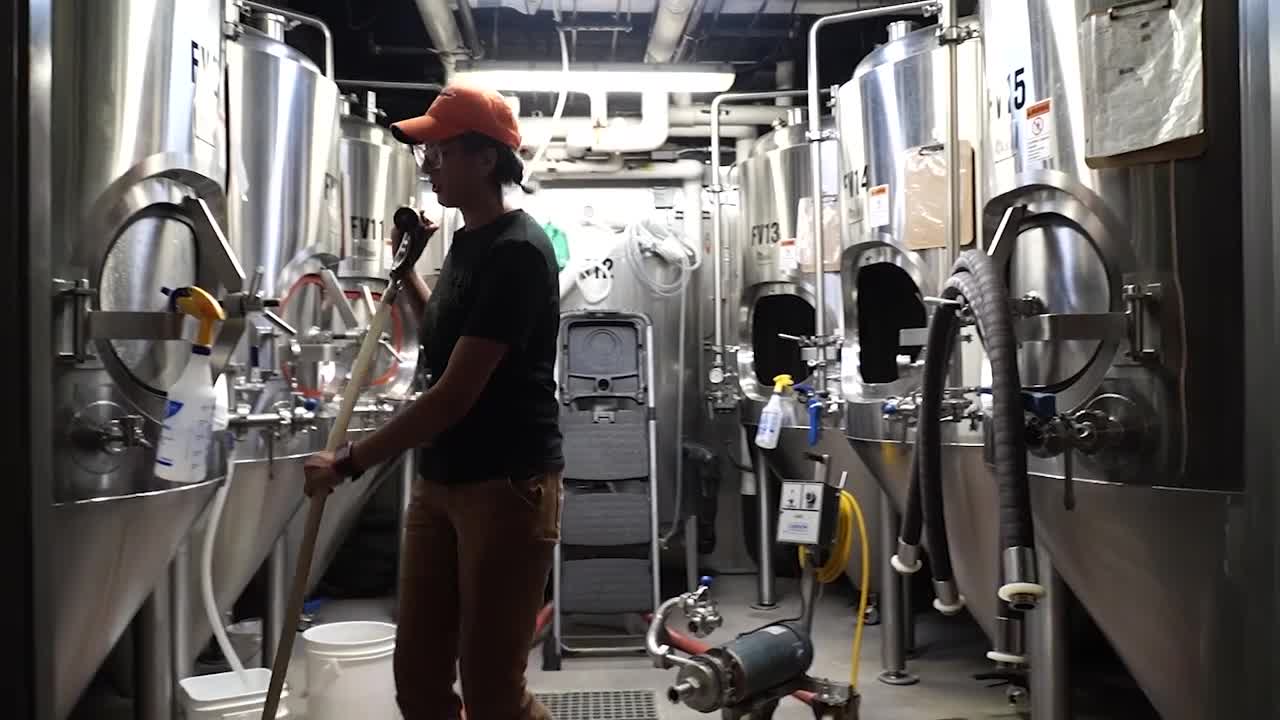
While many may have enjoyed drinks over this long weekend, they may not realize the impact Mother Nature is having on the beer industry. Kat Hess is the head brewer at Wynkoop Brewing Company and has never dealt with conditions like these in the past.
"Definitely some challenges if you're expecting a beer to taste a certain way, we kind of have those recipes of what metrics we're looking to hit, and we're just having to do a little bit more fixing on our side of things with aftermarket products and make sure that we're hitting those metrics," Hess said.
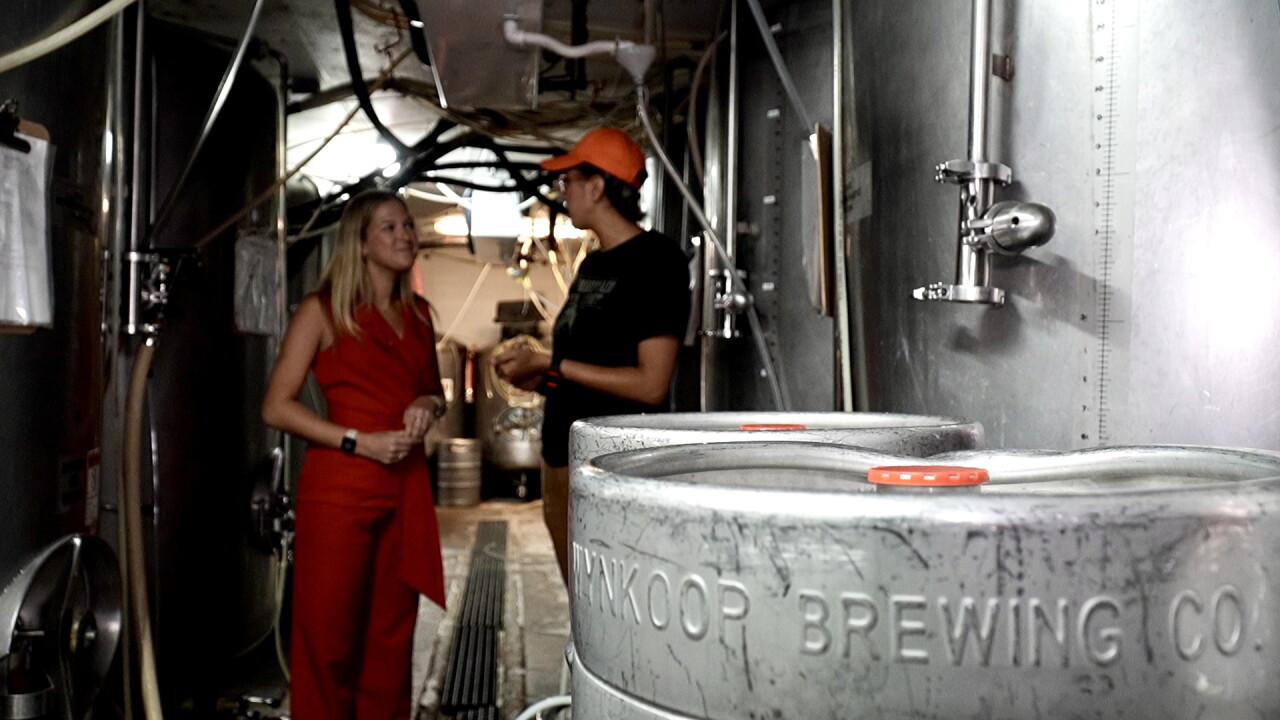
Growing up, Hess wanted to be a chemist and found a passion for beer production while she was living in Boston. She broke down some brewing basics when it comes to the role of water in beer.
"Water is absolutely the most important ingredient in beer. It makes up like 97% of beer," said Hess. "A lot of people don't think about that. They think about the grains and the hops and the yeast, but water is the base of everything. So having good, clean, quality water, which we are very lucky to have here in Colorado, is super, super important."
With water levels dropping in reservoirs this year, Hess explained she has noticed pH changes with calcium building up in their hot water tanks.

"Definitely doing a little bit more descaling, deliming. Like I mentioned earlier, we had a lot of issues with our pH being different because we're getting a lot of more calcium. It's really hard for us to be able to track exactly which reservoirs the water is coming from right now, because we have so many in flux, so many that are kind of melding together," Hess explained.
Charlie Hoxmeier, assistant professor of food and fermentation science at Colorado State University, explained the greater impact drought is having on suppliers as it can make barley plants have high protein concentrations.
"The biggest issue that we see in the brewing industry, in terms of water shortages or water quality issues, is when it comes to the growing of our raw materials, and that's a conversation that brewers have to have with their suppliers" explained Hoxmeier.
"But it's something that we can also tell our customers about to get them involved in that kind of the whole supply chain story."

Looking ahead, Hoxmeier explained these dry conditions could send the price of beer up as the cost of raw materials would rise, creating a domino effect. Ultimately, he shared brewers will need to think about the ingredients they are using and how to avoid issues with barley.
"The brewers think about it in the sense that we love making this beer. We love making this product. It's our craft that we've devoted our life to, and that we can find other ways to be flexible and creative," Hoxmeier said.




Denver7 is committed to making a difference in our community by standing up for what's right, listening, lending a helping hand and following through on promises. See that work in action, in the videos above.