



DENVER — Inside the Temple Grandin Equine Center (TGEC), something extraordinary happens when horse and human come together, with a Colorado State University student best describing it as "magic."
Denver7's Anusha Roy covered the long-lasting impacts equine-assisted services have on children and the second chances horses have at TGEC. A team at Colorado State University Spur took a closer look at the horses behind the therapy and how the sessions may be impacting them.

Denver
The long-lasting impacts of equine therapy at the National Western Stock Show
The director of research at TGEC, Dr. Caiti Peters, explained that the center works to advance both research and practice in equine-assisted services to help clients meet their individualized goals.
Denver7's Maggy Wolanske witnessed the pure joy 4-year-old Margo had riding horse Lily at TGEC. Her parents even shared that hippotherapy, one type of equine therapy, has helped improve Margo's emotional regulation, motor skills and focus — along with being a major highlight of her week.

There are a wide-range of therapy services offered for clients at the center, including physical therapy, occupational therapy, psychotherapy and speech-language therapy.
"They're excited to see their horse or to ride their horse, and that is just a different feeling than oftentimes what you get at a traditional outpatient clinic, where maybe a lot of kids aren't excited to go and do some occupational therapy or some physical therapy because it's hard work," Peters said. "We're really challenging them and asking them to build new skills, and so doing therapy is really hard work, but it doesn't feel like it if you're riding your horse or interacting with your horse; it can make it fun and enjoyable."

Longmont
Hope from horses: Return of the Colorado Therapeutic Riding Center horse show
TGEC also offers an opportunity for CSU students to pursue their passions and look into research that excites them.
Cristal Morales is going into her fourth year working toward her equine science degree and participated in the recent research: 'Physiological and Behavioral Responses to Mounted vs. Unmounted Human-Equine Interactions in Autistic Youth and Horses.'
"I believe it's really important to basically know how it affects both, like how these sessions affect both the horse and child as well," Morales said.
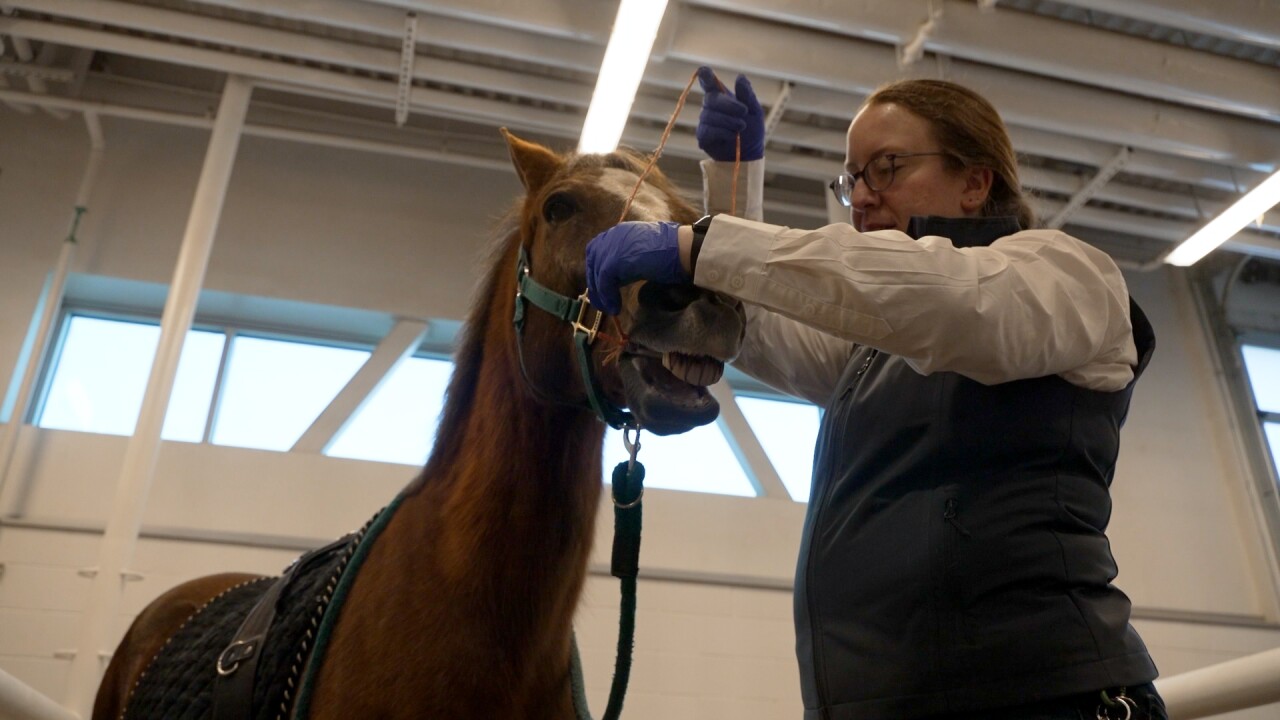
To find out how the horses were truly impacted, Morales explained that the team tracked the horses' heart rates and collected saliva samples to measure cortisol levels.
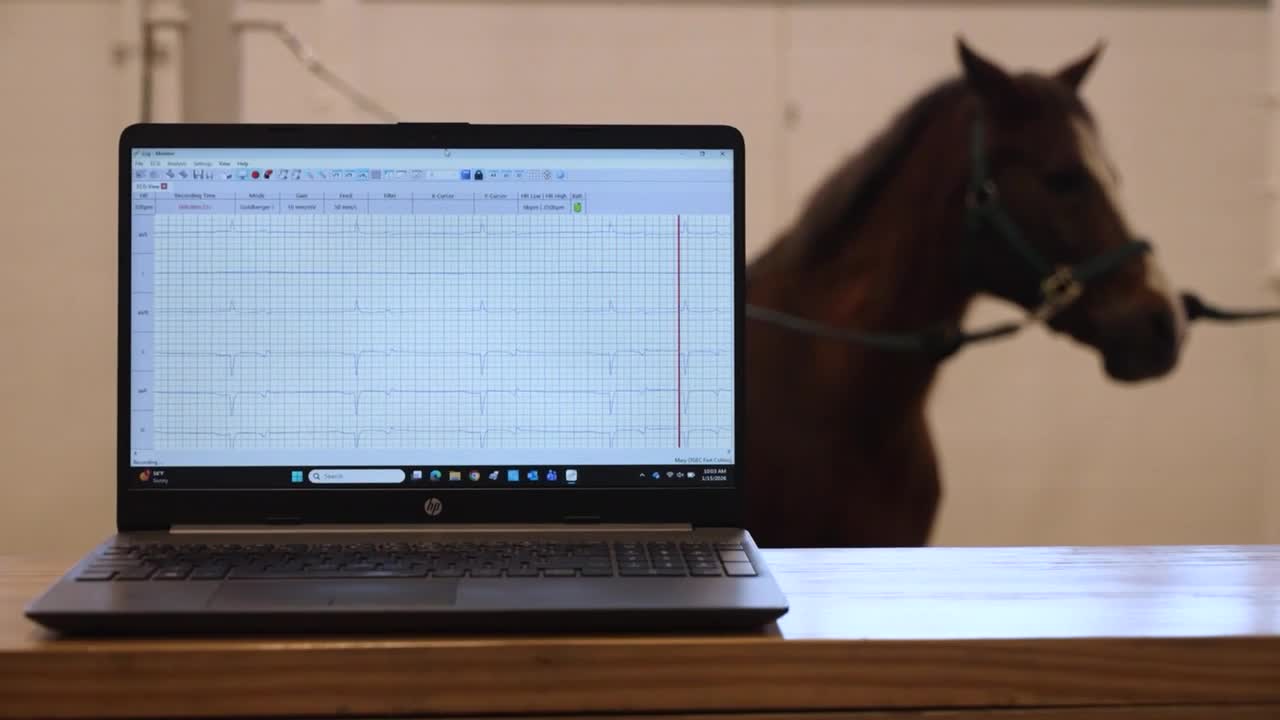
"Basically, during data collection, it was really important to note if anything happened during it. Like, let's say there's a fly or something that spooked them, that you would see like a spike on the ECG, it's like a blue line right there," explained Morales. "We would note the time that it happened on the recording, just so we'd know, like, when they look at the heart rate variability to note that occurred."
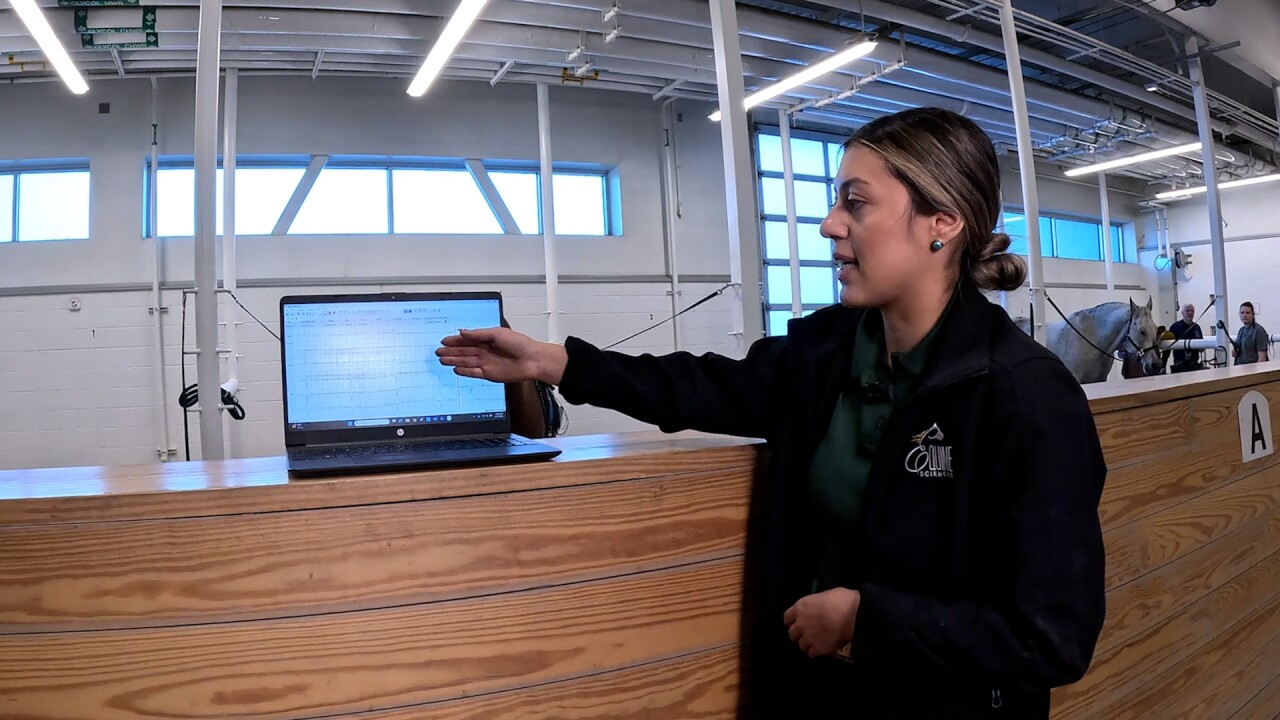
The study began in 2022, with data collection finishing last summer. Peters said the paper, which found there is no additional stress on the horses, will be published this year.
"We want to make sure that the services that we're providing aren't stressing out the horses, and that's what our research has demonstrated thus far, is that they don't demonstrate increased stress during those services because we are asking them to do things that are different from a typical horse's job," Peters said.

Looking to the future, there is still more to explore; Peters expressed interest in whether human heart rate synchronizes with a horse's heart rate during therapy sessions.
For CSU students like Jessica Carter, having this center and the research happening inside of it is proof that the future of this field is bright.
"I really think that the research is going to help this industry," Carter said. "I think that you'll see that both the horses and the participants benefit from this therapy, and I'm interested to see where the research goes from here."