



CASTLE ROCK, Colo. — Castle Rock has cut its per‑person water use to the lowest level in nearly two decades, dropping to 111 gallons per capita per day (gpcd) in 2025 despite rising temperatures.
So, how did Castle Rock end up seeing this reduction?
"We're trying to address water usage," said Mark Henderson, assistant director at Castle Rock Water.
To understand their approach, it helps to look back at their earlier efforts.
One major step began in 2009, when Castle Rock Water launched the ColoradoScape rebate program, which continues to this day.
"The fact that we offer $3.25 per square foot to replace normal turf with ColoradoScape is a huge incentive," he said.
As a result of the rebate, Castle Rock Water has now removed more than 1.5 million square feet of high-water-use turf.
"Outdoor watering use is the majority of watering use that a customer uses during the year," said Henderson. "The average winter usage for our average customer is about 5,000 gallons per month, but during the summer it goes up to 15,000 gallons per month."
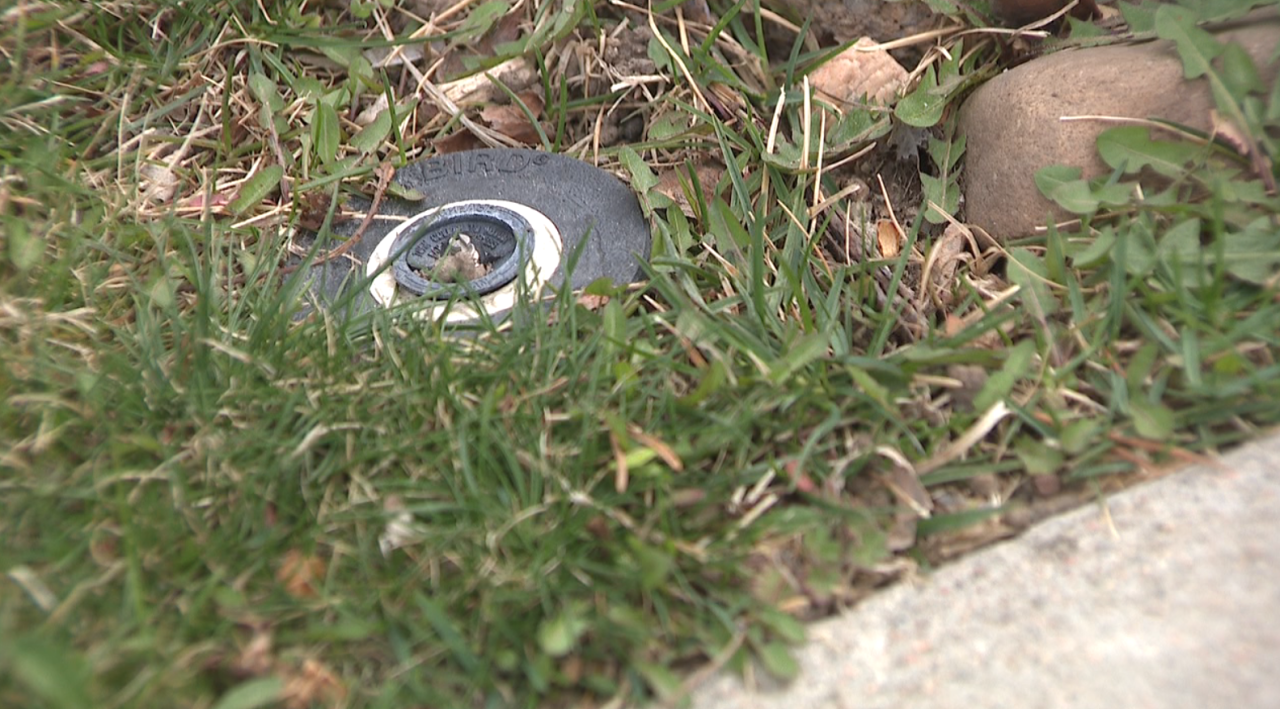
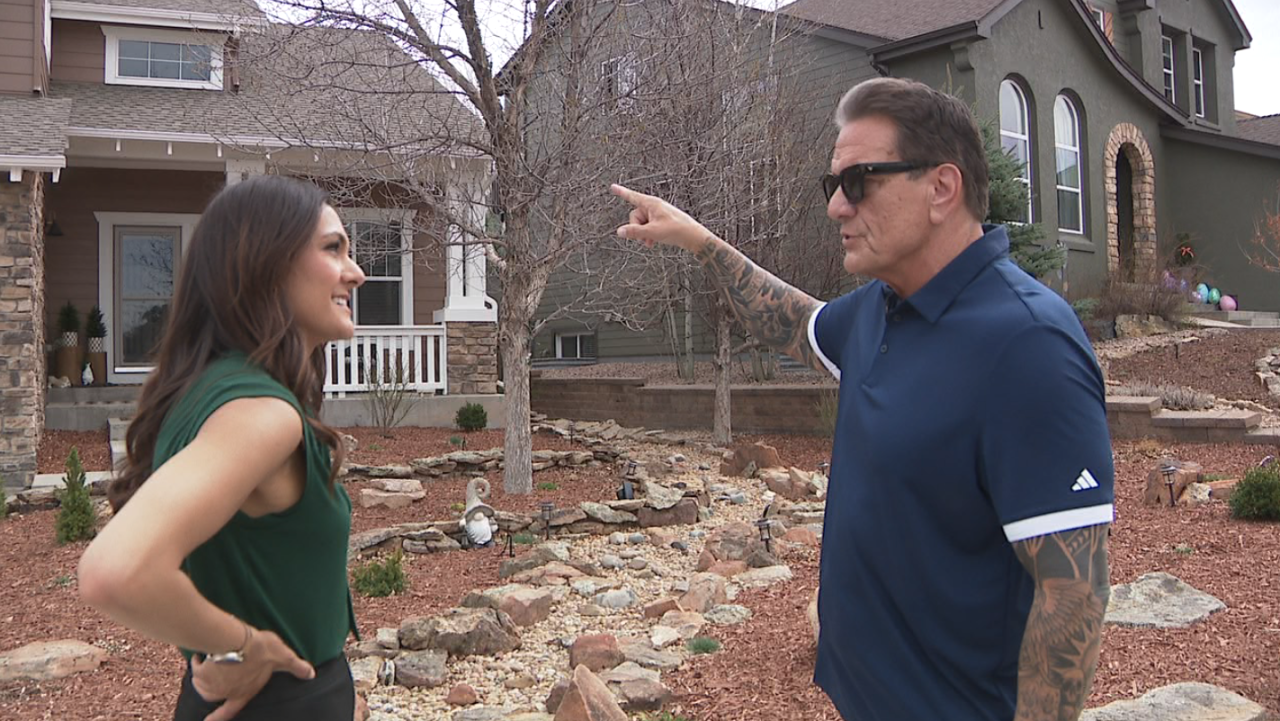
The impact of these programs is evident among residents. Castle Rock homeowner Tony Tetreault recently used the lawn rebates after seeing his neighbor across the street use the program to replace his front yard with ColoradoScaping.
"It paid for most of my plants. It paid for a lot of my rocks. So, it's a hook, especially with the climate that we have right now, it's bad," said Tetreault.
After his wife attended a water-wise class hosted by Castle Rock Water, the couple designed and rebuilt their front yard with water-wise plants and stones, using rebates to cover much of the cost.
Building on these conservation efforts, in 2023, Castle Rock became the first in Colorado to ban traditional turf in the front yards of new homes.
Continuing its leadership in water conservation, the town recently began requiring ultra-high-efficiency toilets (0.8 gallons per flush) for all new residential construction. This exceeds Colorado’s current requirement, which is a maximum of 1.28 gallons per flush.
"A traditional toilet can use about 25% of a household's average water use," said Henderson.
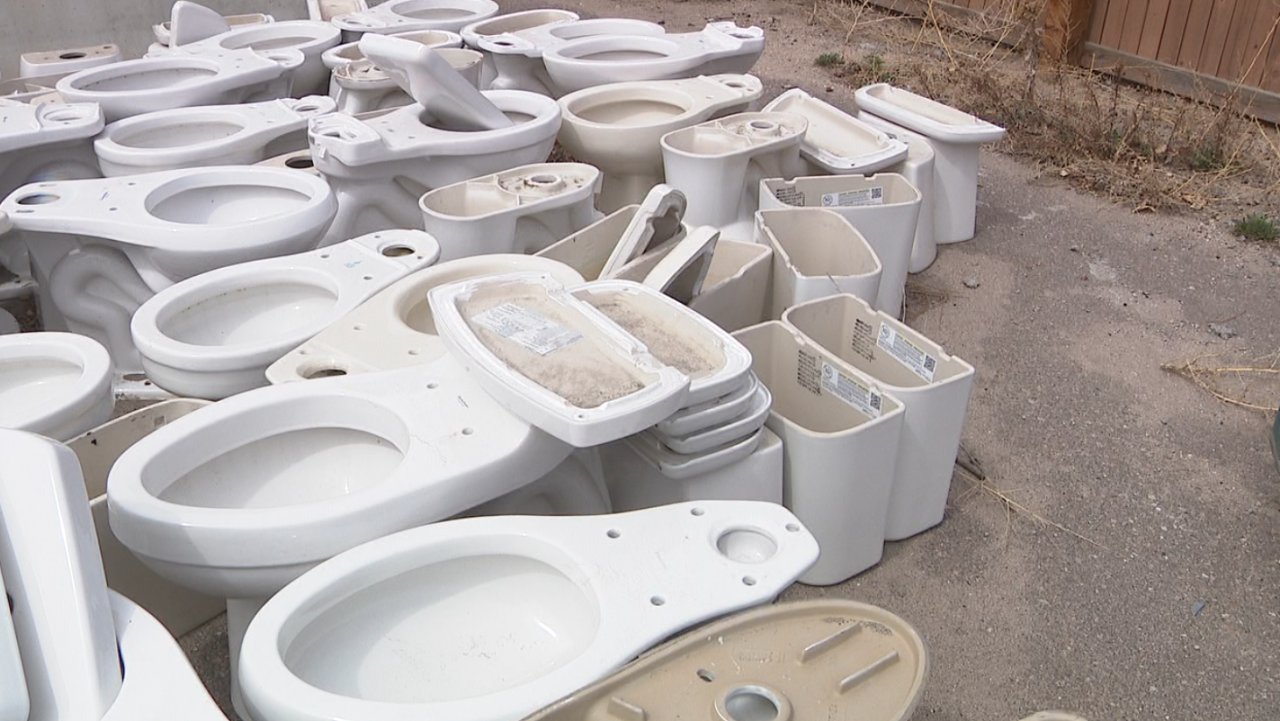
To support existing homeowners, the town launched a swap program running from June through August: they accept old toilets and provide $150 toward a replacement.
"At 0.8 gallons per flush, you can save about 2,000 gallons per year," said Henderson of the ultra-high-efficiency options.
The old toilets are ground down and used as a road base or concrete aggregate.
Since their introduction in 2019, the lawn rebates, toilet rebates, sprinkler rebates, and other water conservation programs have shown, through data, that together these initiatives are working.
This progress is especially notable because, even as the town’s average temperature has continued to rise in recent years, residents’ water use has steadily declined.
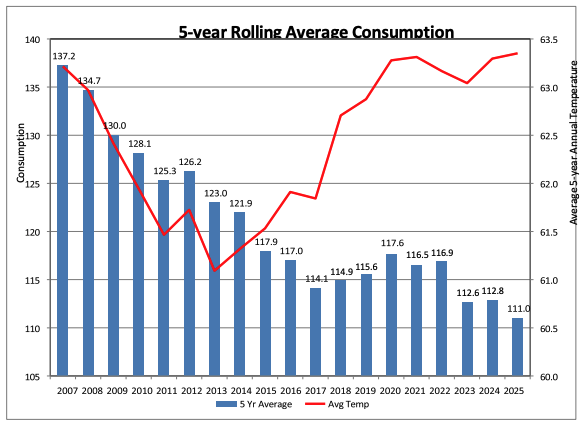
"I think it's amazing, really. I think we can continue to make progress," said Henderson. "Our goal is to reach 100 gallons per capita per day by 2050. We have a little bit more to go, but we've made a ton of progress, coming from 165 gallons per person per day down to 111 now."
Looking to the future, Tetreault anticipates a drop in his water bill this summer—his first without a turf front yard.
"It'll be big time, because I had probably six to eight [sprinkler] heads out here — not the little sprayers, the golf course stuff," he said.
Last year, Castle Rock paid over $875,000 in rebates, and Henderson said that the investment is worth every penny.
"It's actually a huge benefit if we can reduce our water use, especially during the summer," he said. "High water demand really drives how we design and build some of our infrastructure."
Click here to learn more about Castle Rock's rebate options.
Editor's note on March 26 at 10:32 a.m.: A previous version of this story from the assistant director at Castle Rock Water stated water usage was in gallons per day, but it has been corrected to state "gallons per month."


