

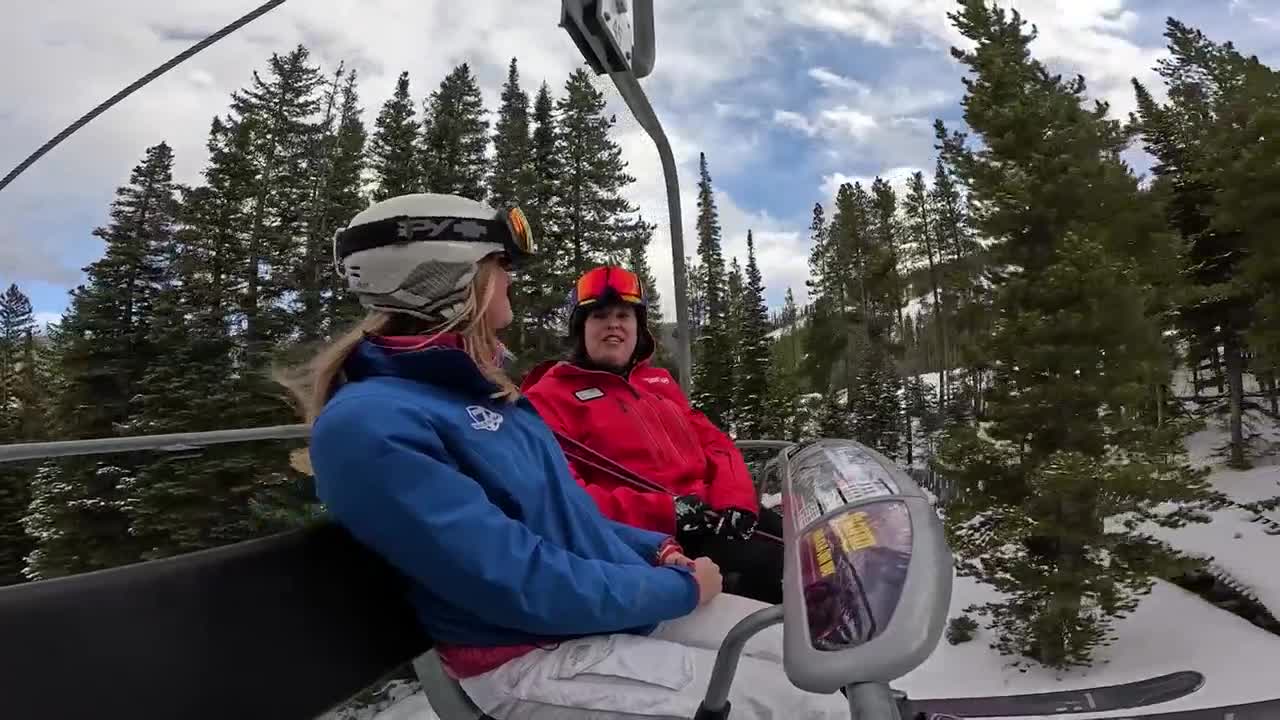


WINTER PARK, Colo. — Snow has finally dumped in the mountains, leaving many skiers and snowboarders relieved that their prayers have been answered. Even though this year has been a low-snow season, Winter Park Resort found ways to keep slopes skiable and visitors happy.
Winter Park Resort has been around since 1940, serving as the oldest continuously operating ski resort in Colorado. Jen Miller, Winter Park Resort spokesperson, explained that while snow has been minimal this season, they are being creative to get terrain open.

"Typically, we make snow from October through December," Miller said. "We extended that into January and made snow a little bit longer because we were relying on cold temperatures, the right humidity, things like that. So it really allowed us to make snow a little bit longer than we normally do."
While this season marked a longer snow-making season, Miller explained over the past few years, the resort has invested money into their snowmaking system.
In the video below, Jen Miller explains what snow-making looks like at Winter Park Resort.
Cloud seeding is another tool the resort uses to bring powder onto the slopes. When the weather conditions are right, Miller explained, silver iodide is sprayed into clouds, and it helps produce more snow out of an existing storm cloud.
"This particular season, when all of the conditions are all right, we have seeded about 10 to 12 times," Miller said. "In a typical season, it would be a little bit more than that because the temperature has to be right, the wind has to be right, humidity, all of the things have to be right to seed a storm."
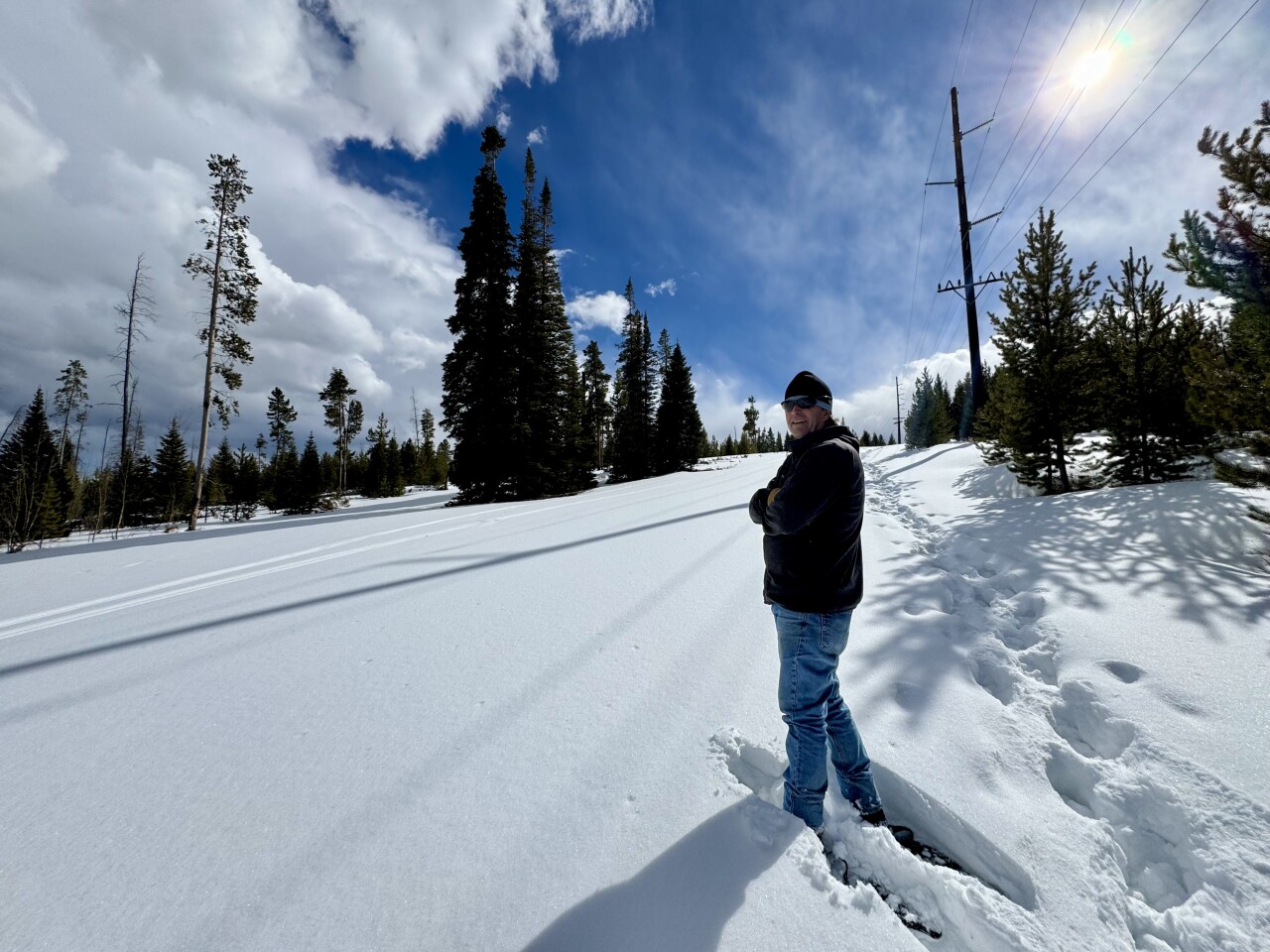
Denver7's Maggy Wolanske hiked up in elevation with Miller and Doug Laraby, planning director for Winter Park Resort, to see one of the cloud-seeding generators they use. Laraby explained that this technology is located about seven miles away from the resort and is used when the perfect storm comes into the area.
"The forefathers that built the resort built it in a great spot for natural snow, and this just enhances this with the ability to bring more snow out of those clouds," Laraby said.

Miller highlighted that cloud seeding not only benefits the resort but also agriculture, as it can help put more snow on the ground.
"Snowpack in Colorado, in particular, is super important for water for not just Colorado, but plenty of downstream states, and so we need it to snow for more than just recreation," Miller said. "We need it to snow because the watersheds are reliant upon this."
► WATCH IN THE PLAYER BELOW | Maggy Wolanske at Winter Park Resort
While cloud-seeding may be one piece in the powder puzzle, snow is still needed to help ski resorts and the statewide snowpack. State Climatologist Russ Schumacher recently told Denver7 what is needed to bounce back from this dry season.
"March and April would have to be essentially record-breaking high snowfall to get back to around average snowpack by the time all is said and done later in the spring," Schumacher said. "I was just looking at those numbers. If we have average snowfall through the rest of the snow accumulation season, we won't be in the historically bad range anymore, but it'll still be way below average for the season as a whole."
For now, it's back to what could be Colorado's new winter tradition: Praying for snow.
