

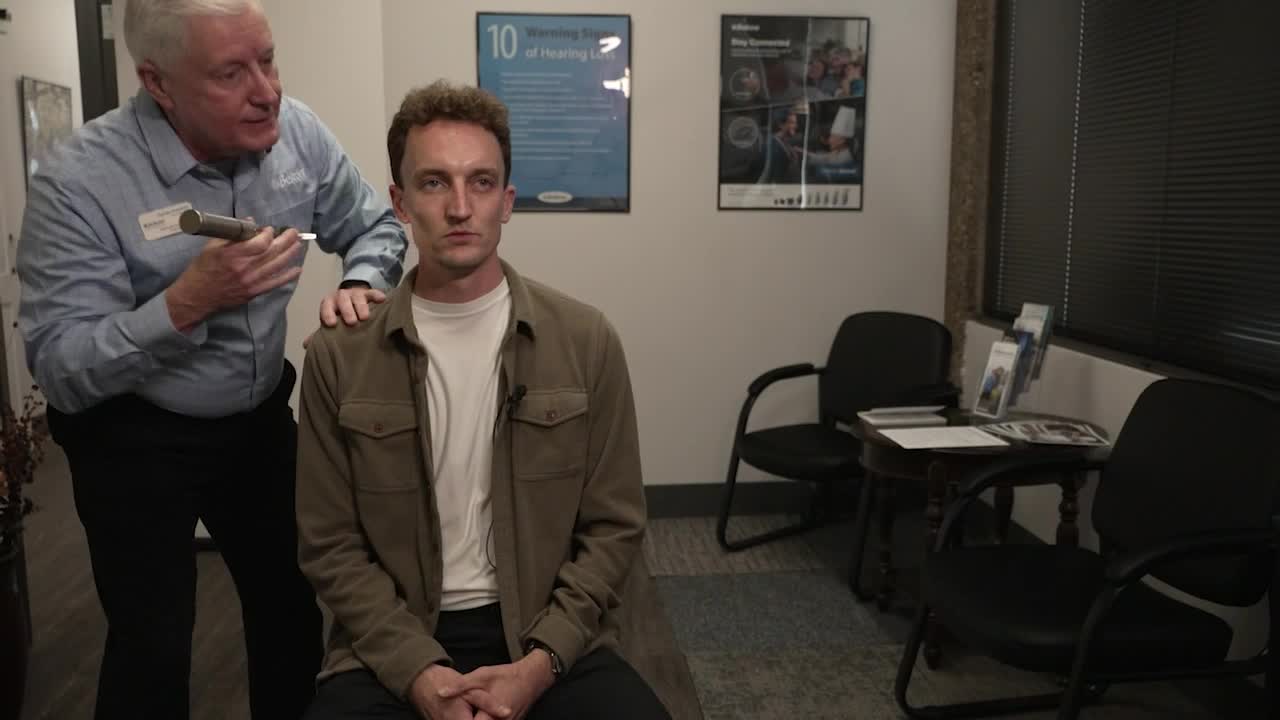


LONGMONT, Colo. — Hearing loss isn’t just about missing conversations.
It’s also emerging as a key factor in brain health, and experts say it could accelerate the risk of dementia. Colorado health care providers are urging older adults to get their hearing tested, saying the issue is often treatable and could make a real difference.
For Deborah Widolf, a longtime art teacher and painter, hearing loss crept up slowly.
“I just didn't notice it until I started to notice that the folks that I was teaching in an art class were asking me questions and I couldn't hear, because they were at the other end of the table, or other people were chatting and I wasn't able to hear them very well,” she said.
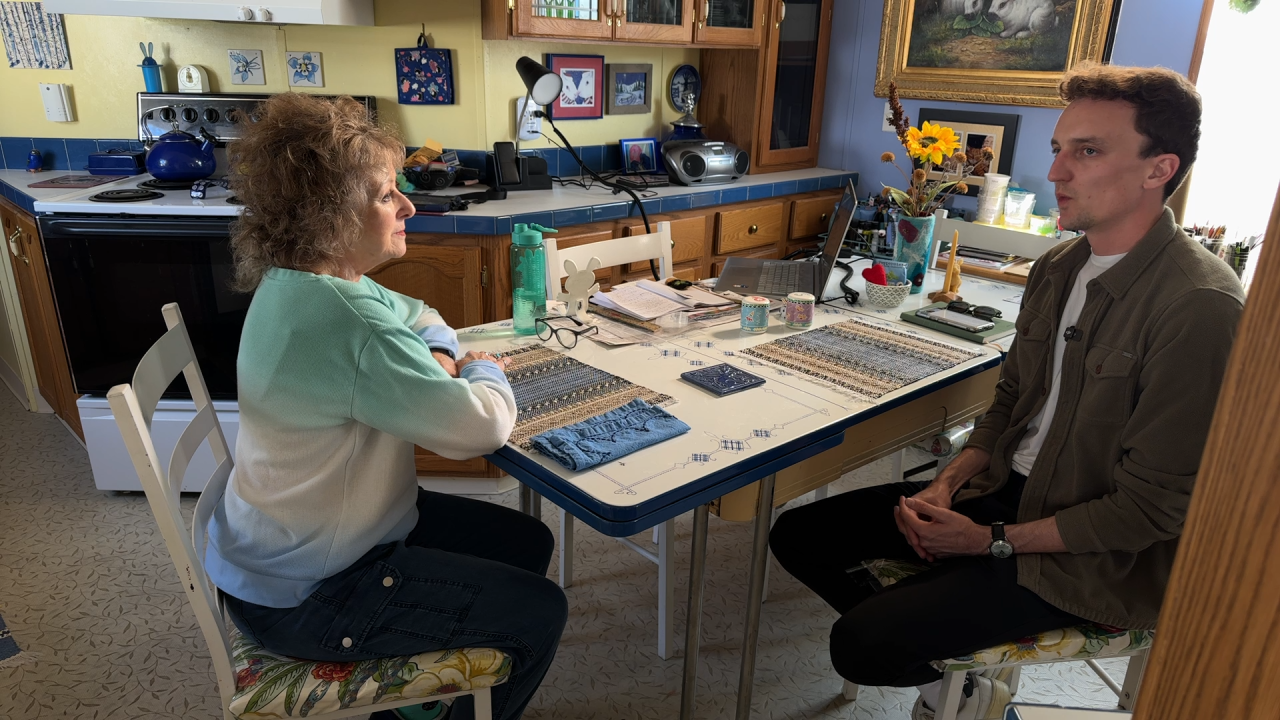
Her daughter began reminding her frequently — and sometimes getting irritated — because she had to repeat herself. Widolf eventually decided it was time to get checked.
“I think it was my teaching of classes. I really want to keep doing that, and I could see how it was becoming a problem,” Widolf said.
Researchers at UCLA Health say untreated hearing loss can strain the brain. When a person can’t hear well, their brain has to work harder to follow conversations — an effort that can affect memory, thinking and potentially raise dementia risk.
Randy Holyfield, an audioprosthologist at Beltone Hearing Care Center in Longmont, cites research showing a link.
“They've discovered that there's a 94% correlation from untreated hearing loss to dementia,” Holyfield said. “Everyone can kind of probably remember a time when a family member, grandma, grandpa, sat on the couch, kind of disconnected at family functions, because they just couldn't function very well, especially in noise.”

That disconnection often leads to isolation.
“I can't hear, and I don't know what everyone's talking about, so I'm just going to sit off to the side,” Holyfield said. “Then you pull back, you don't engage.”
A Johns Hopkins study found 80% of people with Alzheimer’s or related dementias also had hearing loss — but fewer than one in four were using hearing aids.
Holyfield stresses that while there may be no cure for dementia, interventions can help.
“While there may not be a cure, there certainly is a treatment, and that's where we come in,” he said. “Even people that have been diagnosed with dementia and Alzheimer's, we find that once they're wearing hearing devices, hearing instruments, that their attitude increases. They're more engaged. They're just more socially involved. Attitudes improve. We're just happier people.”
For Widolf, the change was clear after her first large social event wearing hearing aids.
“About, you know, quarter way through the evening, I realized that I was hearing every conversation at the table,” she said. “I wasn't just looking at people smiling and all the things you do when you really don't hear their story. So that was just a big moment — a happy, happy moment. Thought, yeah, these are really working.”
Both Widolf and Holyfield emphasize acting sooner rather than later.
“Just do it. Just do it as soon as you can,” Widolf said. “It’s progressive, usually, and it kind of interferes in your social life, and your everyday living.”
Holyfield warned, “The biggest mistake people make is waiting too long. The longer you wait, you can't go back, and hearing loss is progressive.”
Widolf added one more piece of advice: “I would definitely encourage people to go have their hearing checked.”
Doctors say common signs of hearing loss include asking people to repeat things, difficulty understanding in noisy settings, and turning the TV up louder than normal.
This story was reported on-air by a journalist and has been converted to this platform with the assistance of AI. Our editorial team verifies all reporting on all platforms for fairness and accuracy.


Denver7 is committed to making a difference in our community by standing up for what's right, listening, lending a helping hand and following through on promises. See that work in action, in the videos above.