



DENVER — Homelessness among older adults in the Denver metro area is a lingering problem. For the past few years, the nonprofit Elevated Denver has worked to be part of the solution — partnering with those who have lived it — to help get lives back on track.
“Elevated Denver was started to be a part of the solution to homelessness in our community,” said Co-founder and CEO Johnna Flood. “The foundation of it is really based on three principles … looking at homelessness and other challenges from a systems lens; where is the system functioning well, and where is it breaking down, and how do we solve that collaboratively, so not just the nonprofit sector, but also with government, business.”

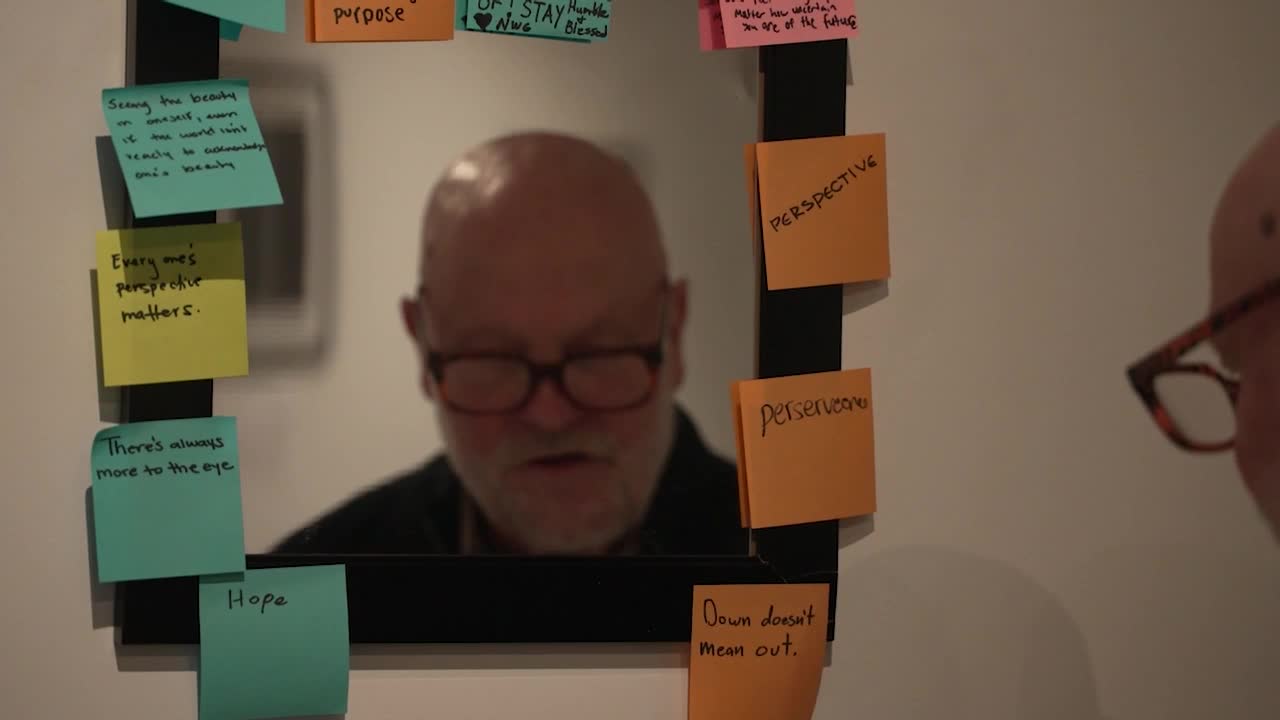
The organization’s approach centers on storytelling through podcasts, art exhibits and community events — including a gallery in downtown Denver focused on the voices of those who have experienced homelessness.
“We’re really aiming to open people’s hearts and minds to the fact that we’re all humans having our own human experience,” Flood said. “The most important to our work is, how do we lift up the voices, stories and activate lived expert leaders in our community … and ensure that they’re the primary folks working on the solutions.”
Flood said interviews with dozens of unhoused adults revealed it could take three to six months, on average, to find help beyond immediate food and shelter. In response, the group piloted a Community Resource Connection Hub at the Westwood Community Center, staffed by members of the neighborhood with lived experience navigating homelessness.
“A lot of things can happen in those three to six months,” Flood said. “We wanted to reach people earlier and prevent people from having to experience homelessness, if we could, or make it brief and temporary.”
Their research also highlighted the unique challenges facing older adults without shelter.
“In many cases, mobility is a big problem because they may or may not have health challenges just getting around,” said John Olander, who once experienced homelessness and now has permanent housing. “Absolutely [it’s challenging to ask for help], because in most cases, they’ve done it themselves all their life. And in fact, that was my biggest personal challenge.”
Olander said pride can prevent people from seeking support.
“When you get to be my age, and then all of a sudden, you got to ask somebody to give you a handout … you don’t want to do it," he said. "It’s pride, and it’s also stupidity."

Flood noted the compounding effects for older adults who often live on fixed incomes in the face of rising costs, health events and personal losses. Many, she said, experience homelessness for the first time later in life.
“These folks just will not give up, and they’re so resilient and persistent and hopeful,” Flood said. “Most of these stories are about resilience and hope, community and connection, and that’s exactly what I want to foster.”
For Olander, sharing personal stories has been part of his recovery and advocacy.
“That experience of talking to others and getting it out helps everyone,” he said. “It’s just a privilege to be a part of the solution.”
Through art, conversation and community spaces, Elevated Denver hopes to turn individual experiences into collective action — and change perceptions about homelessness along the way.
“We just want them to open themselves up to the possibility of seeing life through somebody else’s experience,” Flood said, “and through all of our work … open their hearts and minds.”

