



DENVER — Denver's Department of Housing Stability is preparing to activate its cold weather shelter program for up to 80 nights this winter, as leaders briefed a city committee on its plans Tuesday for the 2026-27 cold weather season alongside updates on a new emergency family shelter opening later this year.
Cole Chandler, executive director of the Department of Housing Stability, told the Community Planning and Housing Committee that last winter was significantly milder than the year before, which affected how many people used the shelter system. In the 2024-25 season, the city activated cold weather shelters for nearly 70 nights. Last winter, that number dropped to under 40.
The number of extremely cold nights also declined sharply. The 2024-25 season saw 10 nights with temperatures below 10 degrees; last winter saw only three. There were three total days below zero in 2024-25, compared with just one last winter.
That milder weather translated into lower shelter use, according to Chandler. The city served about 420 adults on an average night during the 2024-25 season, compared with about 320 last winter.
On the coldest night of the 2024-25 season, 780 people sought shelter; last winter, that peak was about 589. Family shelter usage also declined, from roughly 200 families served on average in 2024-25 to about 100 families last winter, with maximum family capacity dropping from 400 to 200.
For the upcoming season, Chandler said the city is preparing for up to 80 activation nights, with regular capacity to serve 600 adults and 200 families through its 24/7 program.
Denver changed its activation thresholds in 2024 at the request of City Council. Under the current policy, cold weather shelters activate when overnight temperatures are forecast to drop to 25 degrees or below, or when two inches or more of snow is forecast for the area. Chandler said the change has made a real difference.
"They've had a huge impact in terms of our ability to serve people and keep people safe," he said.
Chandler also reported progress on reducing the family shelter waitlist, one of three goals the department set last year, alongside ensuring no child sleeps outside in Denver and reducing family homelessness by 20%. The waitlist has dropped to 170 families, down from more than 400. "We want it to be zero, of course, but 170 is, you know, down from over 400 is a significant victory," Chandler said.
The average wait time for shelter placement is now 37 days, down from about 50 days less than a year ago. Chandler said 93% of households that have come to the city seeking shelter and housing have received it, though he said federal and state housing cuts are extending how long that takes. "It's just as federal and state housing resources are drying up, in terms of state housing vouchers, federal housing vouchers, it just takes longer," he said.
Denver7 reached out to the Denver Housing Authority to ask about housing vouchers — a spokesperson provided the following statement:
Denver Housing Authority (DHA) opened its HCV Lottery, for 48 hours on September 17 and September 18, 2026. The Housing Choice Voucher, formerly known as Section 8, is a housing subsidy program that is funded by the federal government to assist very low to low-income families with affordable housing. DHA has a limited number of housing vouchers. Because of limited federal funding, DHA did not select names from the HCV lottery in 2025 or 2026. Based on current funding, DHA may not be able to select names from the 2027 lottery. Even with these federal cuts, we continue to work to find affordable housing options that help support the people and families we serve. For other housing options, families can explore DHA properties [linkprotect.cudasvc.com] with site-based waiting lists and apply online. DHA will continue to watch for changes in funding and the number of vouchers available. If more vouchers become available, we will share updates on our website. DHA will know if there is housing availability via the HCV Lottery in Q2 of 2027.
Loretta Owens,, DHA Director of the HCV program
During this week's presentation, HOST officials also spoke about a new emergency family shelter set to open later this year at 4280 Columbine St. in Council District 9.
The site will accommodate up to 20 families, or about 60 individuals.
Chandler described the facility as semi-congregate, with shared bathrooms and eating areas but some private space for individual families, along with an outdoor area for children. He said the location is not intended as long-term housing, but as an entry point where families can be quickly connected to other resources.
Because the shelter is new, Chandler said the city isn't setting firm rules yet on how it will operate. "This is new, so it's, we don't know what's going to happen. It may stay largely empty, it may be overflowing," he said. "We would like to see people stay there no longer than 30 days, but we're just going to have to wait and see."
A service contract for the shelter is expected to come before council later this fall.
Chandler also addressed a separate proposal for a shelter at the Monroe site, which was formerly the Monroe Village tiny home community.
Amy Beck, founder of Together Denver, told Denver7 she and members of the unhoused community still have a lot of questions regarding that plan.
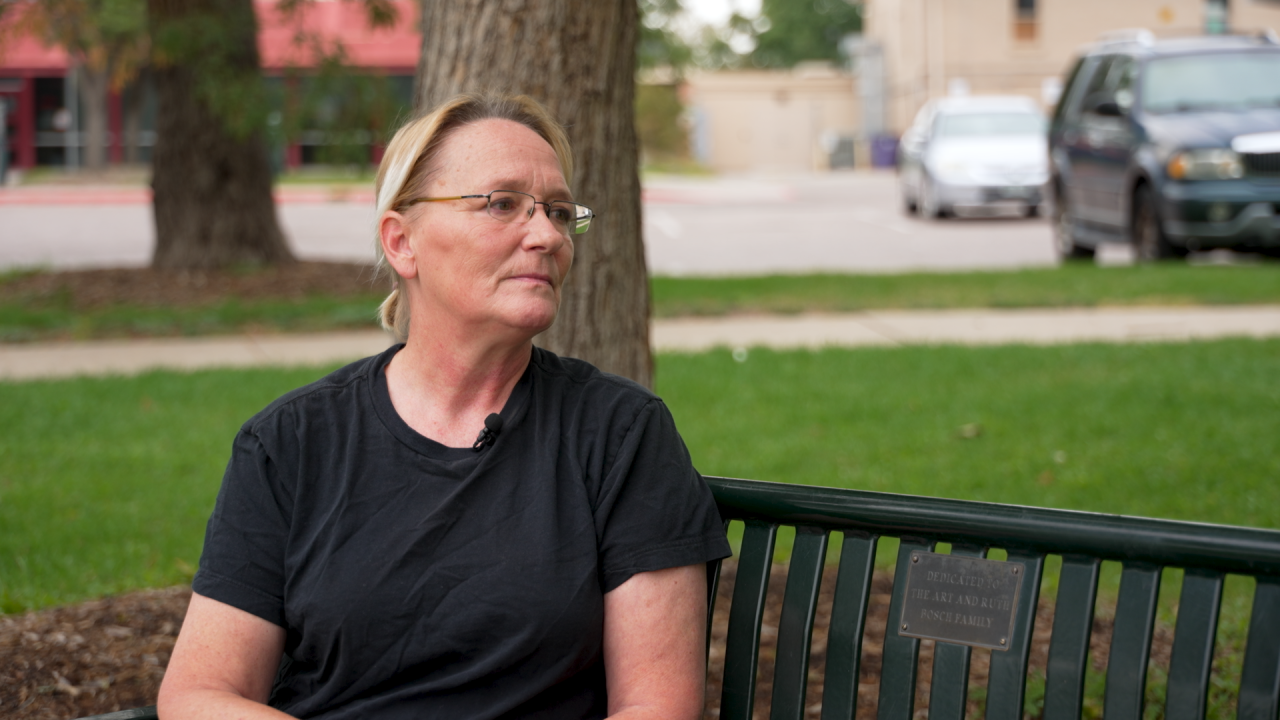
"Cold weather shelter saves lives," Beck said. "It's really important that we provide adequate shelter so people can come inside when it's freezing temperatures. We often see a lot of frostbite and hypothermia on the streets during cold weather events."
Beck said adequate shelter means having enough space spread across the city, not concentrated in one place. "Community has asked the mayor's office and HOST for a long time to have smaller, dedicated, 24/7 cold weather shelters located all throughout the city," she said. "We don't think it's a good idea to warehouse people in one single location. It doesn't serve the best needs of our unhoused community."
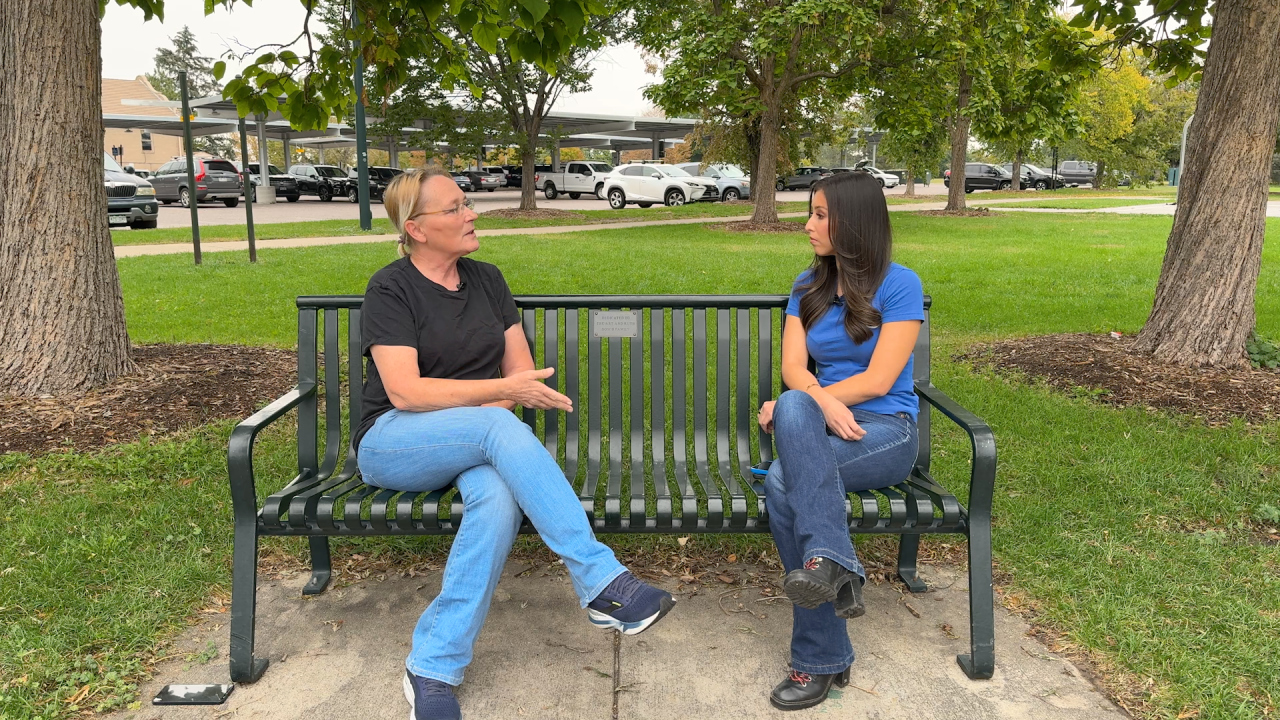
Beck said she's also seen the city's approach to activating and deactivating shelters create confusion for people trying to find safety. "What we've seen in the past is that cold weather shelter pops up randomly in different locations, and that doesn't work for the unhoused community," she said. "They really need a reliable place to be that they know they can go to when the weather gets really cold."
She said the city's use of recreation centers for temporary shelter has also caused problems, since people need indoor space during the day, not just overnight. "Using rec centers in that dual role has not worked well," Beck said. "It's caused a lot of chaos."
Despite that, Beck described how she helps when temperatures get frigid.
"I really just kind of move into triage mode at that point, and I reach out to people that I know that are on the streets that actually have a phone, and I let them know where they can be," she said. "I make sure that they have a plan to get there."
She said access remains a major barrier for people experiencing homelessness in parts of the city far from an open shelter. "It's really difficult when there are people that are living in South Denver, and the only shelter that's available is in North Denver," Beck said. "So what I often do is I help people to shelter in place and have the resources they need to be able to exist on the street and stay safe."
She said the stakes of getting it wrong are severe. "It's very dangerous for people living on the street, because that is when they often experience frostbite or some other type of condition," Beck said. "It's just a very unsafe situation."
Beck said she started preparing for this winter about a month ago, ahead of the city's own planning process. "We're already planning our coat drives and our blanket drives, and planning for packets that we can hand out to people, emergency packets that they can have during severe weather activations."


Denver7 is committed to making a difference in our community by standing up for what's right, listening, lending a helping hand and following through on promises. See that work in action, in the videos above.