



Editor's Note: We have corrected Monica Duran's name in this story.
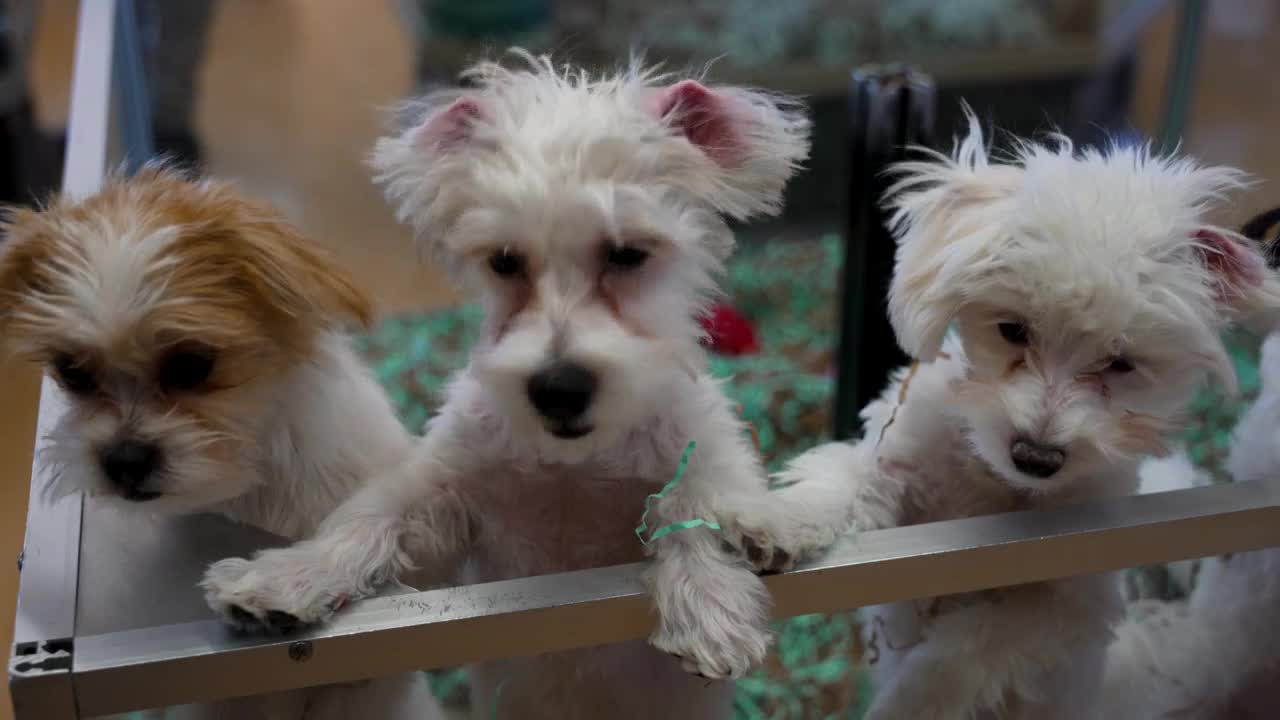
DENVER — Colorado lawmakers are advancing a controversial bill that would ban pet stores from selling dogs and cats statewide, a move supporters say would shut down what they call the “puppy mill pipeline.”
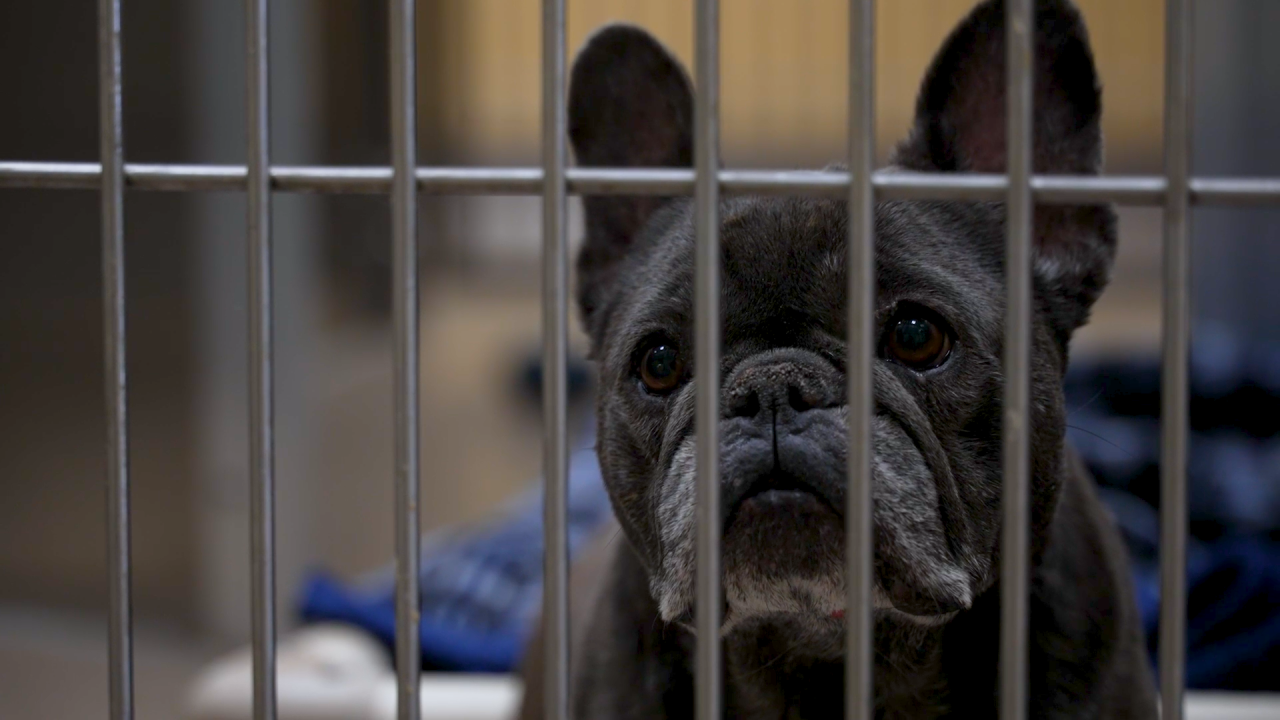
House Bill 26-1011 cleared its second reading in the Colorado House on Thursday and now heads to a final vote before moving to the Senate. If passed and signed into law, the measure would prohibit pet stores and brokers from selling dogs and cats starting Jan. 1, 2027.
Supporters say the bill is aimed at stopping pet stores from sourcing puppies from large-scale commercial breeding operations.
House Majority Leader Monica Duran is one of the bill’s sponsors. She said many municipalities across Colorado have already passed similar ordinances and the bill would create a consistent statewide policy.
“When we talk about inhumane conditions, that’s what we’re talking about with large-scale breeders,” Duran said. “We’re not talking about hobby breeders.”
The bill would still allow animal shelters and rescues to adopt out dogs and cats, and it would not prohibit sales directly from private breeders.
But in Centennial, Perfect Pets owner Jens Larsen says the legislation could force him to close his family-run business.
“It is a family business. Mainly, it’s me and my daughter Rose,” Larsen said.
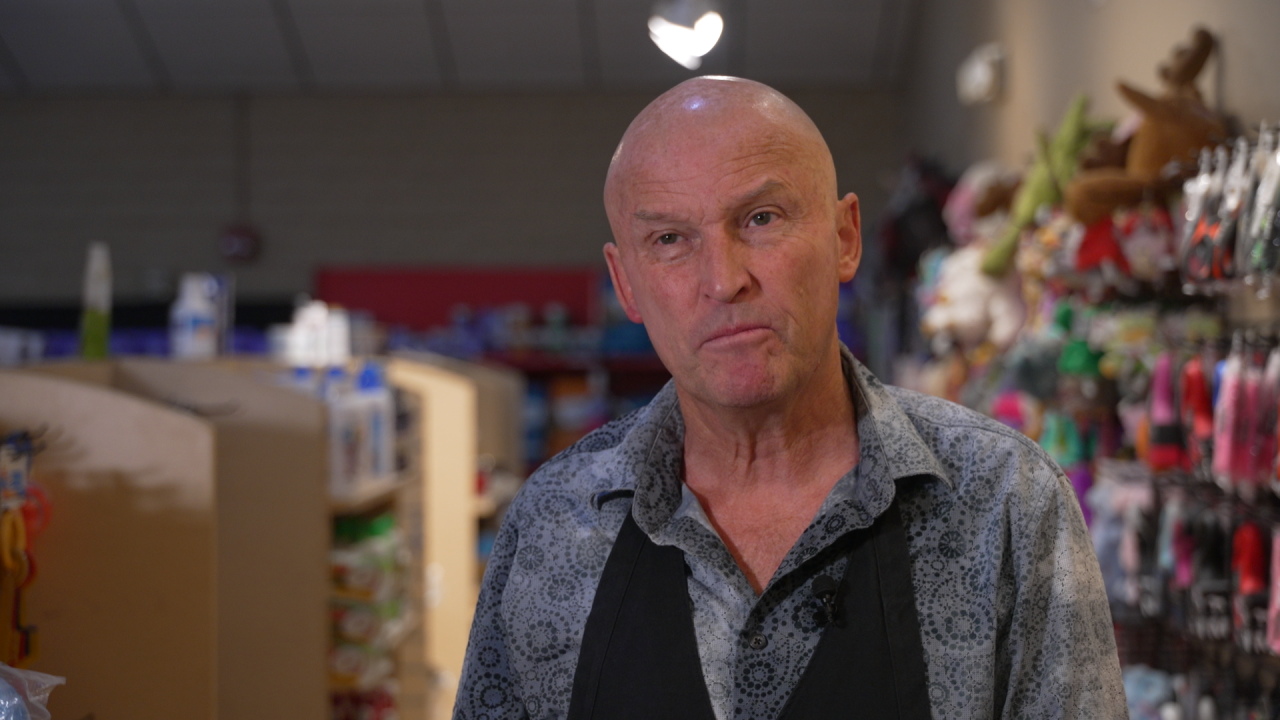
Larsen said Perfect Pets has operated since 1993 and has been at its current Centennial location since 2014. He said the store works exclusively with breeders that are licensed and inspected by the U.S. Department of Agriculture and the state.
“All of our puppies are only from USDA and state inspected facilities, also known as kennels,” Larsen said.
He takes issue with the term “puppy mill,” which supporters of the bill have used to describe large-scale breeding operations.
“The derogatory term that people are currently using is called puppy mill, which implies dirty, unsanitary, nasty conditions,” Larsen said. “We believe that’s totally incorrect, because again, they’re licensed and inspected.”
Larsen said his store provides veterinary checks, health records and a one-year warranty for congenital or hereditary conditions. He argues the bill does not distinguish between responsible, regulated pet stores and bad actors.
“If it does pass, we would no longer be allowed to buy our puppies from licensed and inspected breeders,” Larsen said. “It would totally put us out of business.”
Duran said the intent of the bill is not to force stores to close, but to change how they operate.
Duran pointed to other pet stores that have shifted to selling merchandise, hosting adoptions or altering their business models.
“We’re not telling them they have to close,” Duran said. “Just be creative. Do what others have done.”
“90% of our business is selling puppies,” said Larsen. “We have no interest in changing our business model, and don't see any reason that we should, because we do nothing wrong. We follow all the rules that are in place.”
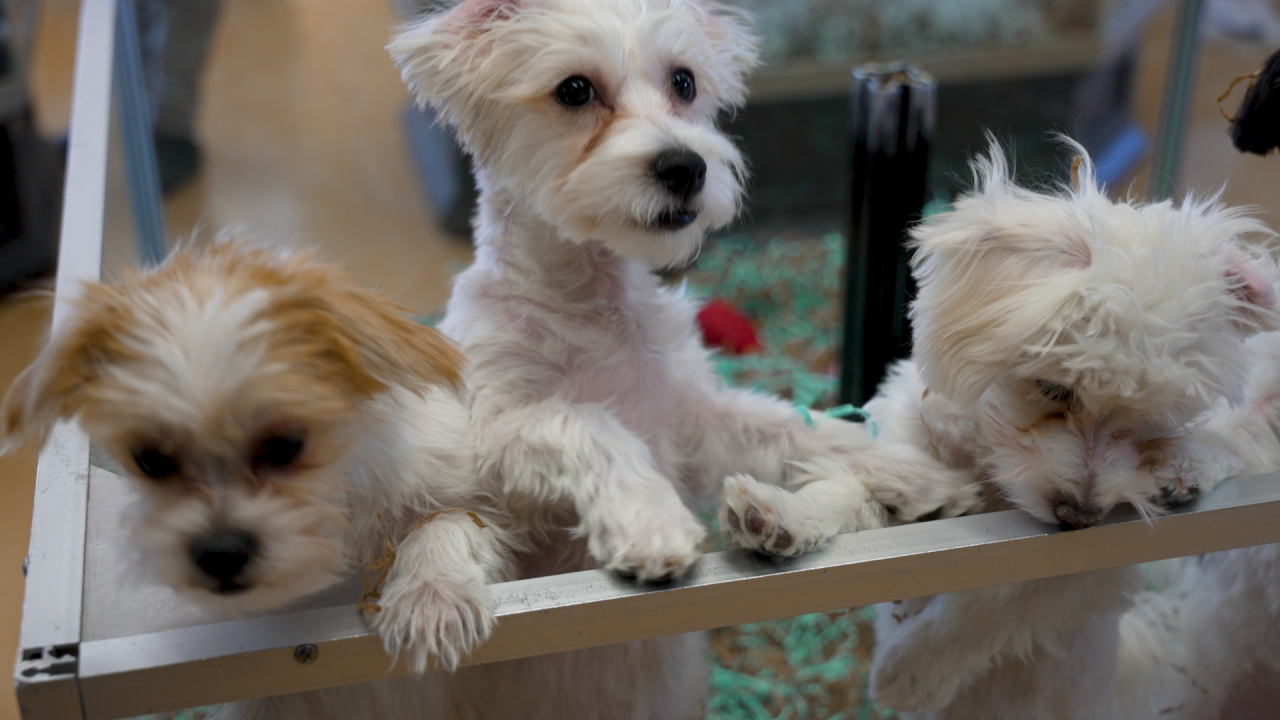
The bill’s supporters say it is a step toward improving animal welfare, even if it does not address every issue.
“Is it taking care of everything? Absolutely not,” Duran said. “It won’t. But it’s a first step and a step that we have to take.”
Larsen said that he feels pet stores are being unfairly targeted.
“I don’t even understand why I have to defend a business that is licensed, regulated, legit and does everything according to the laws,” he said.
The bill is scheduled for a third and final vote in the House before moving to the Senate for consideration.
