

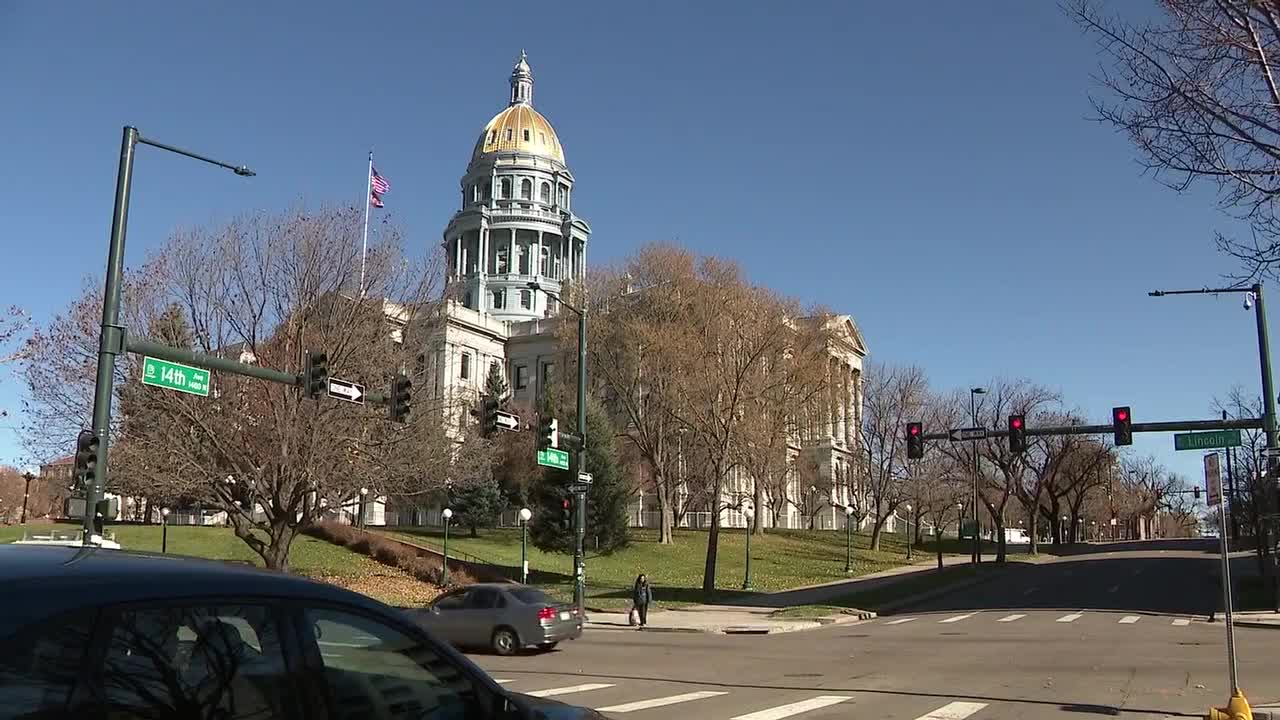


DENVER — With a 4-3 vote, a bill that would allow certain offenders in Colorado to petition a court to reconsider their sentence advanced out of the Senate Judiciary Committee on Wednesday afternoon, following passionate testimony from former inmates and fierce opposition from those who believe victims would be put on the back burner as a result.
Senate Bill 26-115 would only apply to inmates who committed a crime when they were younger than 21, or those who are 60 or older. In both instances, the offenders must serve at least 20 years of their sentence before they can seek such a hearing.
Certain crimes would not be eligible for the second look hearing. Those include crimes that resulted in life without the possibility of parole sentences, inmates convicted of sex offenses, and crimes against children or first responders.
State Sen. Julie Gonzales, D — District 34, is the prime sponsor of the legislation. She told the Senate Judiciary Committee it would allow a judge to consider who a person is currently, while giving offenders the hope needed to encourage personal growth while incarcerated.
Gonzales is running the bill alongside State Sen. Mike Weissman, D — District 28, who said that sentencing is passing judgment on a person in the moment, but argued that decades later the emphasis should be on who the person has become.
A number of former inmates testified in support of the bill, sharing their own personal stories and explaining how they have changed over the years.
One of those people was Patrick Sanchez, who said he was 17 years old when he shot another person in the leg, and was convicted of attempted murder. Sanchez said he was sentenced to more than 100 years in prison, but was released early last January.
While incarcerated, Sanchez experienced the loss of a child, and said it completely changed his perspective.
"I like to say that I, with my actions and my choices, I behaved my way into prison. And when I thought nobody was looking, and making that conscious decision to do better and be better, I feel like I behaved my way out of prison," Sanchez said.
Denver's Micah Smith explored the intricacies of restorative justice during an episode of"Real Talk," where two of the people who testified in support of SB26-115 shared their story:
Sanchez supports SB26-115, believing it will provide a light at the end of the tunnel for people staring down sentences that last decades.
"We can't take it back, but what we can do is be the best person that we can. You know, moving forward, we can honor and pay homage to our victims by doing the right thing," said Sanchez. “There's so many men and women in there that are beyond deserving, far more than I am. But I'm here, so that's why I'm here. I'm here to be the voice for them, for those that can't be here.”
Meanwhile, representatives from the 23rd Judicial District spoke out against the bill, calling it a "massive step in the wrong direction" and a "betrayal of victims."
District Attorney George Brauchler said the purpose of sentencing is punishment, not rehabilitation.
Senior Deputy District Attorney Nate Marsh said he tells victims at the start of any case that he will not be able to achieve justice for them because of Colorado laws. Marsh said this law would only make his job more difficult, and urged lawmakers to vote 'no' because the bill will strip the finality of a resolution from victims.
During Wednesday's hearing, the sponsors told the committee the bill would prevent individuals from filing repetitive litigation, and reiterated that a judge would never be required to release an offender applying under the second look.
According to the fiscal note on the legislation, which compiled data from the Colorado Department of Corrections to determine how many inmates this would impact, there are approximately 98 offenders younger than the age of 21 when they committed their offense who have served over 20 years of their sentence. 203 offenders are 60 or older and have spent more than 20 years behind bars. Out of those two groups, 164 received murder convictions without the possibility of parole, meaning they would not be eligible for the sentence reconsideration.
That leaves 137 individuals who would be eligible to petition the court under the conditions of SB26-115.
The two Republicans on the committee, State Sen. Lynda Zamora Wilson and State Sen. John Carson, voted against moving the legislation forward, along with Democratic State Sen. Dylan Roberts.
SB26-115 heads to the Appropriations Committee for consideration next.


