

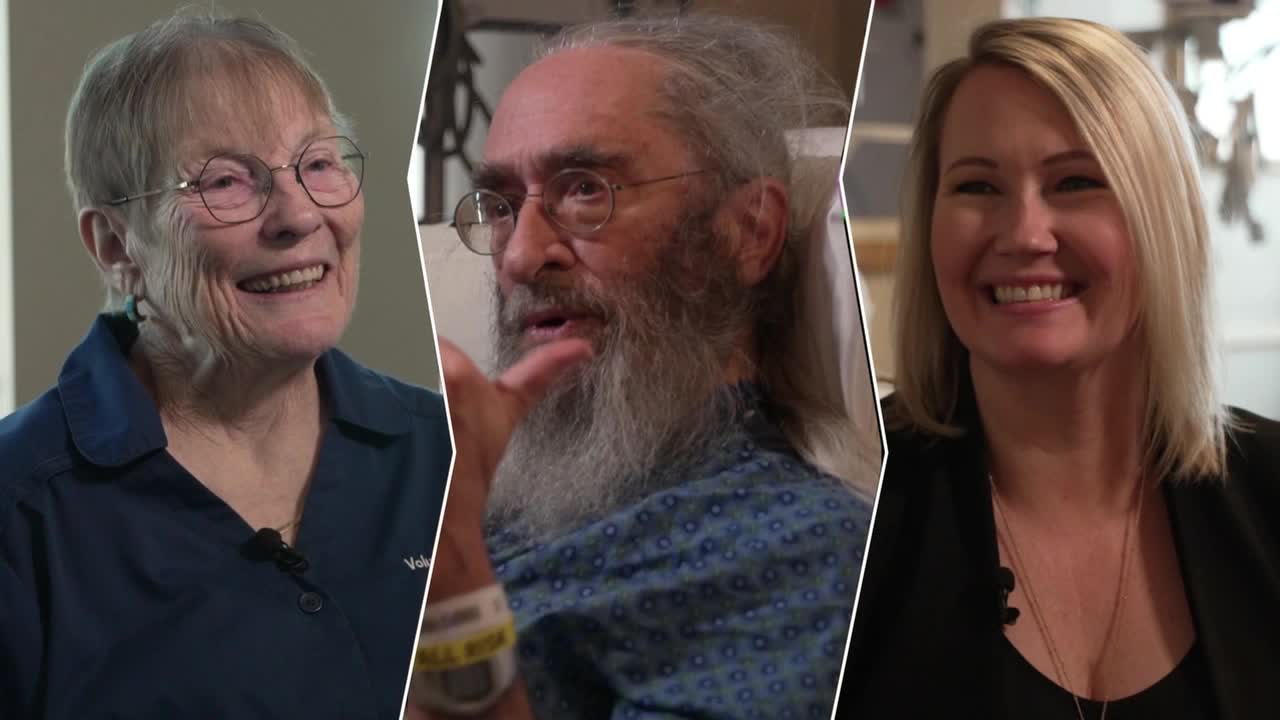


LAFAYETTE, Colo. — A new pilot program at Good Samaritan Hospital in Lafayette is helping older adults stay active, engaged and socially connected during their hospital stays — and early results have staff and patients optimistic.
The “ACE Unit,” short for Acute Care for the Elderly, is the first of its kind at any Intermountain Health hospital. Launched in April 2025, it’s designed to deliver specialized care to a growing population of older patients, focusing on mobility, nutrition and mental stimulation during recovery.
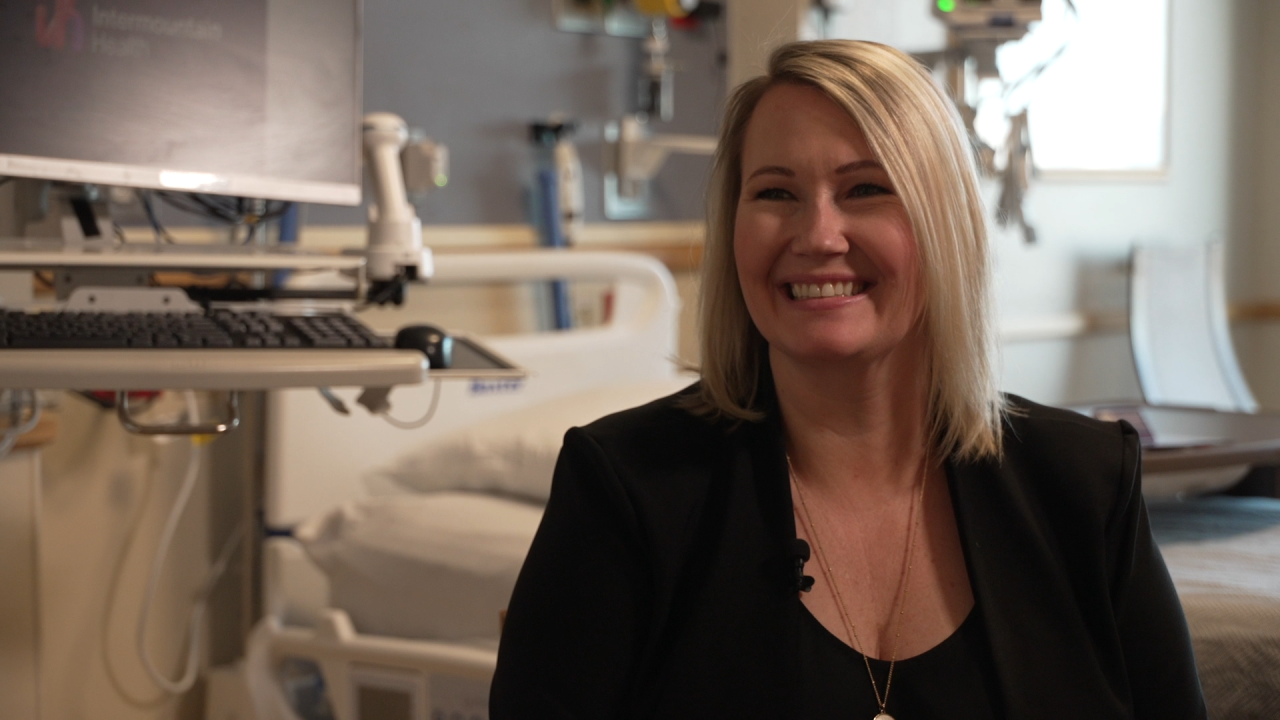
“There was a need for specialization of our unit for geriatrics, so we see that there's this growing population of elderly patients near us and in our hospital, and we needed to identify that population and really meet the needs of that specific demographic,” said Clinical Nurse Manager Mary Cisneros. “The ultimate goal is to give best in class care to these patients.”
The care team conducts daily interdisciplinary rounds to address medical concerns quickly and keep patients and families informed. “It gives a chance for the patient and families to ask questions or learn what the plan of care is from each team member,” Cisneros said.
In less than a year, the unit has already seen measurable improvements.
“We have seen improvement in a reduced length of stay for our patients at the hospital, we've seen significant reduction in readmission rates,” Cisneros said. “We’ve also seen an increase in our mobility rates, so patients are getting up and moving around, which helps reduce functional decline while they're at the hospital… we’ve seen a decrease in our pressure injuries and reduction of fall injury.”
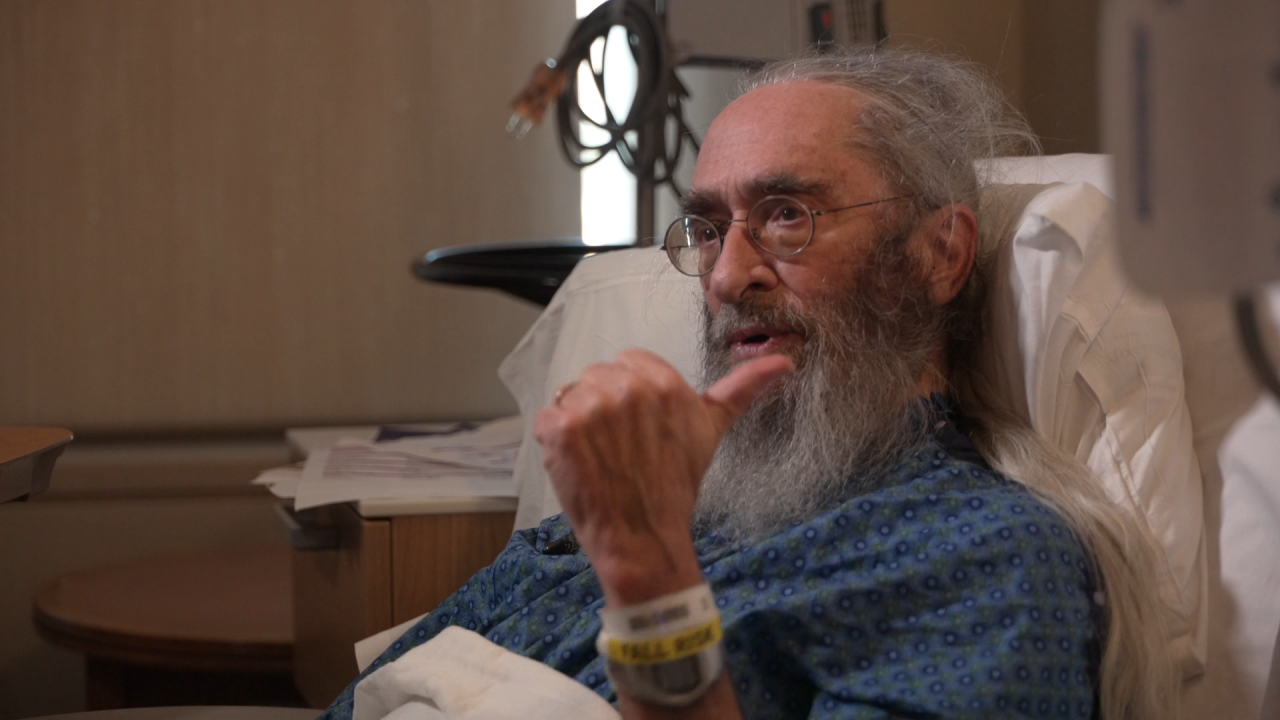
For patients like Daniel Cross, the program has made a difference in just days.
“I had a stroke. I woke up 10 days ago and I couldn't walk,” Cross said. “Yesterday, I walked in the corridor, and today, again, I walk in the corridor a lot longer… I’ll do that every day, twice, six, five times a day, rather than sit here.”
Beyond medical staff, volunteers play a key role in the ACE Unit’s success.
Kathy Schulz, who is in her 70s, visits patients daily to offer companionship and mental stimulation — sometimes through conversation, sometimes with activities like puzzles.
“One of the things that they wanted to promote, in addition to the walking, was stimulation of the brain,” Schulz said. “I have a knack for sensing when someone needs a little bit of TLC… I make a connection with them.”

Schulz says her age helps her relate to patients on a personal level.
“I understand some of the things that they've gone through, and understand the aches and the pains and things that they experience that a younger individual talking with them wouldn't necessarily know,” she said.
Patients have noticed the difference.
One note Schulz received from a patient read: “Kindness is a novelty in this world, but it is certainly a shining star at Good Samaritan. Thank you to all the staff.”
Cisneros says programs like ACE are addressing the real challenges older adults face in hospitals, including risks of infection, functional decline and delirium.
“We need to be proactive in meeting their needs,” she said, “and really starting to look at our care delivery so that we’re implementing units like this more widespread.”
After piloting the ACE Unit, Intermountain Health hopes to eventually roll it out to every hospital in its system.

