



AURORA, Colo. — A 2-year-old Kansas girl is recovering at Children's Hospital Colorado in Aurora after being bitten by a rattlesnake in the thigh just days before her aunt's wedding weekend.
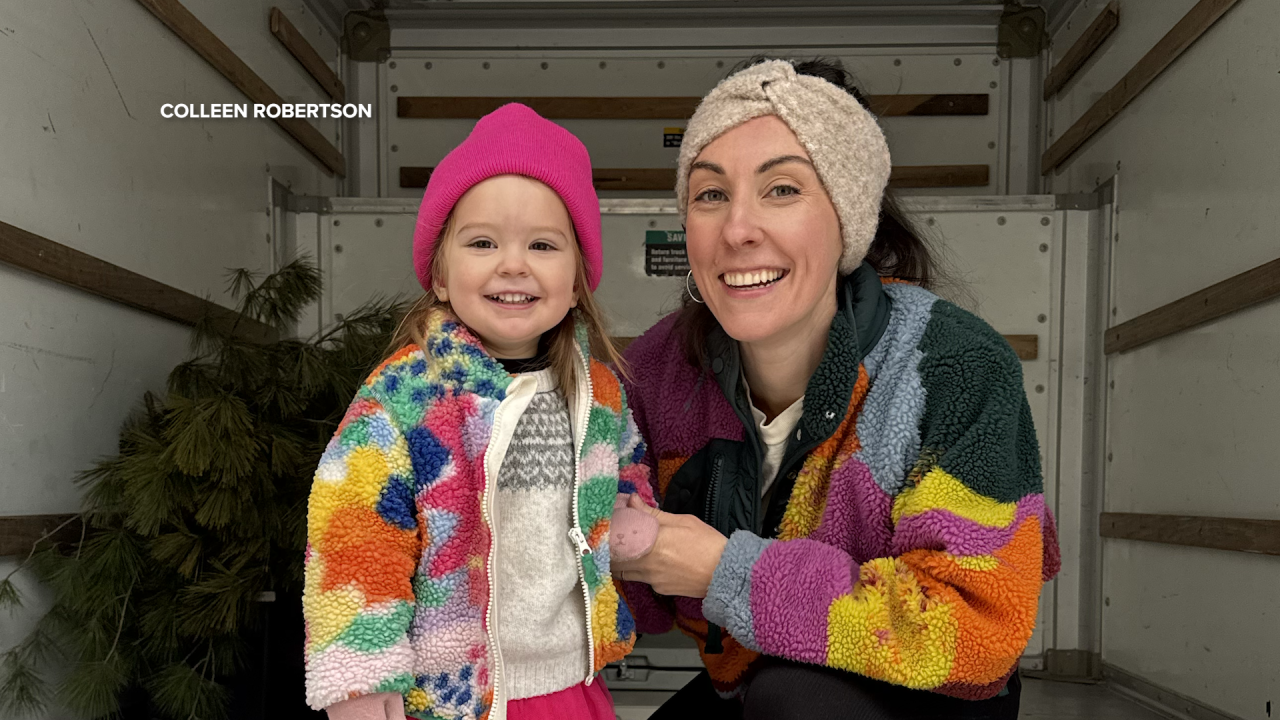
Quinn Robertson had traveled with her parents from Kansas to Bennett, Colorado, where the family was staying at an Airbnb ahead of the wedding. Quinn had been preparing to serve as flower girl.
Denver7's Colin Riley spoke to Quinn's family about their situation in the video player below:
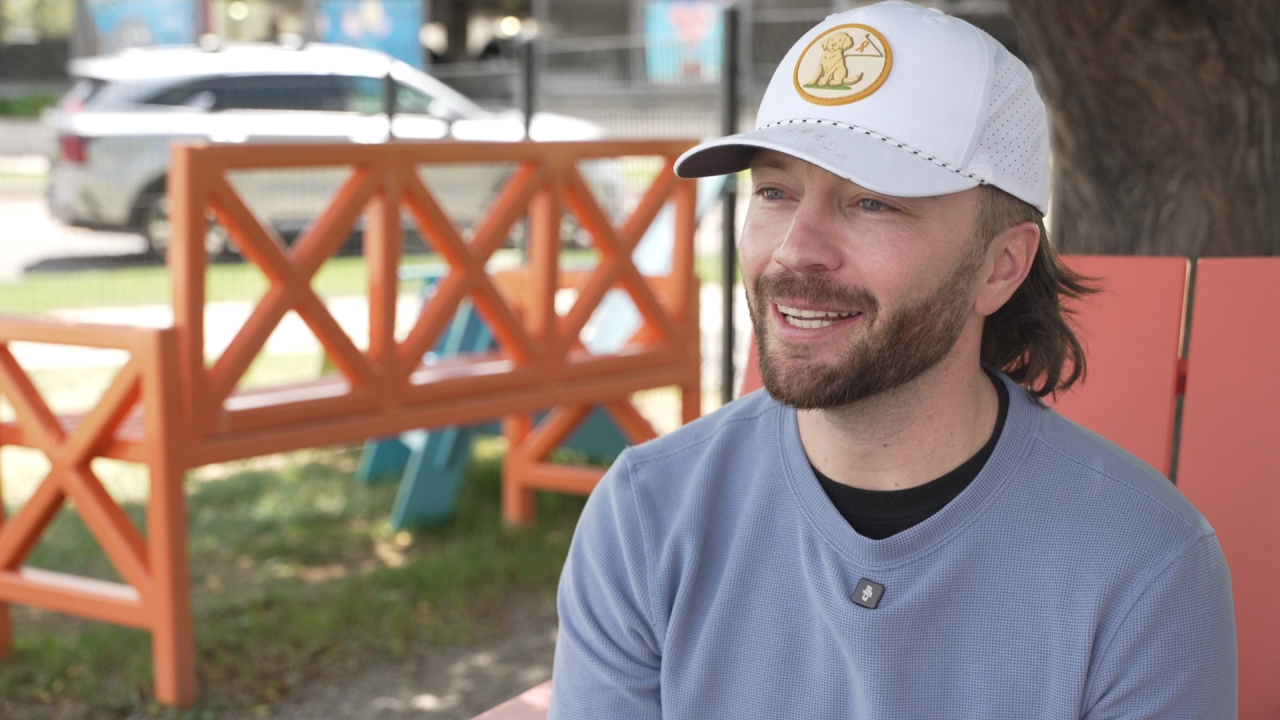
"They've been practicing for the last month or so on their walk down the aisle," her father, Brett Robertson, said.
On Monday, Quinn and her mother, Colleen, stepped outside to look at horses near the property when the bite occurred.
"My wife, Colleen, and Quinn just walked a couple hundred feet out to go view the horses, and my wife heard a little cry from Quinn," Brett said.
Quinn had accidentally stepped on a rattlesnake.
"She kind of told us that she didn't see the snake until after it bit her," Brett said.
Emergency crews arrived within minutes, but Colleen — who is eight months pregnant — had to begin life-saving measures before help arrived.
"Watching your daughter lay in a driveway out in the middle of nowhere on her back, going in and out of consciousness, watching your wife, your eight month pregnant wife, give her CPR and chest compressions mouth-to-mouth," Brett said.
Quinn was airlifted to Children's Hospital Colorado in Aurora. Brett and Colleen drove separately, not knowing what they would find when they arrived.
"Not knowing, it was the hardest drive I'll ever make. Or not knowing what's on the other side... what we're gonna see," Brett said.
The first few days were harrowing. Quinn needed 30 vials of anti-venom and round-the-clock care from hospital staff.
"No words to express how grateful and supported we feel through this whole thing, the power of prayer, we're, you know, a Catholic family that really puts our faith in God," Brett said.
Quinn is now stable and returning to her normal self, though her road to recovery is ongoing. There is no word yet on when she will be able to return to Kansas.
"She's a tough, tough cookie," Brett said. "She's a warrior."
The Robertson family has set up a GoFundMe to help with Quinn's recovery.
Update: May 30, 1:26 p.m. Per the family's GoFundMe: "A good night and better morning! Things are looking better and we can breathe a sigh of relief now that Quinn has been moved from the PICU. Quinn’s cousins were allowed and have been enjoying popsicles, seeing how big and brave Quinn is, playing play dough.
The full damage is unknown. She was bit twice, very deep and lots of tissue damage. Full recovery will be long and long term damage unknown at this point but she is no longer fighting for her life."
What to know about rattlesnakes in Colorado
Colorado Parks and Wildlife says rattlesnake encounters increase in the warmer months.
"We do see an uptick in April, May, June, when it's warmer, where they're out on the trails," Larry Butterfield of Colorado Parks and Wildlife said.
Butterfield said snakes are most active early in the day as temperatures rise.
"The snakes move out to sun themselves and to warm up, you know, early in the day, and as the day gets warmer," Butterfield said.
Most bites happen when people get too close.
"When somebody gets too close, so lots of times they're not giving them their distance that they deserve, they'll just get inside their space, and sometimes people just aren't aware that they're around," Butterfield said.
Butterfield offered several tips for staying safe on the trail.
"It's good to hike in groups, it's good to have your children with you, have your pets with you," Butterfield said. "If you hear something, it's good just to stop where you are and look around and see where the snake is, and oftentimes once you hear it and you kind of give it some, some space."
He added that a rattling snake is not being aggressive — it is afraid.
"It's doing that because it's scared, and it's trying to protect itself," Butterfield said.
His overall advice: "Use all your senses when you're out there."
If you or someone with you is bitten
Butterfield said staying calm and limiting movement are the most important first steps.
"You want to remove any jewelry or tight-fitting clothing in the area," Butterfield said. "You want to stay calm and just try to avoid any excess movement, which can be challenging if you're out further on a trail."
He also warned against common myths about treating snake bites.
"You don't want to ever cut or try to extract the venom like you see in movies, that's a myth. You do not want to use ice or heat or any type of tourniquet," Butterfield said. "You don't want to try to capture or kill the snake either."
This story was reported on-air by a journalist and has been converted to this platform with the assistance of AI. Our editorial team verifies all reporting on all platforms for fairness and accuracy.

