



Gov. Jared Polis just signed a new bill that would revamp the state’s competency law and ensure criminal defendants who are found incompetent, but could pose a threat to the public are not released.
The bill creates a pathway for those defendants to connect with mental services and provides funding to add more beds and facilities.
Watch the update in the video player below:
A 2024 law change required judges to dismiss charges against suspects who were found incompetent and not likely to be restored in the near future. Prior to that, the law stated that judges “may” dismiss charges, providing some wiggle room. The new law, Senate Bill 149, opens the door to retrials for suspects accused of serious crimes, while still allowing misdemeanors to be dismissed.
Denver7 Investigates has exposed gaps in the state’s competency law for more than a year, highlighting roughly a half-dozen cases where charges were dropped against defendants accused of violent crimes and some that resulted in the death of victims.
Polis signed the bill administratively.
“This is a major step forward to keep Coloradans and our communities safe,” Polis wrote in a statement. “It is not right for someone who is a serious danger to themselves or others to be released into the community without resources or proper care.”
The new law provides roughly $30 million in funding and will expand capacity for both inpatient and outpatient services. It also gives courts and mental health professionals tools to support individuals with chronic behavioral health needs.
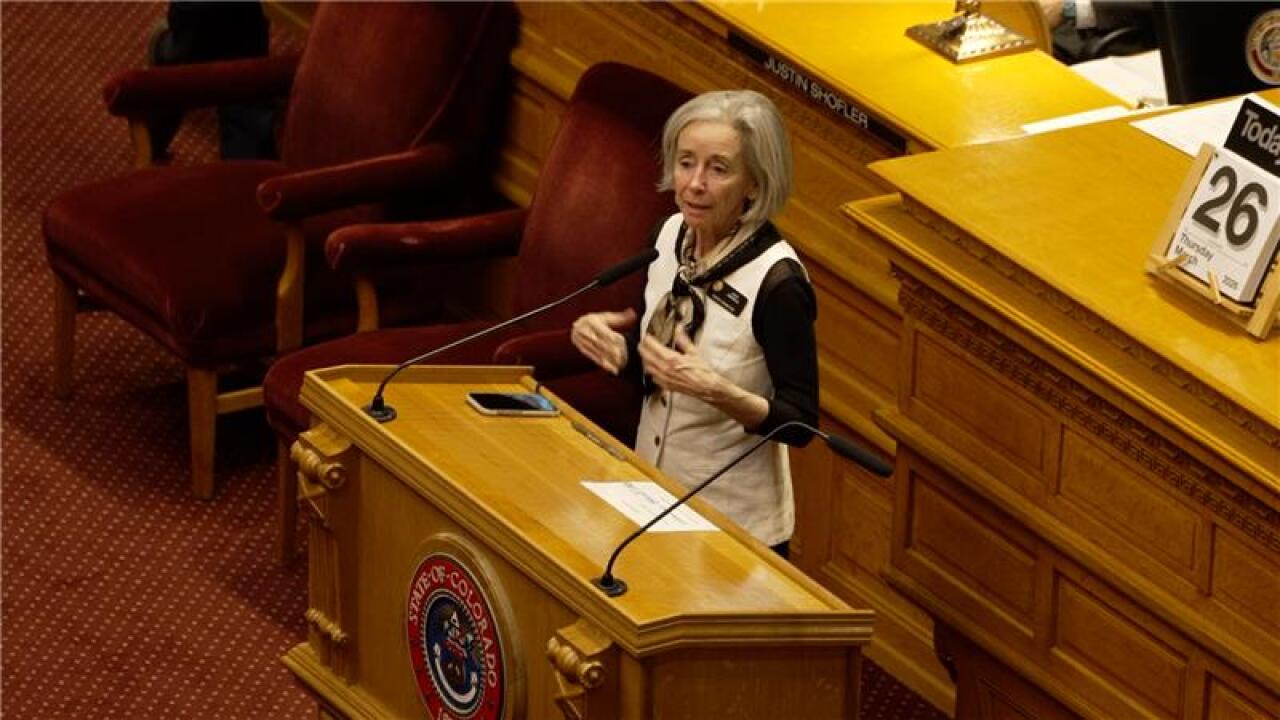
“Too often, people with intellectual and developmental disabilities or untreated mental illness are in jail not because it is the right place for them, but because there is nowhere else to go,” said State Sen. Judy Amabile, D-Boulder, one of the bill’s main sponsors. “This new law improves access to restorative treatment, protects Coloradans’ constitutional rights, and enhances public safety by ensuring that the very small percentage of people who should not be released into our communities get the treatment they need.”
A victim in case where the defendant was found incompetent, Joseph Bowman, testified multiple times at the capitol as the bill moved forward.
Bowman, along with his sister Billie Jo and mother Nelie, were involved in a serious crash in Golden after they were hit by a 2016 Chevy Malibu that ran a red light. The drive, Guillermo Ramirez, had a blood-alcohol content more than three times the legal limit. The passenger in his car, 24-year-old Brisia Leon, died in the crash.
The Bowmans all suffered serious injuries in the crash and Nelie died roughly 10 months later from complications from her injuries.
Ramirez would have his charges dropped in April 2025 after he was found incompetent to stand trial and not restorable.
Bowman told Denver7 Investigates Thursday that the bill signing was a "solemn victory."
In a statement, he said, in part, "Today, the signing of SB-149 ensured that a murderer would not be released into the community and the family he victimized will not face the same injustice my family endured a year ago. My gratitude to everyone who had a hand in this process is immense."

