

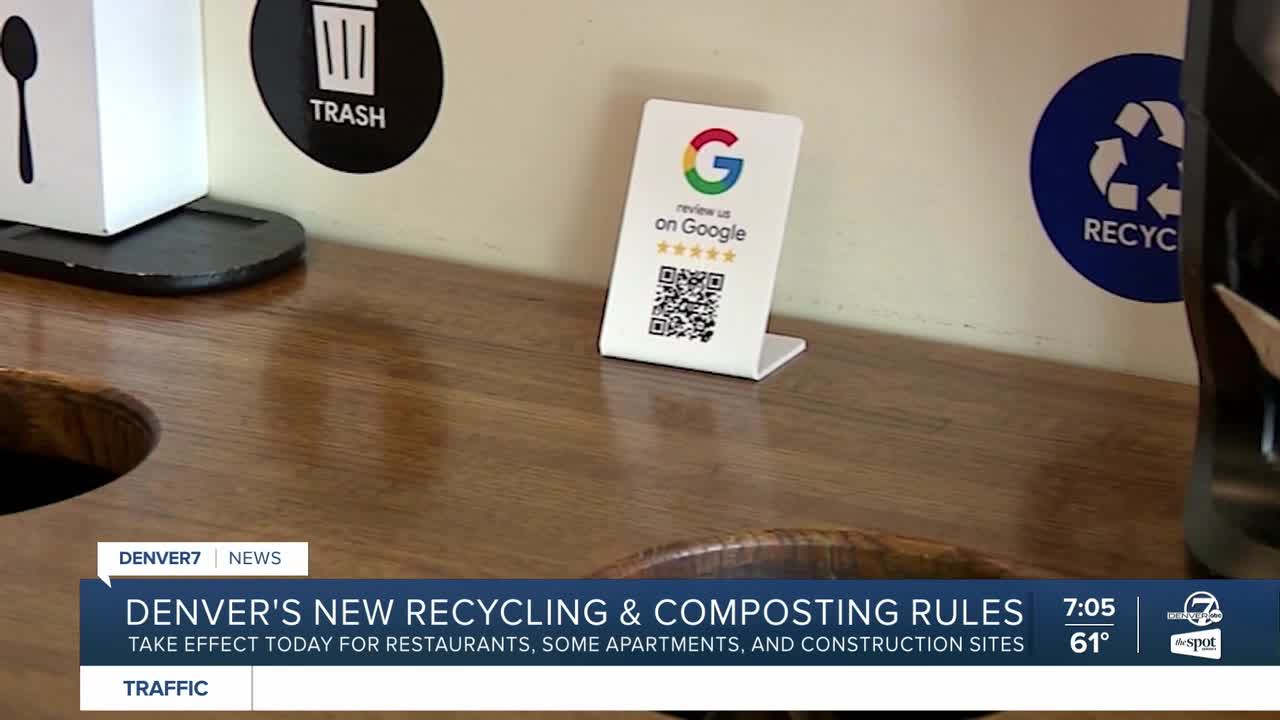


DENVER — Denver’s new recycling and composting ordinance is now in effect requiring, several types of properties and businesses to now separate trash, recycling and compost.
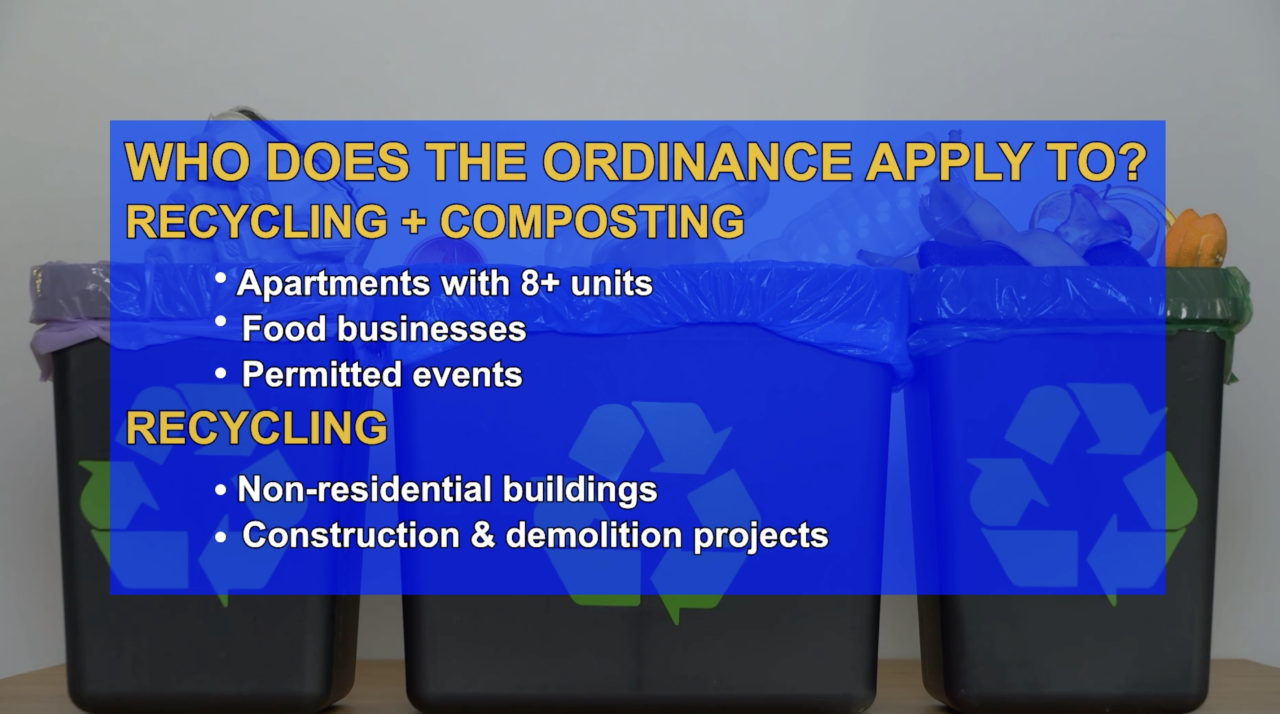
When it comes to recycling and composting, apartments with more than eight units, food businesses and permitted events will now need to have recycling and composting services.
Watch the video report below:
When it comes to recycling only, that applies to non-residential buildings, and construction and demolition projects.
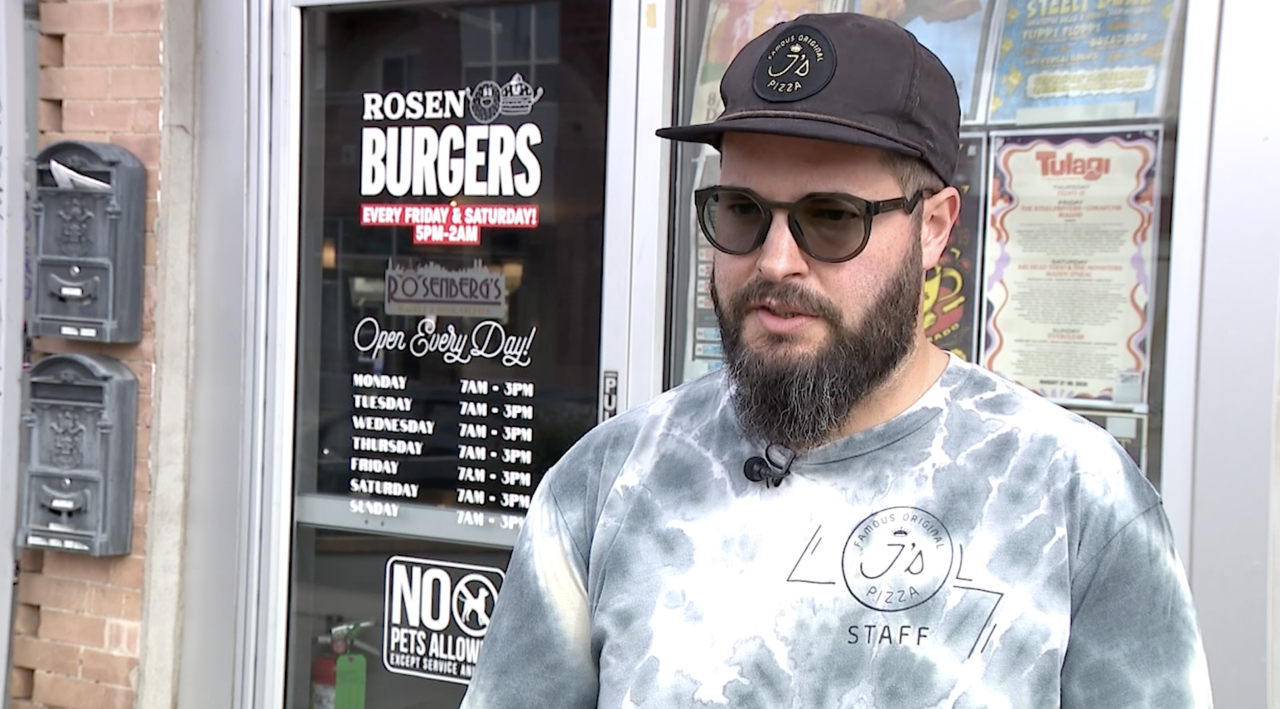
The ordinance was approved by 70% of Denver voters back in 2022. Rosenberg’s Bagels & Delicatessen has already been separating its trash, recycling and compost for more than a decade.
“I think restaurants have huge environmental impacts with their waste. From day one, we were very conscious of making sure we were recycling and composting. Hundreds of dollars a month would be the additional cost for recycling and composting, plus the labor cost to actually have to separate that,” Rosenberg’s Bagels & Delicatessen owner Joshua Pollack said.
The business next door, the 715 Club, said it supports the goal to keep waste out of landfills, but adding those additional waste categories could cost them hundreds of more dollars a month.
“We would have to add two more roll-offs. In this situation, one for compost and one for recycling. Instead of $400 a month, it'd be $1,200 a month. It's just another cost that small business owners especially just have to absorb,” 715 Club owner Sudhir Kudva said.
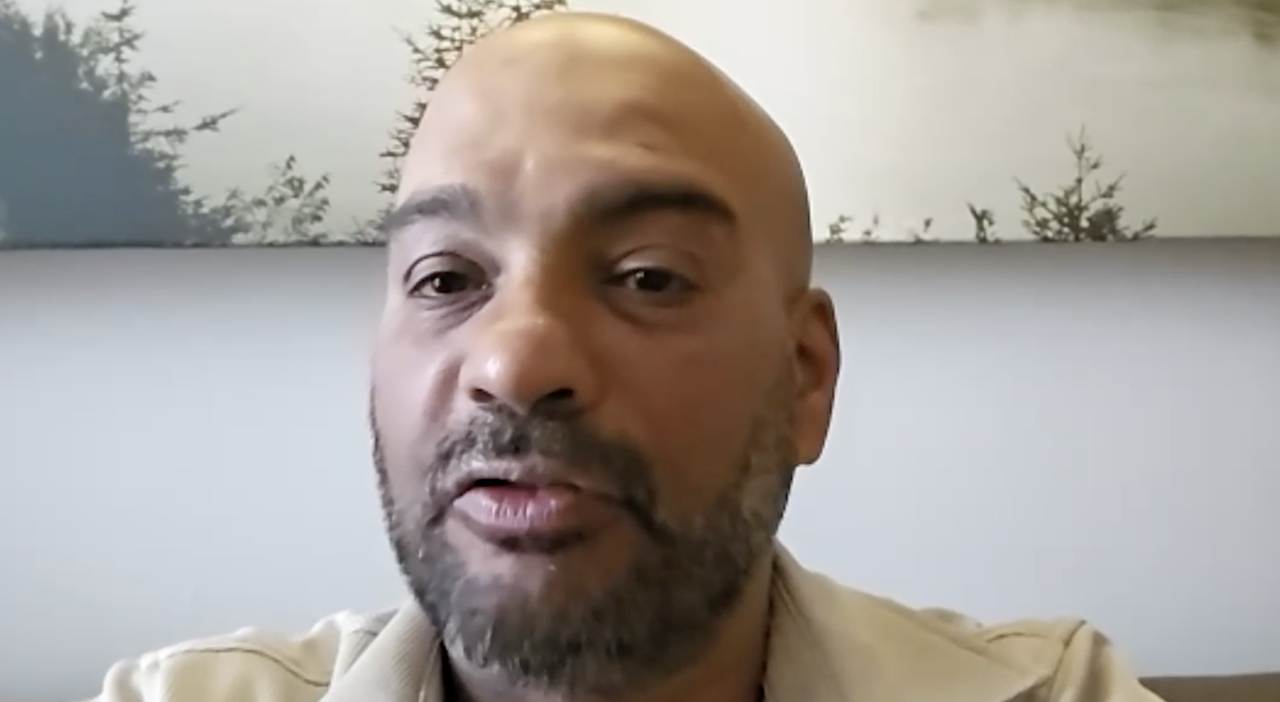
Sudhir Kudva owns several bars in Denver and said he does not have enough space to offer more waste categories.
“There's not space for two more. We'd be in the sidewalk, and the city obviously will not allow you to put a trash can in the sidewalk,” Kudva said.
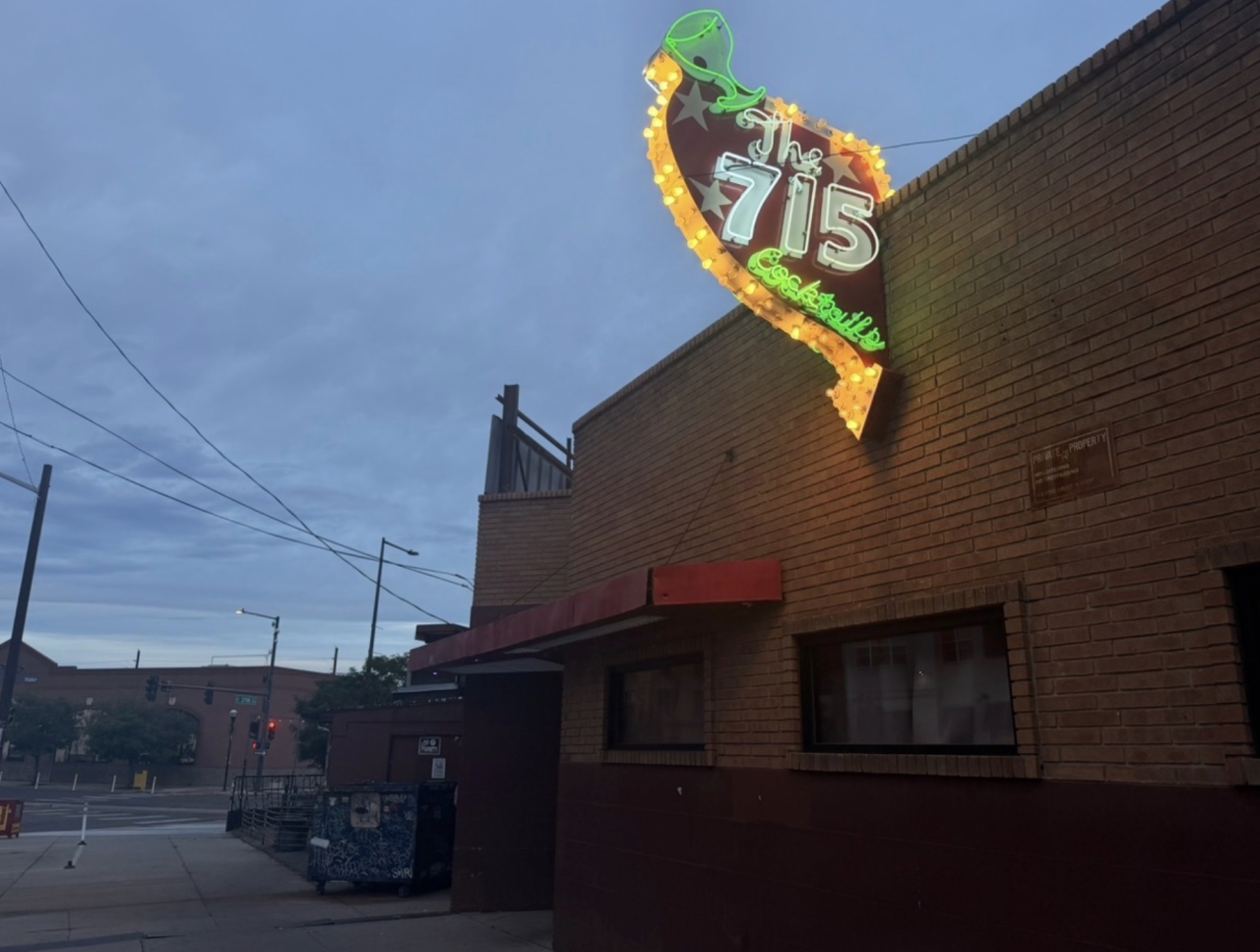
Kudva also adds that he received notice about this ordinance only a week ago.
In a statement to Denver7, Emily Gedeon, the city’s director of communications and strategic initiatives office of climate action, sustainability and resiliency, said:
“Event organizers with permitted events occurring after September 1 were directly notified of the new requirements in July. Denver sent direct compliance emails to all licensed food businesses, licensed residential rental buildings, and licensed contractors in late August. Physical notices to all businesses and buildings will go out via mail this month.”
Pollack said the new rules will only work if there’s enough capacity to process what businesses are separating.
“For a city to force people's hands in doing this and give them the increased costs, I want to make sure that we're reaching the finish line,” Pollack said.
The city said it’s taking an education first approach, meaning fines will not be the first response for businesses and buildings that are actively working toward compliance.
“That means we're aiming to support everyone as they work toward compliance instead of penalizing them for falling short,” Gedeon said.
Compliance takes place in different ways depending on the building or business type.
“For example, an event organizer will submit their waste diversion plan before they receive a permit to host an event on public property, but a food business submits and updates their plan when they apply to renew their business license with the city,” Gedeon said.
For construction and demolition projects and permitted events, compliance is built directly into the permitting process.
As for the city's capacity, it says all waste haulers only take materials to permitted facilities regulated by the state.
“The licensing system is not new. It helps ensure standards around proper removal and processing of all materials,” Gedeon said.


Denver7 is committed to making a difference in our community by standing up for what's right, listening, lending a helping hand and following through on promises. See that work in action, in the videos above.
