



LITTLETON, Colo. — As more communities across the state implement water restrictions, the experts at Denver Botantic Gardens Chatfield Farms have been getting calls.
"A lot of people have reached out to us because they want to produce food for their family, which is the right thing to do, and just asking how to really produce food on a limited water budget," said Josie Hart, associate director of Farm Programs at Denver Botanic Gardens Chatfield Farms.
Picking your own produce can have a big impact. Hart explained that planting from seeds naturally requires a lot of water compared to buying a larger vegetable to transplant into your garden.
"Take the transplant and pull the plastic pot off a little bit, and if you see a healthy root ball in there, that's going to be roots that are able to scavenge for moisture better than little, tiny baby thread-like roots," said Hart.
Perennial vegetables, like asparagus or rhubarb, hardly need any water at all.
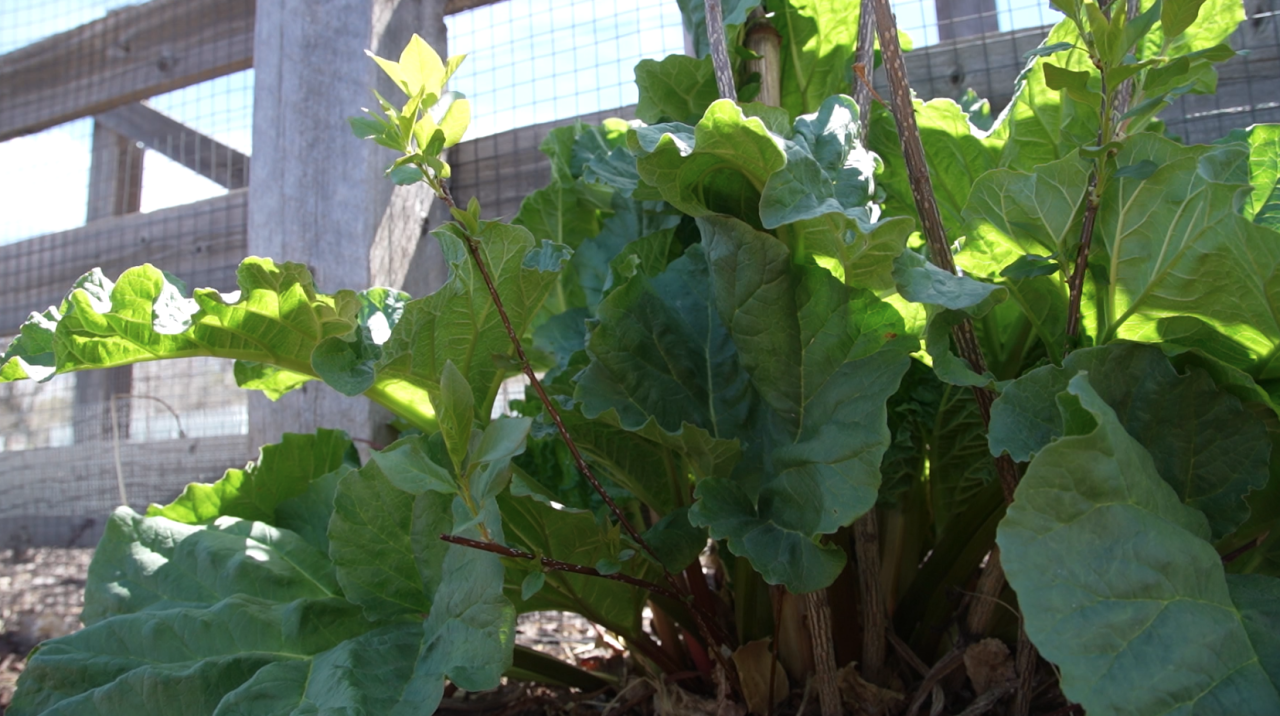
Make sure to look for climate adapted seeds for this region. Hart recommends seeking out drought tolerant climate adapted varieties from Masa Seed Foundation or High Desert Seeds.
► Watch Danielle Kreutter's report in the player below:
When it's time to water a garden, she suggests ditching your normal hose and trading in hand watering for drip irrigation.
A header hose with multiple spouts and various pieces of drip tape can be an inexpensive way to build a custom drip irrigation set-up.
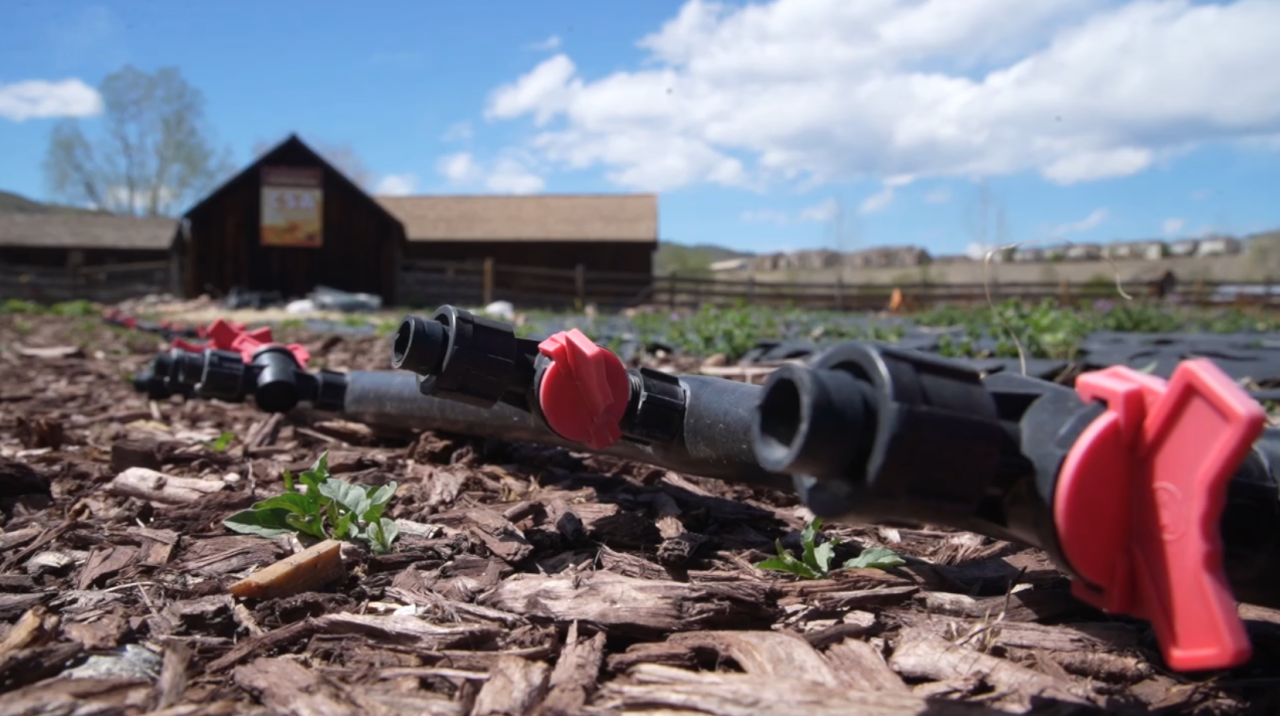
"We have these drip emitters here with easy to turn valves that go on and off. Then you just connect drip tape to these little valves and stretch it all the way down your bed. You can place those underneath plants before you even plant," said Hart.
Another option is a soaker hose that has tiny little holes throughout it.
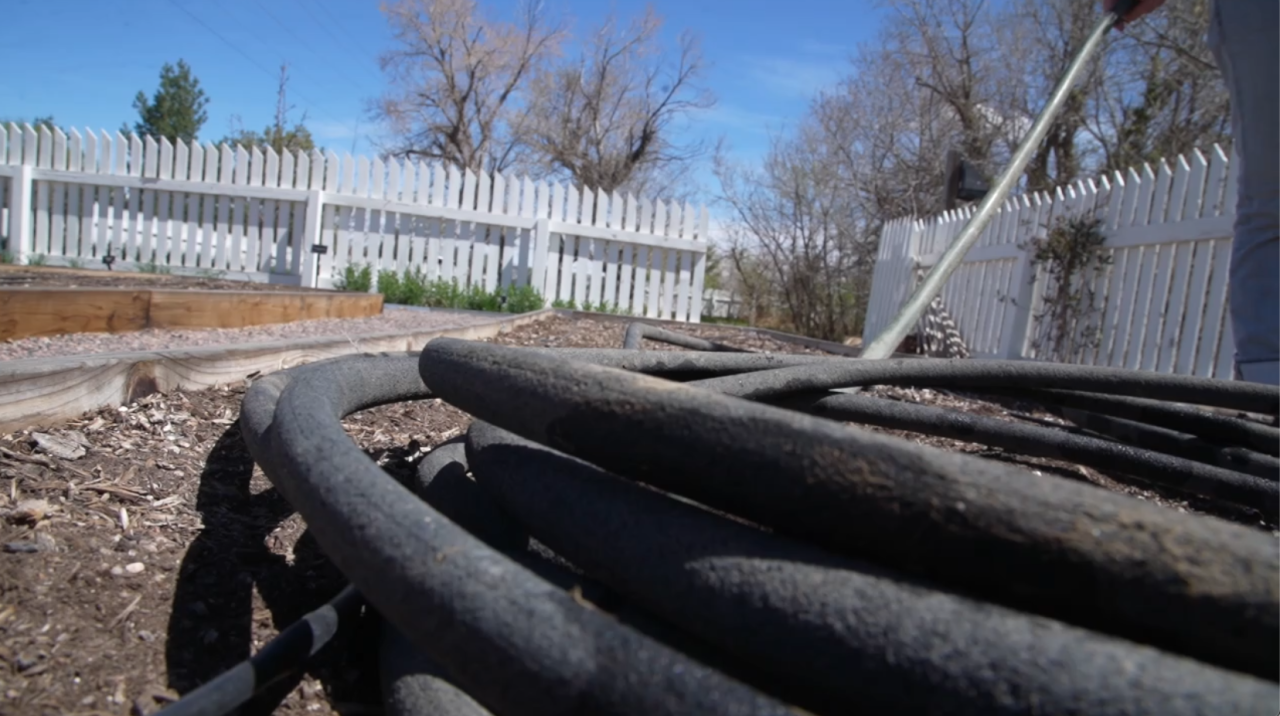
"This hooks up to a regular garden hose to your spigot in your backyard. It's flexible, so you can wrap it through your garden beds, and it drips directly onto the plant watering the plant roots, but not spraying up in the air, so you have no evaporative loss," said Hart.
Neither option requires special tools that can't be found at your local hardwood store or online. They also do not require any professional installation.
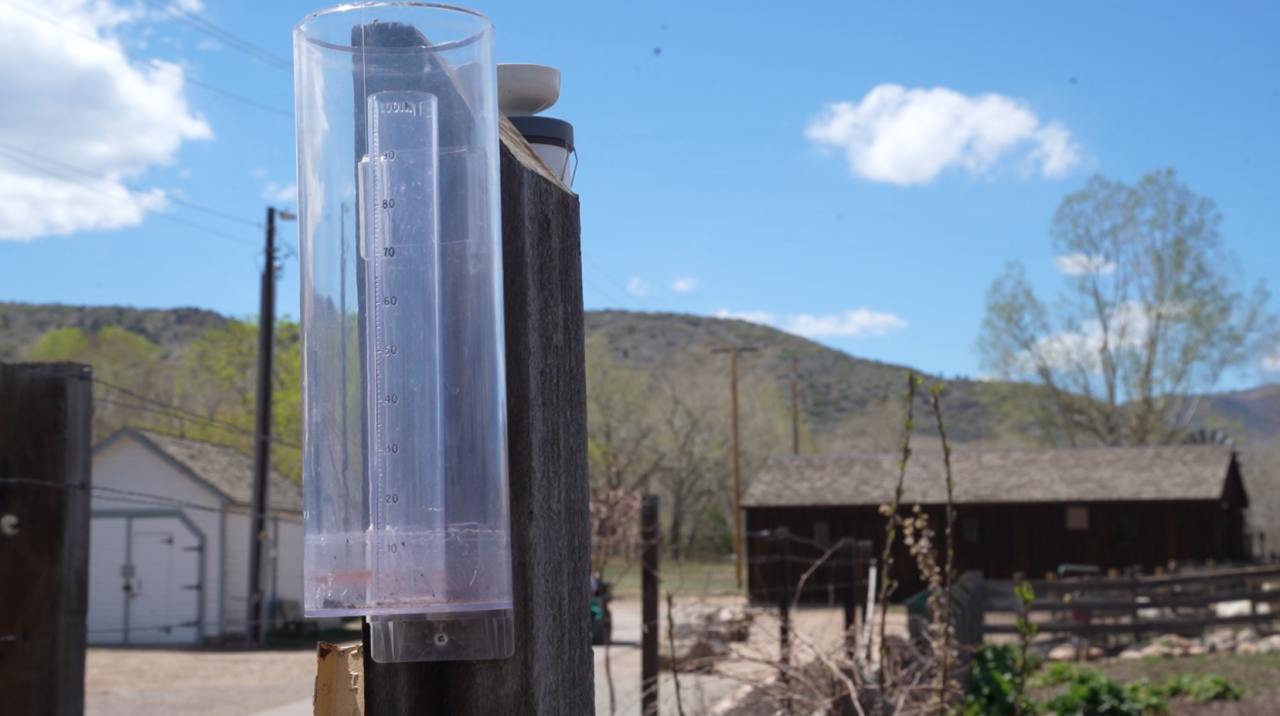
A rain gauge for the backyard is a good way to know for sure when you should skip watering.
Once plants are watered wisely, there are ways to prevent that water from evaporating in the dry and windy Colorado weather.
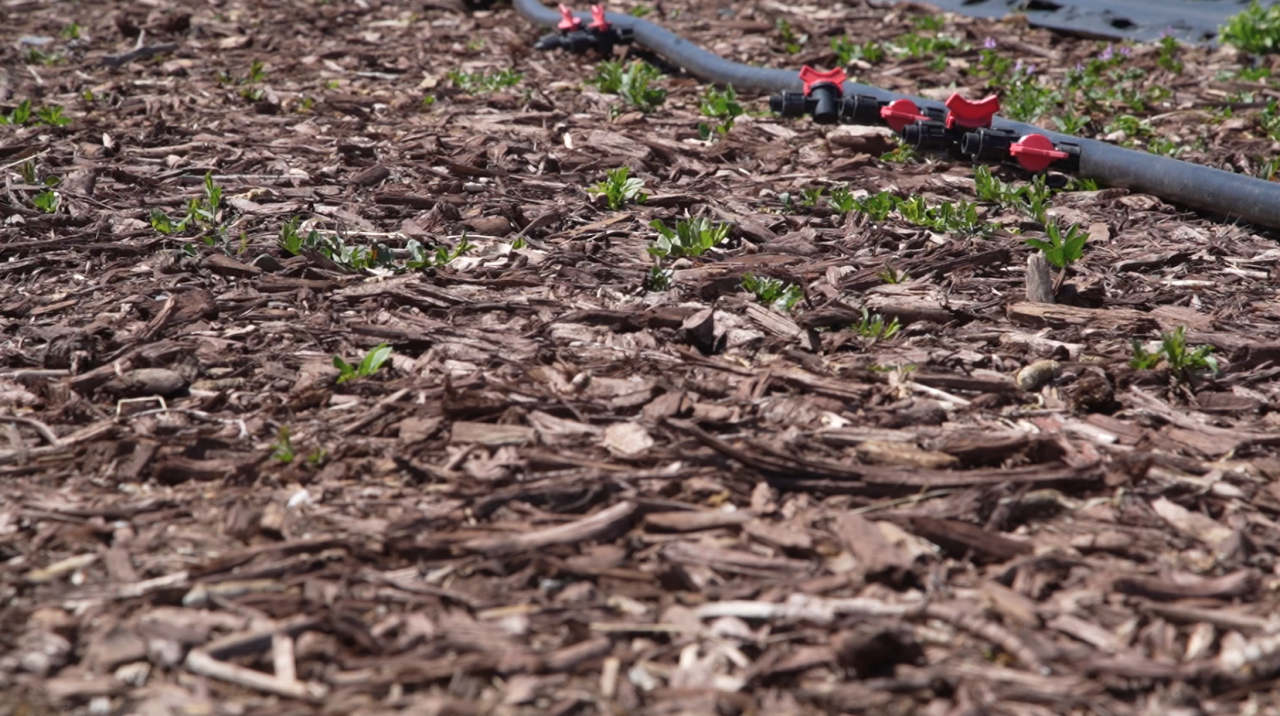
"We suggest doing deep mulching, which is basically using wood chips. And then if you have a leaf mulcher, it's basically a vacuum, you can vacuum up a bunch of leaves. It shreds and mulches the leaves while you're vacuuming it, and then you place that over your crops once you get them planted. The whole idea of deep mulching is to really protect the soil from losing water, but also it helps the plant retain the moisture around the roots," said Hart.
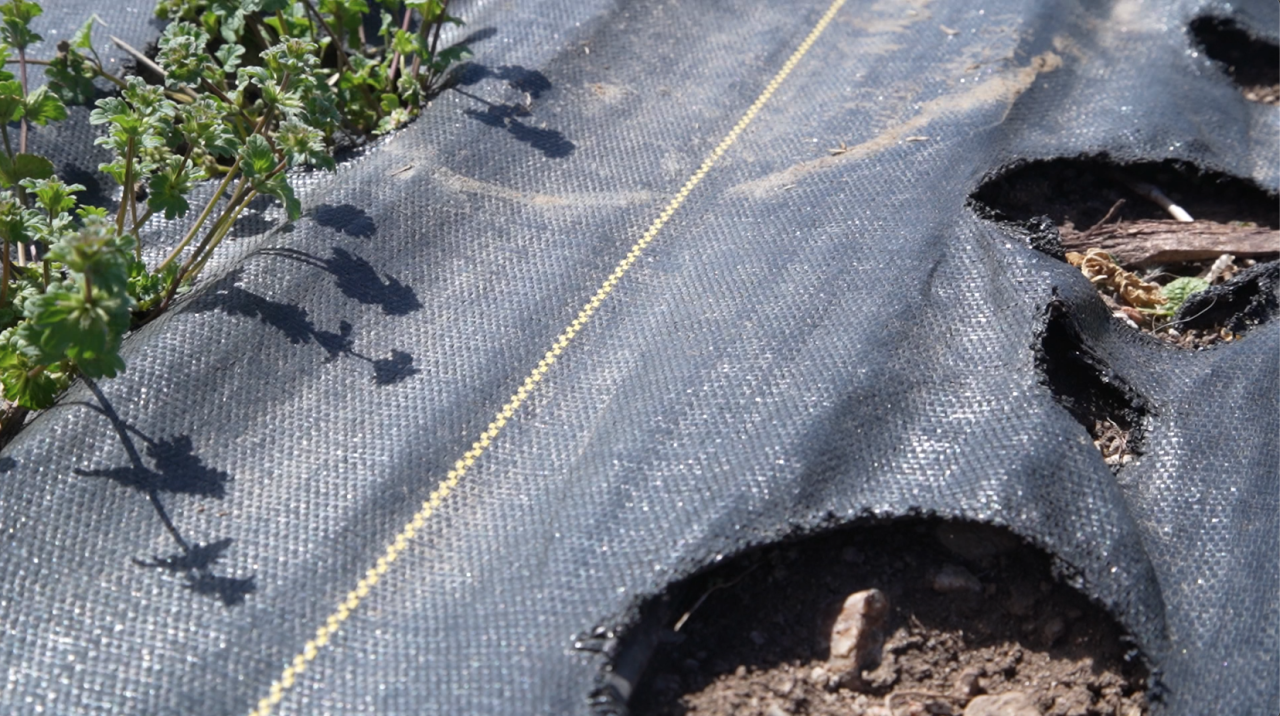
Using landscaping fabric can also create shade and prevent evaporation.
—
How are the drought and potential water restrictions affecting your daily life, your neighborhood, or your livelihood? Share your experiences, concerns, and questions with a Denver7 reporter by email newstips@denver7.com. Your story could be part of our ongoing coverage as we track the impacts across our communities.
- What concerns you most about Colorado’s low snowpack and warm, dry winter?
- What solutions or water‑saving strategies are you using — or wish your community would adopt?
- How will water restrictions or drought conditions changed your daily routine?
If you're searching for how your Colorado community is responding, or what restrictions are in place where you live, Denver7 is updating that information in this link.

