

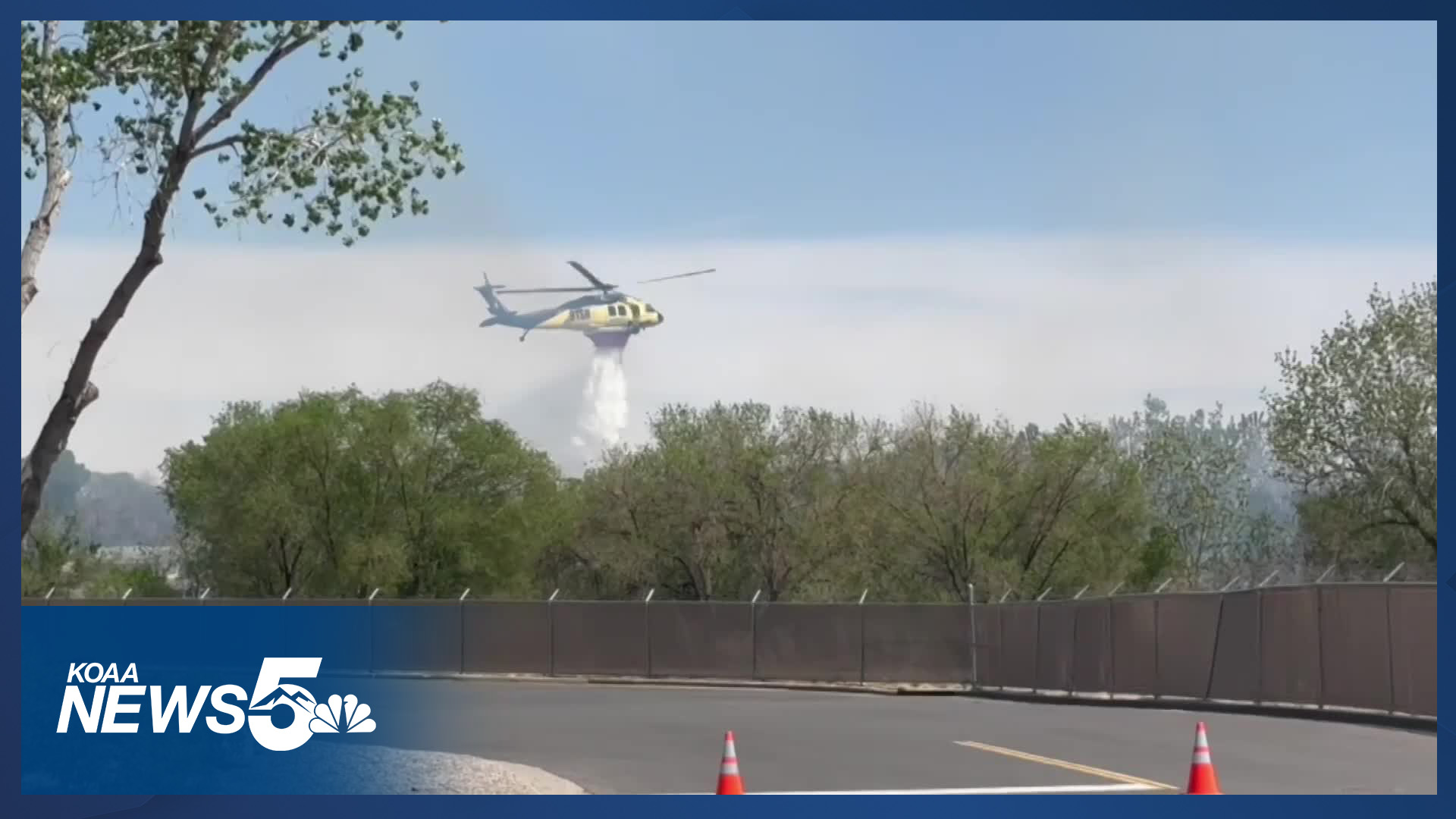


COLORADO SPRINGS, Colo. — When wildfires break out across Colorado, firefighting planes and helicopters will utilize nearby water sources to help suppress the flames.
But as all of Colorado currently faces a drought, reservoirs and other bodies of water across the state are dried out, being drained or are seeing low levels.
"While the risks have increased, our preparedness has grown exponentially," Gov. Jared Polis said at a briefing on wildfire preparedness last week.
About 60% of Colorado was in extreme or exceptional drought as of last week, according to the U.S. Drought Monitor.
In southeastern Colorado, Two Buttes Reservoir is completely dried out after years of extended drought.
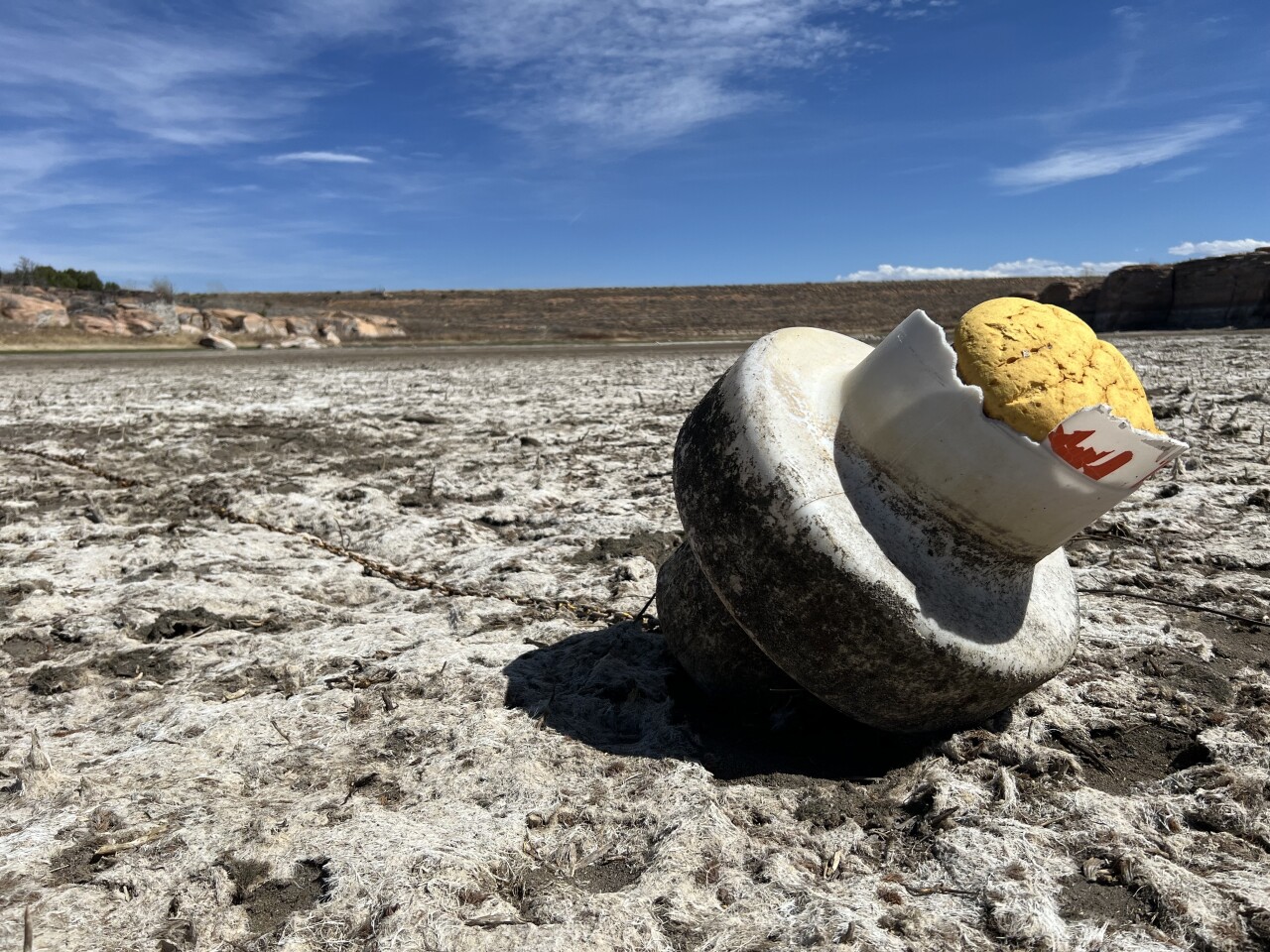
Antero Reservoir in South Park, near the town of Hartsel, will be drained by Denver Water this month to avoid evaporation loss. The water will be moved down the South Platte River to Cheesman Reservoir.
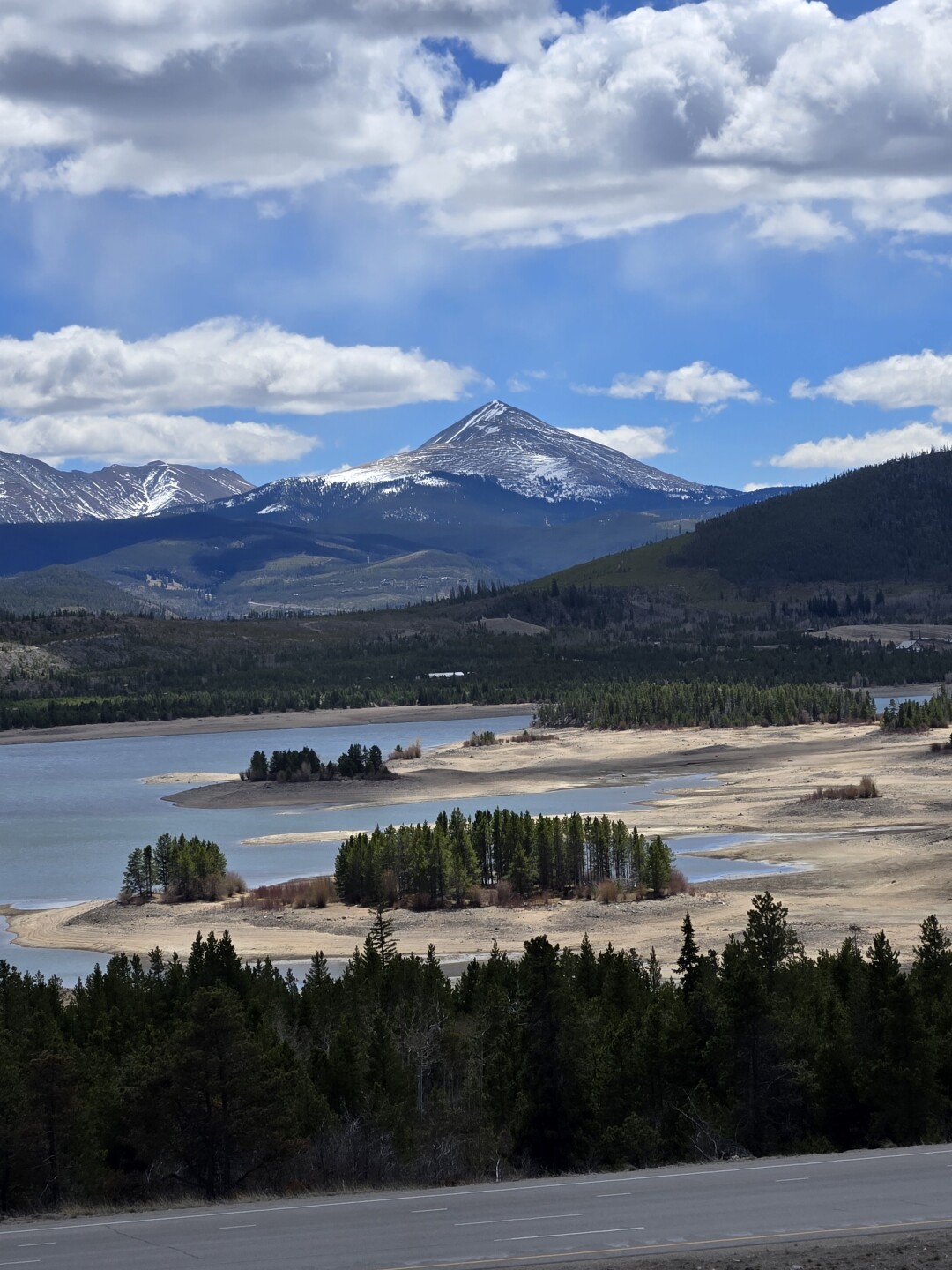
Elsewhere, water activities like boating at sites like Dillon Reservoir are being impacted due to low water levels.
Despite the difficult and challenging water conditions across Colorado, state wildfire officials area confident that suppression operations wouldn’t be impacted.
What if, for example, a large wildfire broke out near Springfield and aircraft couldn’t scoop water out of the now-dried out Two Buttes Reservoir?
Plans are in place for such circumstances, indicated Tracy LeClair, Communications and Outreach Specialist for the Colorado Division of Fire Prevention and Control (DCFP).
“If the closest water source is dry, we will locate an alternate or use tenders to fill pumpkins (portable water tanks),” LeClair said in an email. “The helicopters that use a snorkel can operate in shallow water better than those that utilize buckets.”
LeClair noted that DCFP and their federal partners with aviation assets have “agreements in place to utilize water out of pre-identified water supply locations.”
“We negotiate others on an as-needed basis,” she said.

Still, the best method to avoid any summer wildfire starts is through human prevention, state officials said at a preparedness briefing last week.
DCFP Chief Mike Morgan said 90% of wildfires are caused by "human action or inaction."
Because of that statistic, state leaders said public cooperation is essential this season, alongside the work of Colorado's roughly 12,000 firefighters.
"The reality of it is that is impacting each and every one of us, and we need you to do your part," Morgan said.
Scripps News Denver's Adria Iraheta contributed to this web story.
