

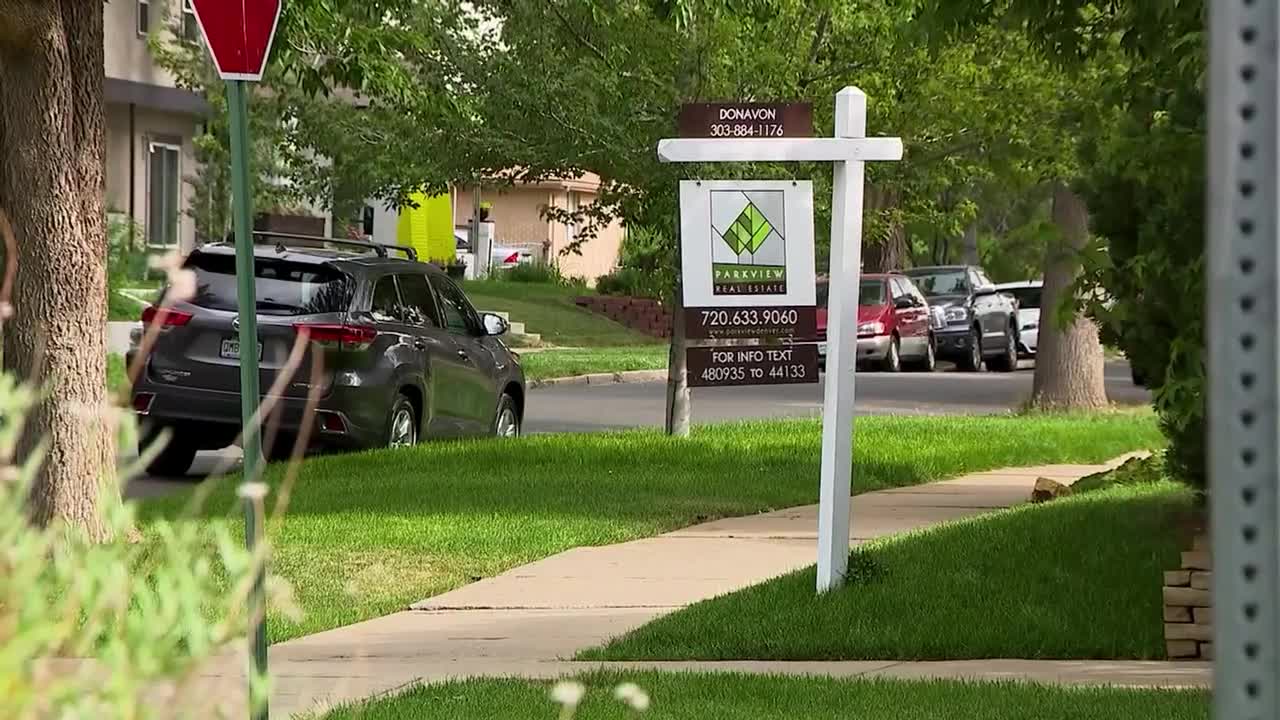


DENVER — Denver City Council is considering new regulations aimed at cracking down on what they call "predatory home investing" by targeting investors who buy properties at low prices and quickly resell them for profit.
Councilmember Shontel Lewis presented the proposal Monday, saying some homeowners, especially in vulnerable neighborhoods, are being pressured into selling their homes for far less than they are worth.
“It’s essentially a proposal to be able to protect folks in our city who are homeowners from being able to be preyed on,” Lewis said. “From folks who are coming to our communities intending to take their houses and sell them for more without making substantial improvements.”
Lewis said the proposal focuses on non-licensed residential wholesalers who purchase homes and resell them quickly without investing in repairs or upgrades. She shared examples of Denver properties that were resold within 24 hours for large profits.

“You can see these things on the market for zero days, but they’ve made profits of $24,000, $50,000,” Lewis said.
Under the proposal, residential wholesalers would be required to register with the city and obtain a license. The plan would also create a “Do Not Solicit” list that allows homeowners to opt-out of investor outreach and would prohibit repeated, deceptive or coercive contact.
Lewis said Denver currently lacks municipal regulations that allow the city to hold wholesalers accountable.
“There’s no regulation at the municipal level to be able to have any consequences for the folks who are doing this,” she said.
The proposal comes as some homeowners say they have faced persistent pressure from investors during periods of financial hardship or displacement.
Linda Jones, a homeowner at the Club Valencia condominium complex, said she has received frequent calls and emails from investors offering to buy her unit at a low price.
“I think this is overdue,” Jones said of the proposal. “I think this is an idea that everybody should like.”
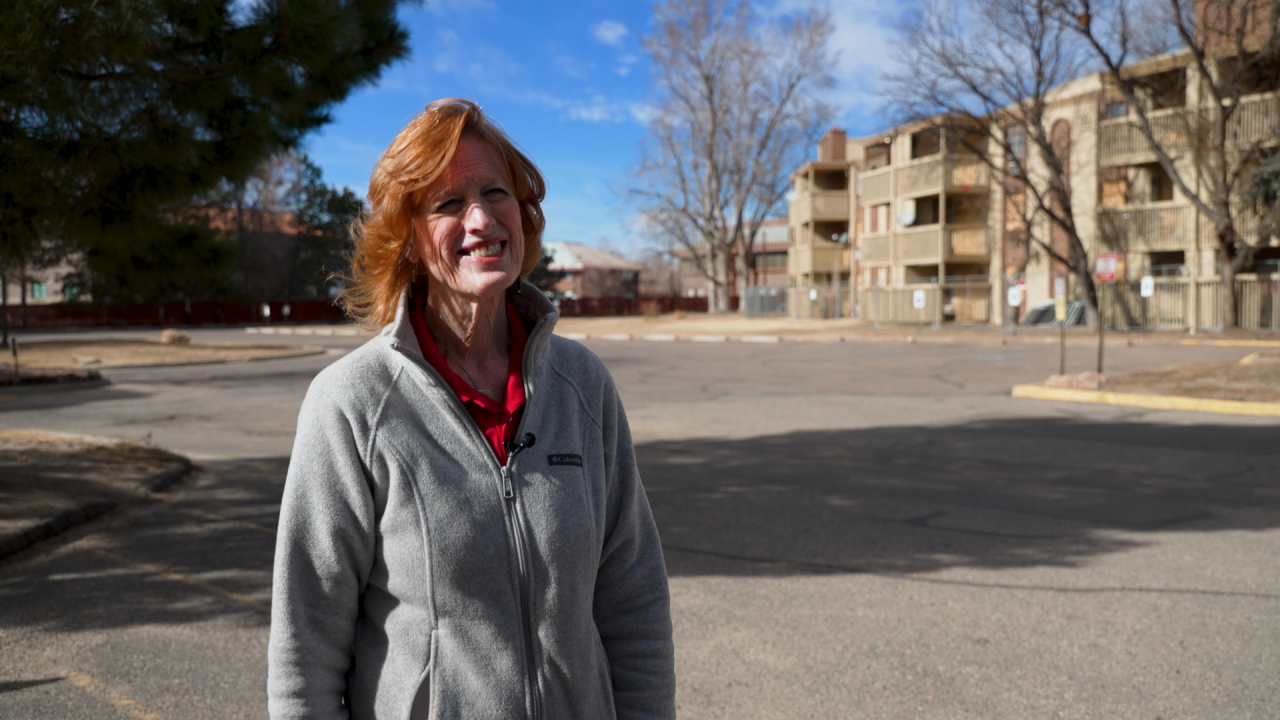
Jones was displaced after multiple fires starting in 2022 left much of the complex unlivable. While she waits for repairs and legal disputes to be resolved, she said investors have continued to contact her.
“I’ve had people call me, emailing pressure and say, ‘No, you should just accept this. You should just move on,’” Jones said.
She said some residents have accepted low offers because they lack the resources to continue paying for housing while waiting for reconstruction.
“I think they’re pressuring other people,” Jones said. “There’s other people that have sold their apartments pretty low.”
Lewis said the proposal is intended to protect homeowners’ long-term financial stability and generational wealth. The plan would not apply to licensed real estate agents, who are regulated at the state level, Lewis said. She emphasized that the proposal is still being developed and will require additional input from city agencies and industry stakeholders.
“Nothing is actually set in stone,” Lewis said. “We’re still exploring some of these things.”
Possible enforcement tools could include fines, citations, or the loss of a city license for violators, according to Lewis. She said similar regulations in cities such as Philadelphia, Baltimore, and Atlanta helped guide Denver’s approach.
City officials are expected to continue discussing the proposal with the mayor’s office, the district attorney’s office, and other departments before bringing it forward for a full council vote. You can view Lewis’s residential property wholesaling presentation below.
