



DENVER — I can hear it now, “another New Year’s resolution news story to ring in the New Year?”
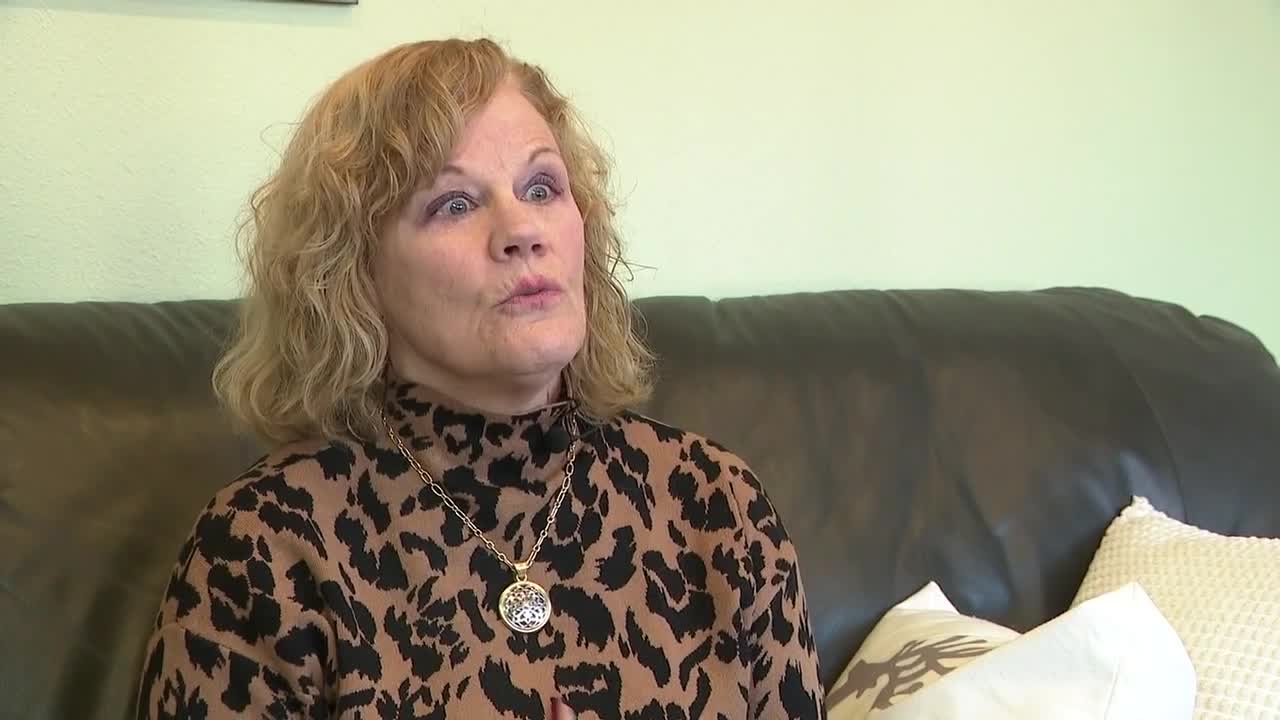
Before you roll your eyes, Denver7 talked to an Englewood clinical psychologist about how to succeed in whatever goals you have set for yourself in 2026.
National studies show 80% of people give up on their resolutions by the second week in January, and according to psychologist Elizabeth Sather, that’s primarily because our brains are stubborn and don’t like discomfort.
“Most of us don't want to be uncomfortable. The body wants to go back to what it was doing before, and so you want to push it enough so that you build new habits, but not so dramatically that your body resists it,” Sather told Denver7.
The brain has several centers involved in goal setting. There’s the frontal lobe which deals with judgment and decision-making. The basal ganglia then helps turn goals into actions. The Ventral Tegmental Area sends reward signals to pat yourself on the back and the limbic system remembers it all.
It’s a complex process. The good thing is you can hack it to help make things that are uncomfortable a little easier.
“We want to push ourselves,” Sather said. “And there are actually parts in the brain that will grow. The AMCC is the part of the brain that builds resilience. And so if we do things that make us uncomfortable, say an extra set of reps at the gym, that part of the brain will start to grow. And that part then the next day, when you want to do more and push yourself harder and harder, that resilience develops. And so your identity changes as 'I'm capable, I can do this. I can tolerate being uncomfortable.'”
Sather said, on average, it takes 66 days of doing something to turn it from an activity to a habit. The coolest part, she adds, is goal-setting can have a domino effect. What began as a few days at the gym can turn into doing a few more chores, taking on a few extra projects at work, or dealing with emotional discomfort more productively.
“It's what endurance athletes do,” Sather said. “People say, 'how could you run 100 miles?' Well, they didn't start out running 100 miles, right? They know what it feels like to push through the pain. Our brain changes and says, ‘Huh, I'm somebody who can push through pain.’ That's why people who go through a lot of adversity have a lot of resilience.”
So, here are the takeaways:
- Small and steady truly wins the race.
- Get comfortable being uncomfortable.
- Stick with it. Setbacks are normal. It’s how you constantly return to the activity, even when you don’t want to, that defines success.
- Celebrate your small achievements.
- Turn goals into a game to increase the reward system.
