



DENVER – At Cory Elementary School in Denver, students are learning lessons they can take far beyond the classroom — straight into their kitchens and communities.
As part of the school’s wellness program, students in grades one through five grow their own vegetables, care for chickens, learn to compost and then turn their harvest into full meals.
The final cooking class of the semester had them trading pencils for spatulas. On the menu: veggie tostadas, built with ingredients they planted, tended and picked themselves.

“It’s sort of fun to like make stuff and see how people react to your food and see how it tastes,” one student said.
“Feels like you’re a chef,” another added.
Leading the program is Skeeter Buck, who said the initiative is part of a five-year vision for Cory Elementary.
“Within five years, these kids will know how to plant and how to grow and how to harvest and now how to cook,” Buck said. “By the time they leave here in the fifth grade, they know how to actually be sustainable with their own food production.”
► Watch Colin Rily's report in the player below:
The lessons go beyond agricultural know-how. Students learn that even in a city setting — or in something as small as a five-gallon bucket — it’s possible to grow tomatoes, spinach, lettuce and radishes.
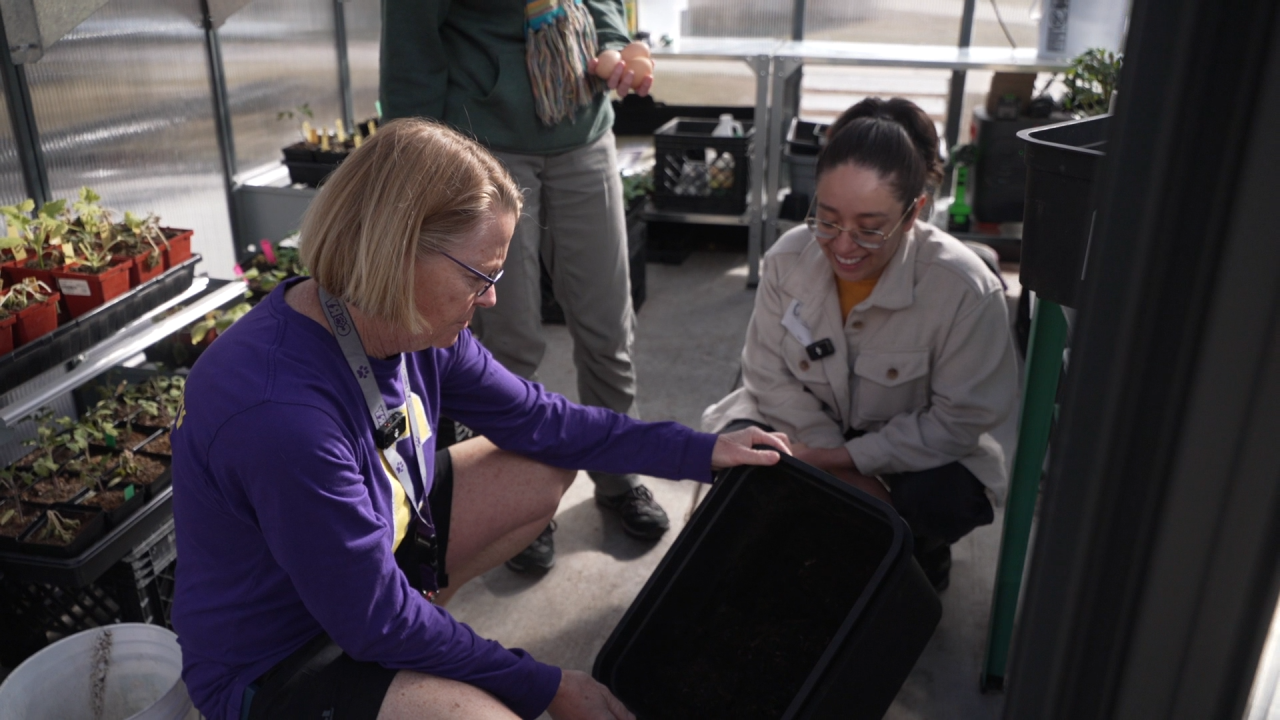
“What the kids are learning here is whether you have a five gallon Home Depot bucket with dirt in it, you can grow tomatoes and spinach and lettuce, radishes, and you can cook with that,” Buck said.
The program’s chicken coop also offers hands-on lessons in animal care — and some surprising moments.
“So many kids who live in the city have never picked up a chicken before. They’ve never clipped the chicken’s toenails or painted them or harvested an egg,” Buck said.
“They’re painting toenails?” Denver7's Colin Riley asked.
“They’re painting toenails. Pedicures for the chickens,” Buck replied with a laugh.

The work also addresses a pressing need. A 2023 Colorado Health Institute survey found that almost 22% of households earning between $70,000 and $100,000 annually reported challenges with food insecurity.
“And that is our demographic here at Cory,” Buck said.
Partnerships with organizations like Denver Urban Gardens (DUG) provide free seeds, which students start in the greenhouse. Those plants are later sold to the community, with proceeds funding both the greenhouse and the chicken program.
From composting with red wiggler worms to experimenting with new recipes, Buck said the program inspires students to try new things and empowers them to make healthier choices.
“They know how to plant and how to take care of plants, and with that, they can help to reduce food costs for their families,” Buck said.
This story was reported on-air by a journalist and has been converted to this platform with the assistance of AI. Our editorial team verifies all reporting on all platforms for fairness and accuracy.
